



Stereotypes about tech startups are changing rapidly. For years, the typical path to a new venture followed a familiar formula: go to college, gain industry experience, raise capital through a startup accelerator, and eventually achieve more success. But today, AI is rewriting that playbook.
More and more young people are entering the startup world years before they go to college. Equipped with AI-based tools, students are starting to develop real-world business skills at an age that would have been unimaginable just a few years ago.
The implications extend beyond Silicon Valley. As AI continues to reduce the technical and financial barriers associated with starting a company, regions with young populations and expanding digital economies could become fertile ground for a whole new generation of entrepreneurs.
Few regions fit this description better than Latin America.
Global changes in company building
One of the most important effects of AI is that it has transformed software creation from a highly specialized field to a much more accessible one. Today, entrepreneurs can even use AI to write code and develop faster prototypes using a fraction of the resources previously needed.
As a result, company creation is becoming less dependent on large teams or material funds.
This democratization is attracting more and more entrepreneurs, especially young ones.
Among the most notable examples in the US and India is Bob Chopra, founder of IvySchool.ai.
At just 9 years old, Chopra has become one of the youngest entrepreneurs working in the field of AI education. His company this year announced a collaboration with the Delhi Public School Network in India to expand students’ access to AI learning and demonstrate how entrepreneurship and early exposure to new technologies can create opportunities previously unavailable to younger generations.
Chopra’s story is extraordinary, but it reflects broader trends. Entrepreneurship is no longer just for adults.
Why Latin America Could Benefit Most
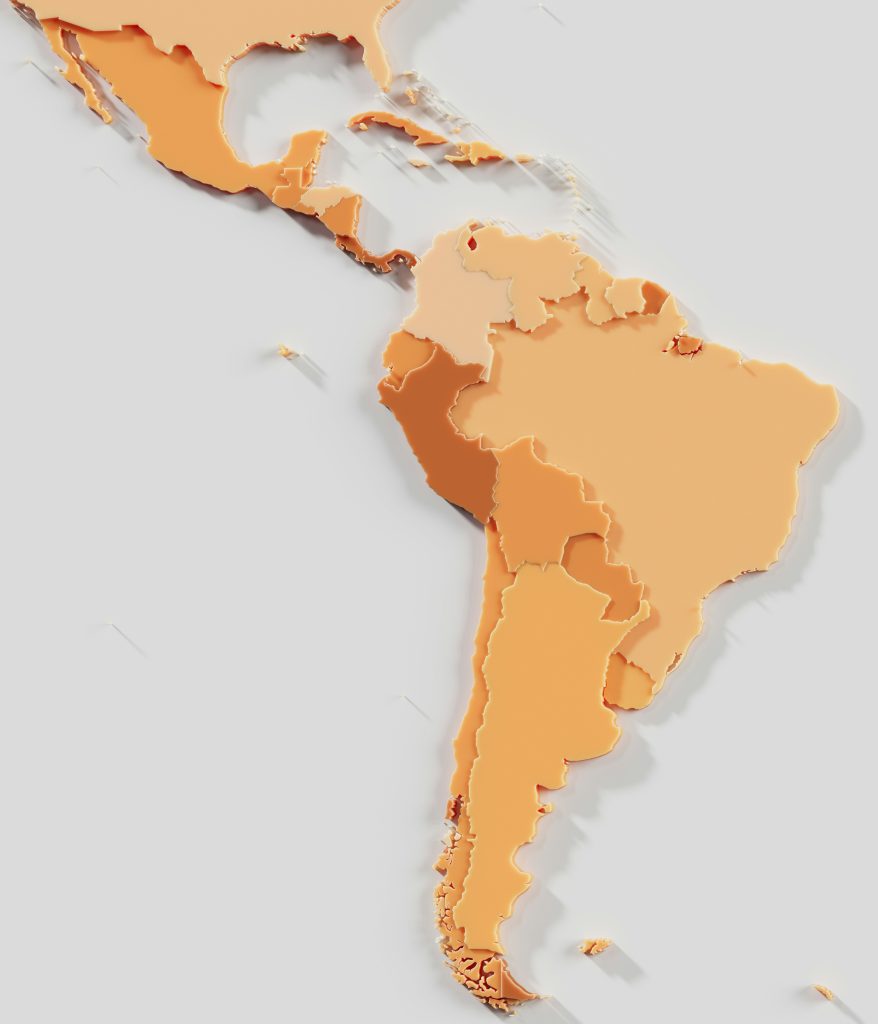
The emergence of young entrepreneurs comes at a critical moment for Latin America.
Over the past decade, the region has developed into one of the fastest-growing technology markets in the world. VC investment has expanded significantly, and innovation hubs have emerged throughout major cities such as Mexico City and Bogotá.
At the same time, the region’s greatest competitive advantage may not be infrastructure but people. Latin America is home to a large, digitally connected population of young people who have grown up in an era defined by smartphones. Unlike previous generations, they are entering adulthood with unprecedented access to technology.
Now AI is putting powerful creative tools right in your hands. Students who once consumed skills can increasingly build them. Now, any teenager with an internet connection can design an application and reach a global audience. In many cases, AI can drastically reduce the resources needed to turn an idea into a functional product.
These changes have the potential to create opportunities for talented young people, regardless of location or economic background. The challenge here is not really about technology, but rather about creating an environment that encourages experimentation and entrepreneurship from a young age. In most regions, education systems focus primarily on traditional academic achievement.
As a result, many talented young builders may never see starting a company as something they can pursue while in school. There are also practical barriers.
These challenges are not unique to Latin America, but they can slow the emergence of exceptionally young entrepreneurs.

The future is already here
Bob Chopra’s story may have begun thousands of miles away in the United States and India, but the driving forces that made his success possible now span the globe.
AI reduces the cost of innovation, expands access to knowledge, and enables individuals to achieve more with fewer resources than ever before.
For Latin America, this moment is about more than technology trends. This represents an opportunity to discover a new generation of entrepreneurs who can build companies faster, faster, and on a larger scale than previous generations.
The region’s next innovative founder may not currently be working at a startup. They may be sitting in a classroom.
Disclosure: This article references clients of Espacio portfolio companies.







