



If you’re planning to visit Southern Spain, knowing what to eat in Andalusia ensures you don’t miss out on the region’s delicious local cuisine.
In this guide, we’ll dive into the most popular Andalusian dishes to help you get a taste of traditional Andalusian cuisine. We’ll also cover some of the most famous drinks from Andalusia to accompany your meal.
So, here’s what to eat in Andalusia for a culinary journey like no other.
What Is Special About Andalusian Food
Andalusia is a unique destination in Spain. The region is home to cultural traditions like flamenco dance and bullfighting. It’s also the birthplace of tapas, the small plates that are popular at bars and restaurants not only in Andalusia, but all across Spain and the rest of the world.
There’s a lot more to Andalusian cuisine than just tapas, though. Beyond these bite-sized snacks, you can discover other Andalusian foods that draw on the region’s rich and diverse heritage.
For centuries, the south of Spain was ruled by the Moors, so this North African influence can still be tasted in the region’s cuisine.
Additionally, Andalusia spans from the rugged Sierra Nevada mountains down to the Mediterranean and Atlantic coasts. This translates into a mix of ingredients in the cuisine here, from hearty highland ham to fresh coastal seafood.
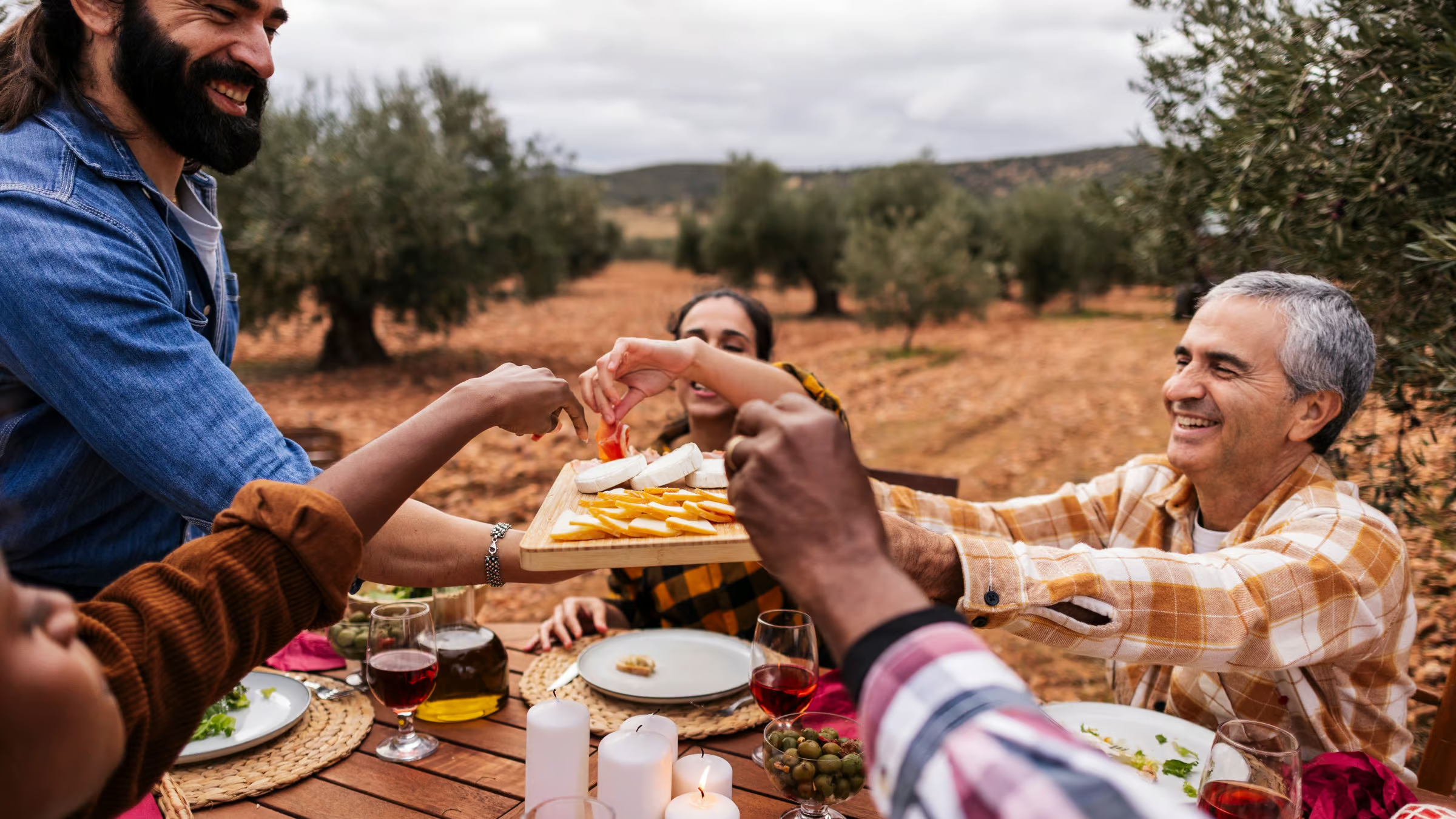
Eating is a social activity in Andalusia, especially lunch and dinner. Mealtimes are also different (and later!) than what many travelers are used to back home.
Breakfast is a simple affair, usually just a pastry, bread, or a slice of cake with a cup of coffee. Lunch is the largest meal, and it usually doesn’t happen until the late afternoon, anywhere from 2 PM to 4 PM.
Dinner starts at any time from 9 PM to 11 PM, and since it’s so late, it’s usually a somewhat smaller meal than lunch.
What To Eat in Andalusia, Spain
1. Gazpacho
There’s nothing as refreshing as a cold bowl of gazpacho on a hot day in Andalusia – and there are plenty of those. Gazpacho is one of the most iconic Andalusian dishes, and although it’s most popular in the summer, you can enjoy it year-round at many restaurants across the region.
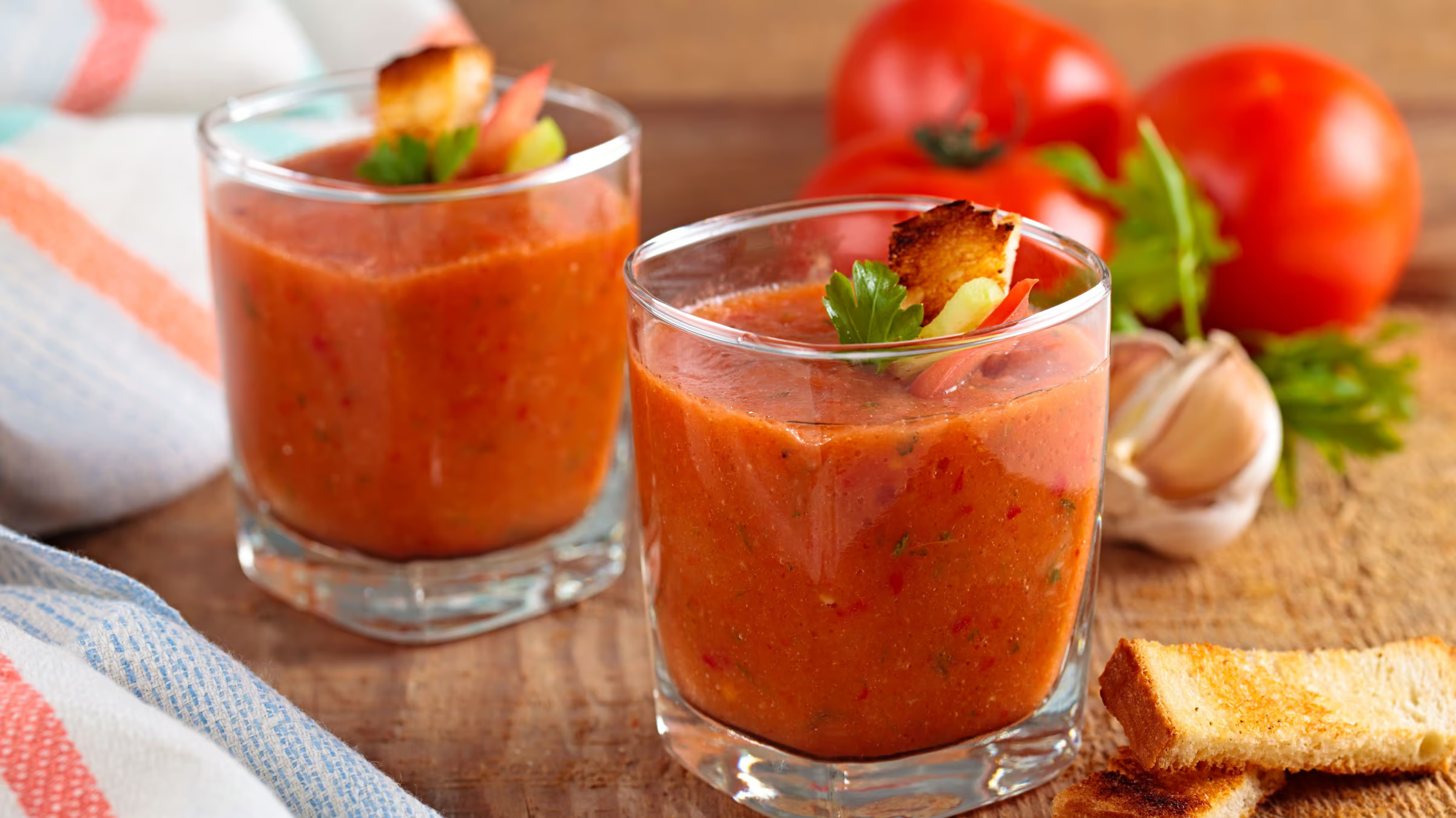
Gazpacho is a cold, smooth soup consisting of a blend of sun-ripened tomatoes, green bell peppers, cucumbers, garlic, extra virgin olive oil, and vinegar. The tomatoes give gazpacho its signature bright orange-red color, and this dish makes the most out of local produce found in Andalusia.
This cold soup is sometimes served in a glass so you can drink it, but it’s also commonly seen on menus as an appetizer served in a bowl. When served in a bowl, you might find it accompanied by garnishes like finely chopped vegetables or croutons on top.
It’s a light, healthy, and delicious starter dish, perfect for cooling off on a sunny summer day before you enjoy your main dish.

2. Salmorejo
Gazpacho isn’t the only cold, creamy soup that’s popular in Andalusia. Salmorejo is gazpacho’s thicker, creamier cousin. While gazpacho is more liquid (hence why you’ll often see it served in a glass like a drink), salmorejo is definitely more of a creamy soup.
Salmorejo hails from the Andalusian city of Córdoba, and while it shares a similar ingredient list to gazpacho, the difference in flavor and texture comes from its preparation.
This soup is made from ripened tomatoes, garlic, extra virgin olive oil, and vinegar, as well as another ingredient: day-old bread.
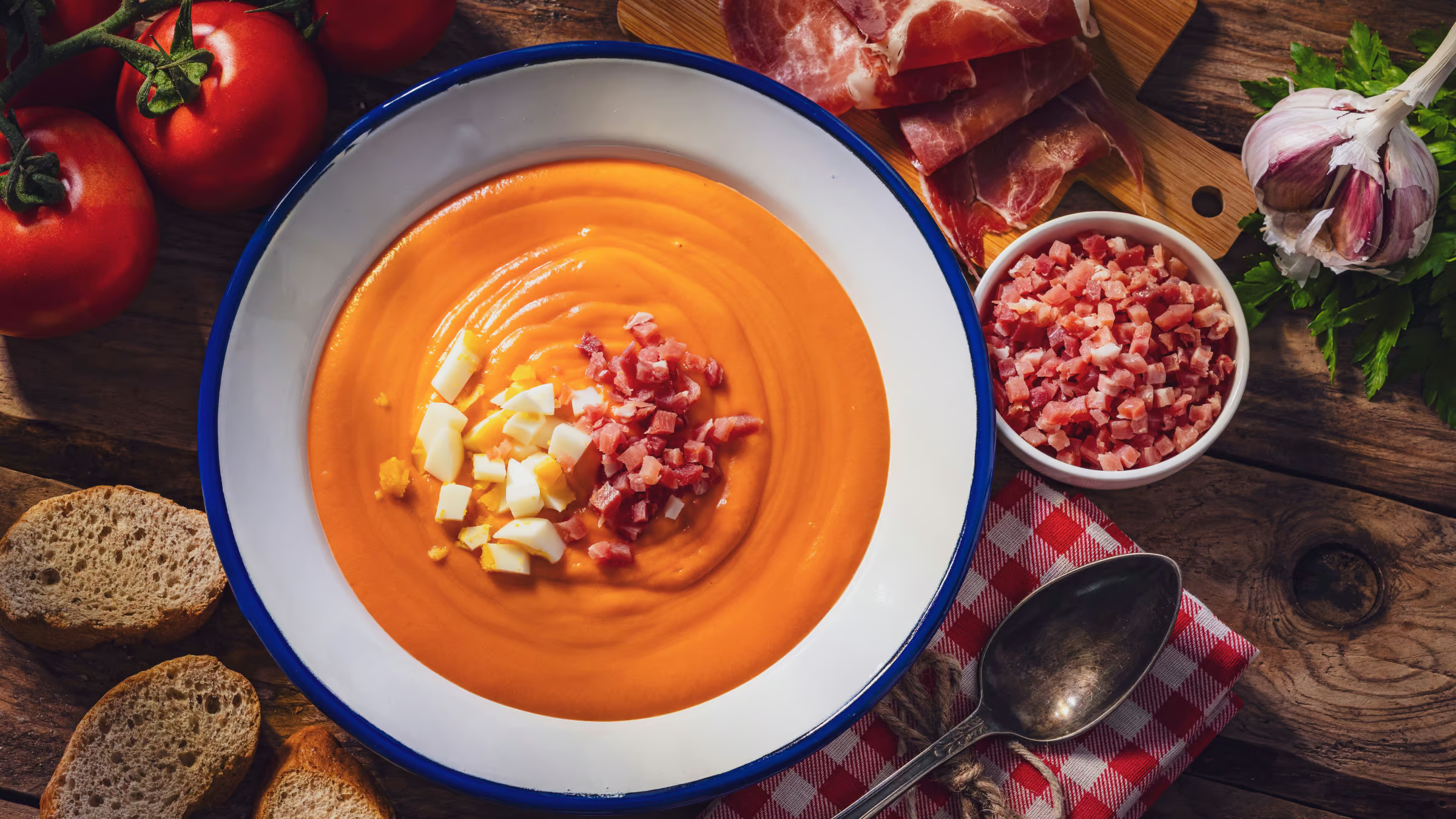
The stale bread is blended into this cold tomato soup, giving it a much thicker consistency than gazpacho, and a creamy, velvety texture. Like gazpacho, salmorejo is always served cold, making it invigorating on a hot day.
You’ll almost always see salmorejo served with a garnish of cured jamon Ibérico and finely chopped hard-boiled eggs on top, providing a nice protein-rich contrast to the creamy base. Although salmorejo originated in Córdoba, you’ll find this summertime classic on menus all around Andalusia.
3. Pescaíto Frito
Andalusia has a long, sun-drenched coastline stretching from the Atlantic Ocean on the western side of the region down along the Mediterranean Sea on the southern side. Because of this, fresh seafood is bountiful in Andalusia. One of the most popular dishes is pescaíto frito, or fried fish.
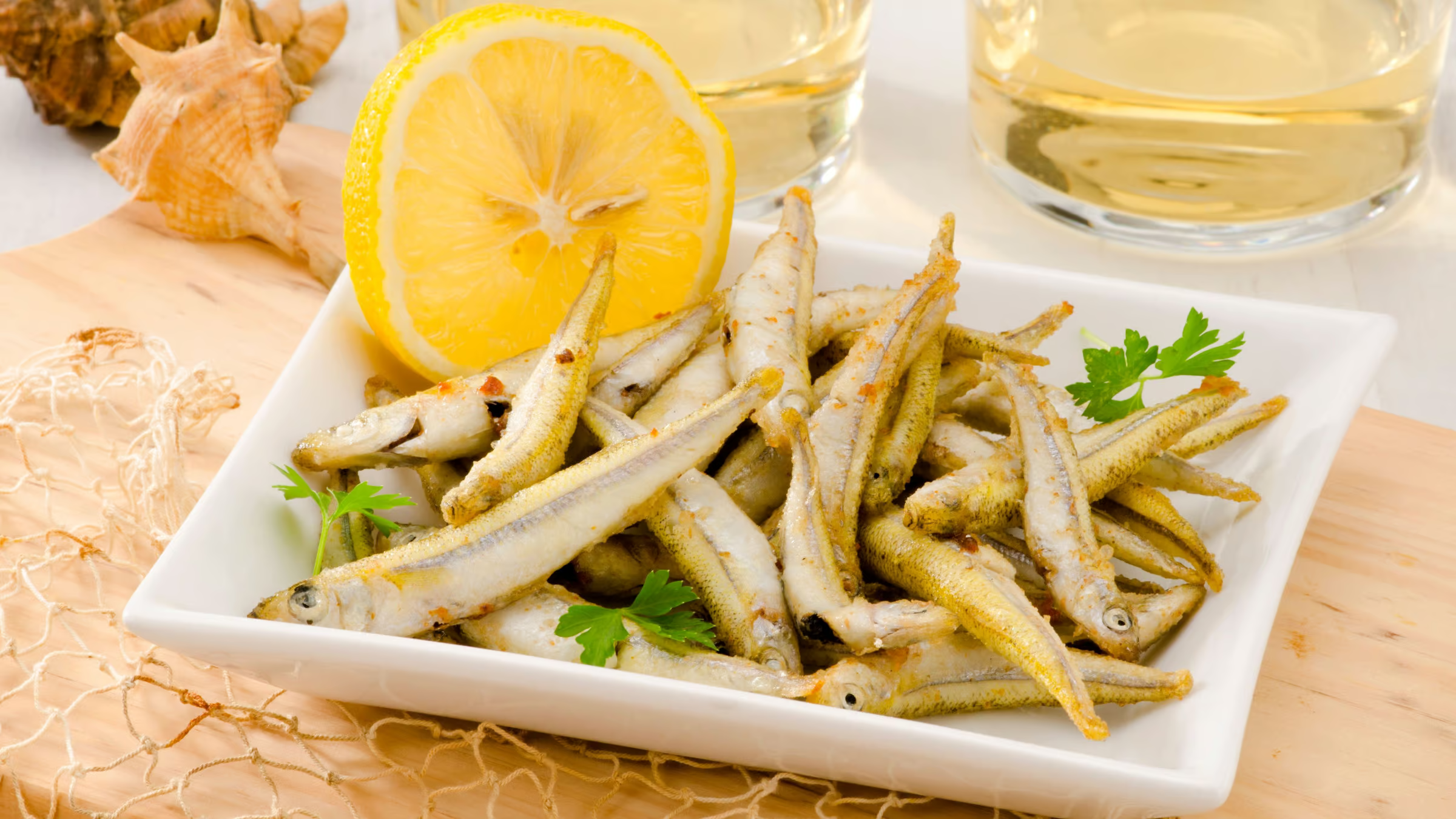
Pescaíto frito is simple yet delicious. Whether you’re strolling the streets of Cádiz or Malaga, you’re likely to smell the aroma of sizzling fried seafood anywhere you go along the coast. Pescaíto frito is a seafood medley, consisting of local catches like anchovies, baby squid, hake, and red mullet.
These fresh catches are coated in a light dusting of flour and fried to crispy, golden perfection. The outside has a satisfying crunch, while the fish inside remains tender.
While you can find pescaíto frito on the menu at upscale restaurants across the region of Andalusia, the best places to enjoy it are casual seafood shacks or beach bars in coastal destinations. It’s a no-frills, satisfying dish that is usually served plain with a simple slice of lemon for garnish.
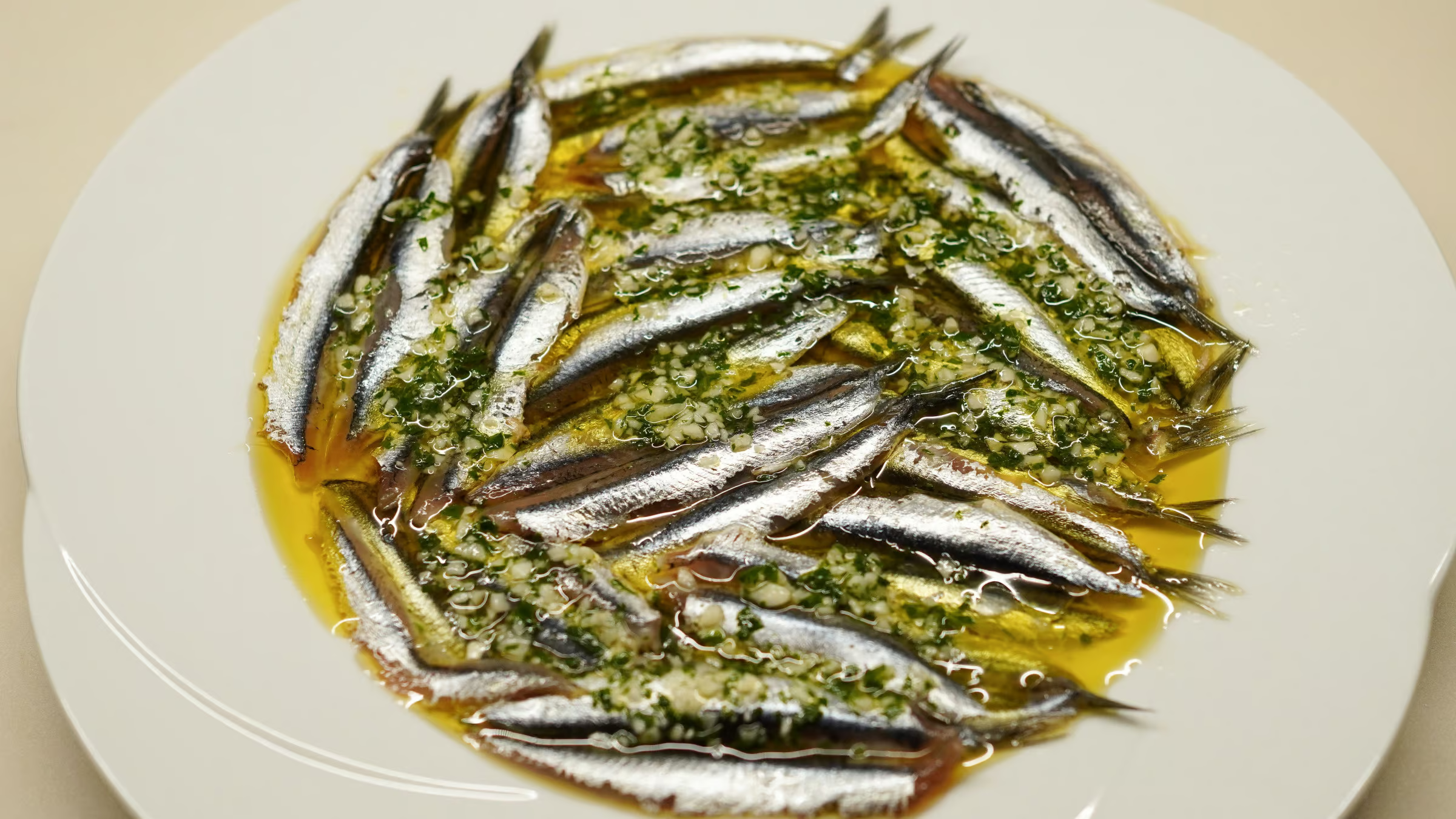
4. Boquerones en Vinagre
Another popular seafood dish in Andalusia is boquerones en vinagre, or anchovies in vinegar. This is commonly served at bars in Andalusia as tapas, a small plate meant to be shared with your companions.
If you find yourself out for tapas, especially somewhere along the coast, you should definitely order some boquerones en vinagre for the table to enjoy.
Boquerones en vinagre consists of fresh silver anchovies, a far cry from the canned anchovies many people are used to. These anchovies are marinated in vinegar, then drenched in plenty of extra virgin olive oil, minced garlic cloves, and fresh parsley, giving them a briny, tangy flavor.
Anchovies are in season in Spain in the spring and early summer, making this the best time to order boquerones en vinagre. You’ll often see this dish served with some crunchy breadsticks or potato chips, making it a tasty and filling bar snack to enjoy with a cold glass of beer or wine.
5. Jamón Ibérico
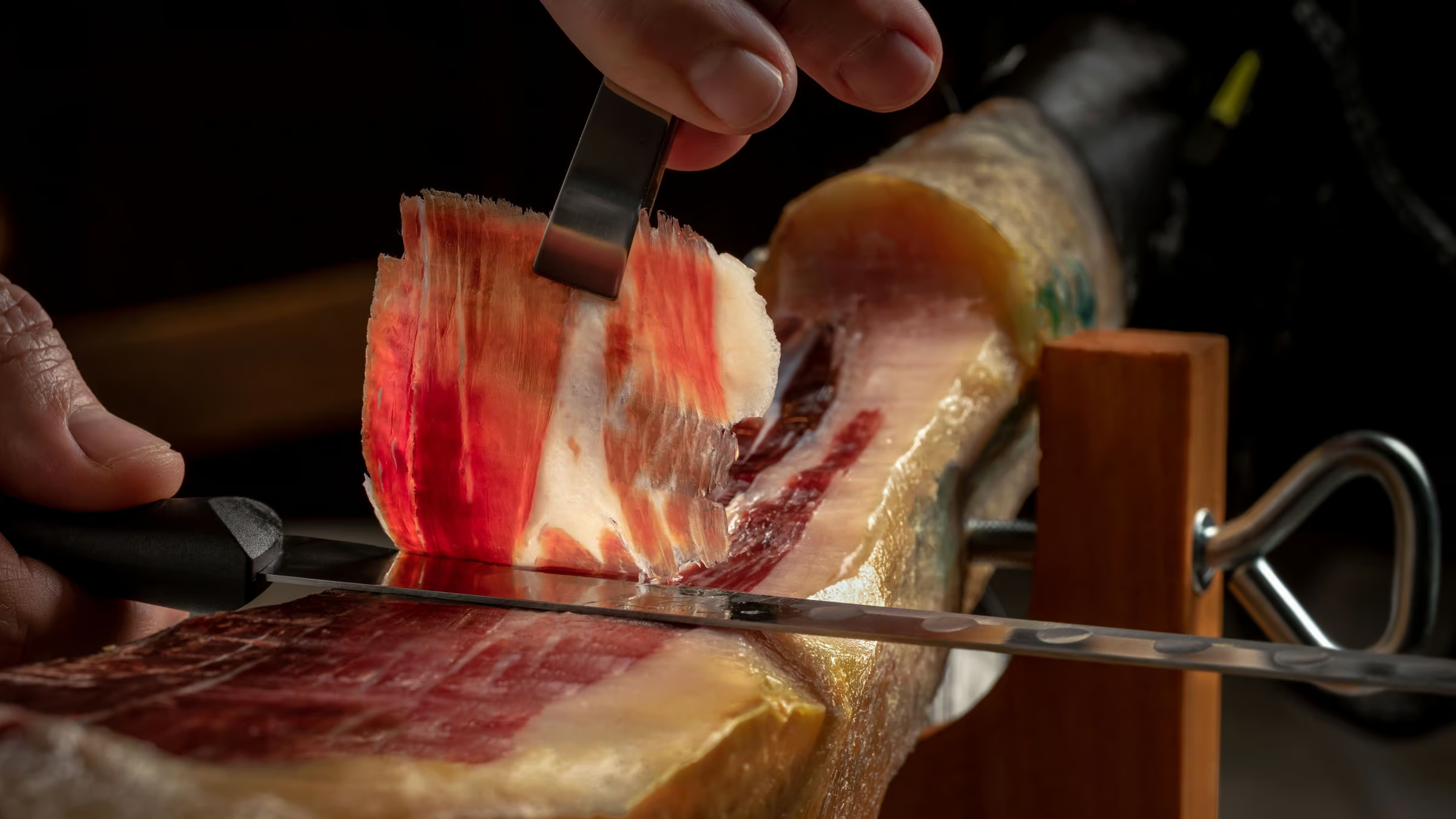
Jamón Ibérico, or Iberian ham, is one of the most iconic foods from Andalusia, and one of the most prized types of ham in the world. This cured ham comes from Black Iberian pigs, which are native to the Iberian Peninsula and can be found in Southern Spain and Portugal.
In Spain, these pigs are most commonly found in the rolling hills of Huelva and Córdoba, where they roam free, eating acorns and chestnuts. This diet contributes to the unique, nutty flavor of the ham. The curing process for jamón Ibérico is also unique and can take several years.
You can get jamón Ibérico at local markets, butcher shops, and restaurants in Andalusia. It will likely be sliced right in front of you by a carver using a long knife to shave off thin slices.
Jamón Ibérico should always be thinly sliced and savored at room temperature, when the fat begins to melt. Many Andalusians maintain that the only way to truly enjoy jamón Ibérico is to eat it plain.
6. Rabo de Toro
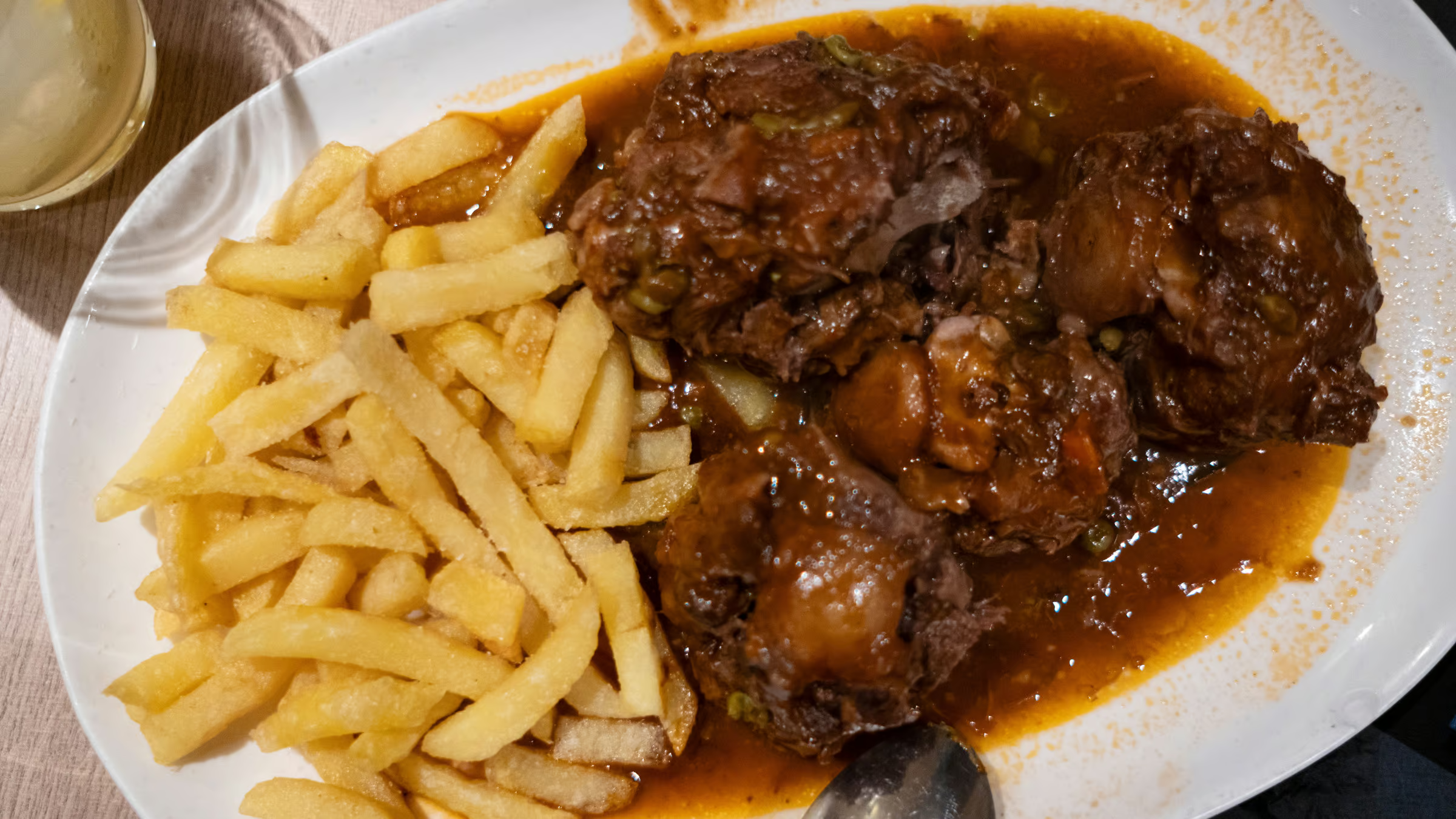
Rabo de toro, or oxtail, is a distinctly Andalusian dish. This is the region’s ultimate comfort food, and it has its roots in the ancient tradition of bullfighting.
Dating all the way back to the Roman era, bullfighting has been a major fixture in Andalusian culture. During the medieval period, it became a tradition for bulls killed in bullfights to be distributed to the local community for food.
The bull’s tail was a prized cut of meat and became the dish now famously known as rabo de toro. The oxtail is braised for several hours in a reduction of red wine, onions, carrots, garlic, and spices like cloves and peppercorns. By the time it’s served, the meat is extremely tender and falling off the bone.
This rich, savory dish is present on menus across Andalusia, and it’s usually served with a hearty side like mashed potatoes or French fries. If you’re wondering what to eat in Andalusia for something filling and comforting, you shouldn’t miss trying this Andalusian delicacy.
7. Tortillitas de Camarones
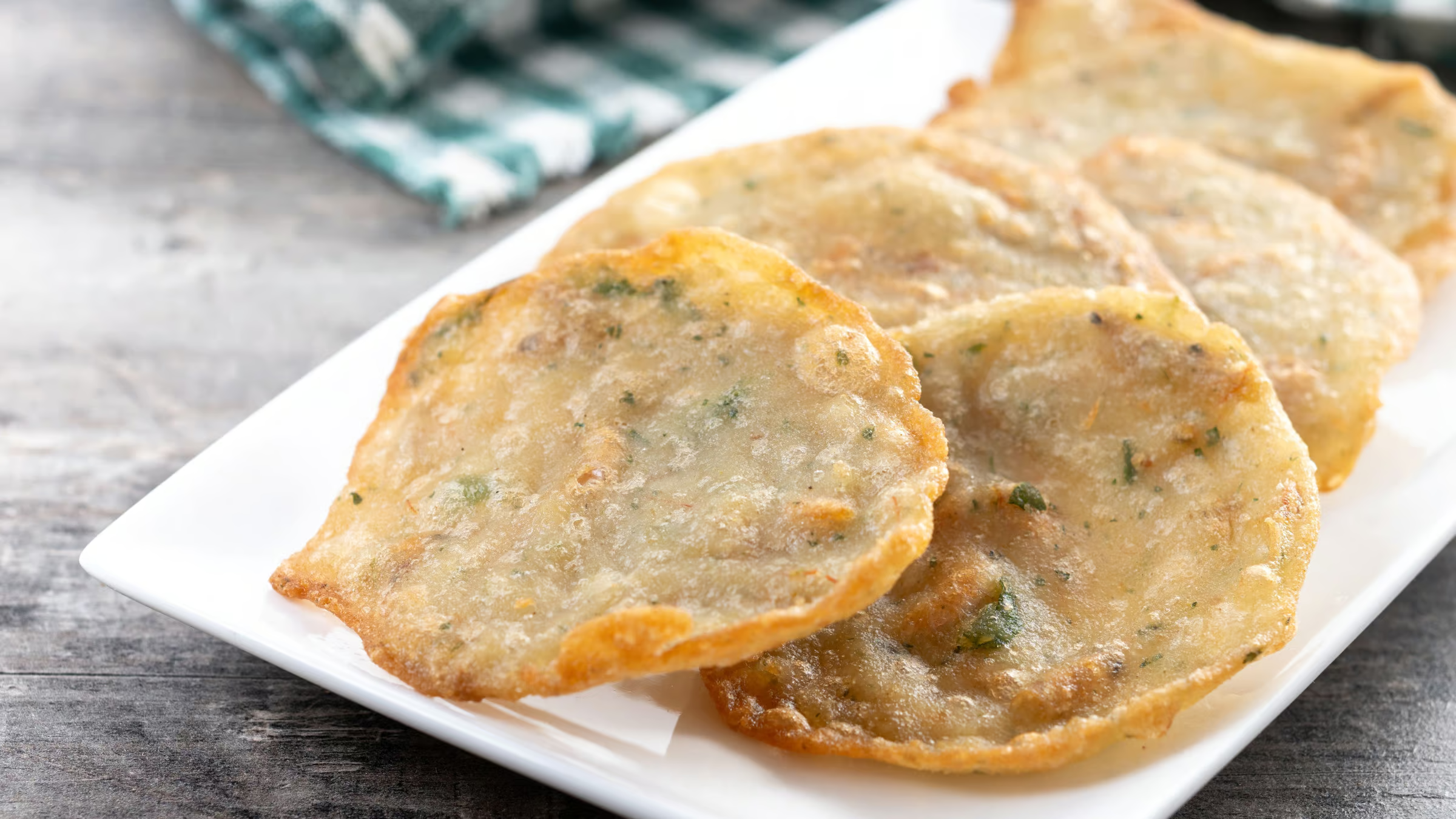
Tortillitas de camarones, or shrimp fritters, are a tasty snack from the coastal city of Cádiz. These ultra-thin, ultra-crispy fried shrimp pancakes are the ultimate summer snack, perfect to enjoy while on the beach or sitting at a seaside bar with views of the sea.
This dish is made with a batter consisting of chickpea flour, wheat flour, scallions, parsley, and water, along with whole baby shrimp. The batter is then fried in hot olive oil and spreads out into a flat pancake shape that some people liken to edible coral.
The result is a crispy, delicious fritter best enjoyed while hot and fresh. This is a popular tapas dish served at bars along the coast, particularly in the port city of Cádiz. It’s perfect to accompany a glass of tinto de verano or another drink at the bar while you relax by the sea.
8. Flamenquín
Flamenquín is a dish that is most commonly found in the city of Córdoba. The name of the dish translates to Little Flemish and may come from the golden-brown color of the dish, which resembles the fair hair of the Flemish.
Whatever the precise origin of the name, it’s an extremely popular dish in Córdoba. If you love meat, you have to try this one.
It consists of slices of pork loin wrapped around strips of salty jamón Serrano, and then breaded and deep-fried until golden and crispy. These cylindrical rolls are crunchy on the outside, but surprisingly tender and juicy on the inside. Sometimes cheese is added to the roll-up, too.
Flamenquínes are usually served with a salad and French fries. This is a tasty bar snack that is commonly ordered as tapas and shared amongst friends, along with other small plates.
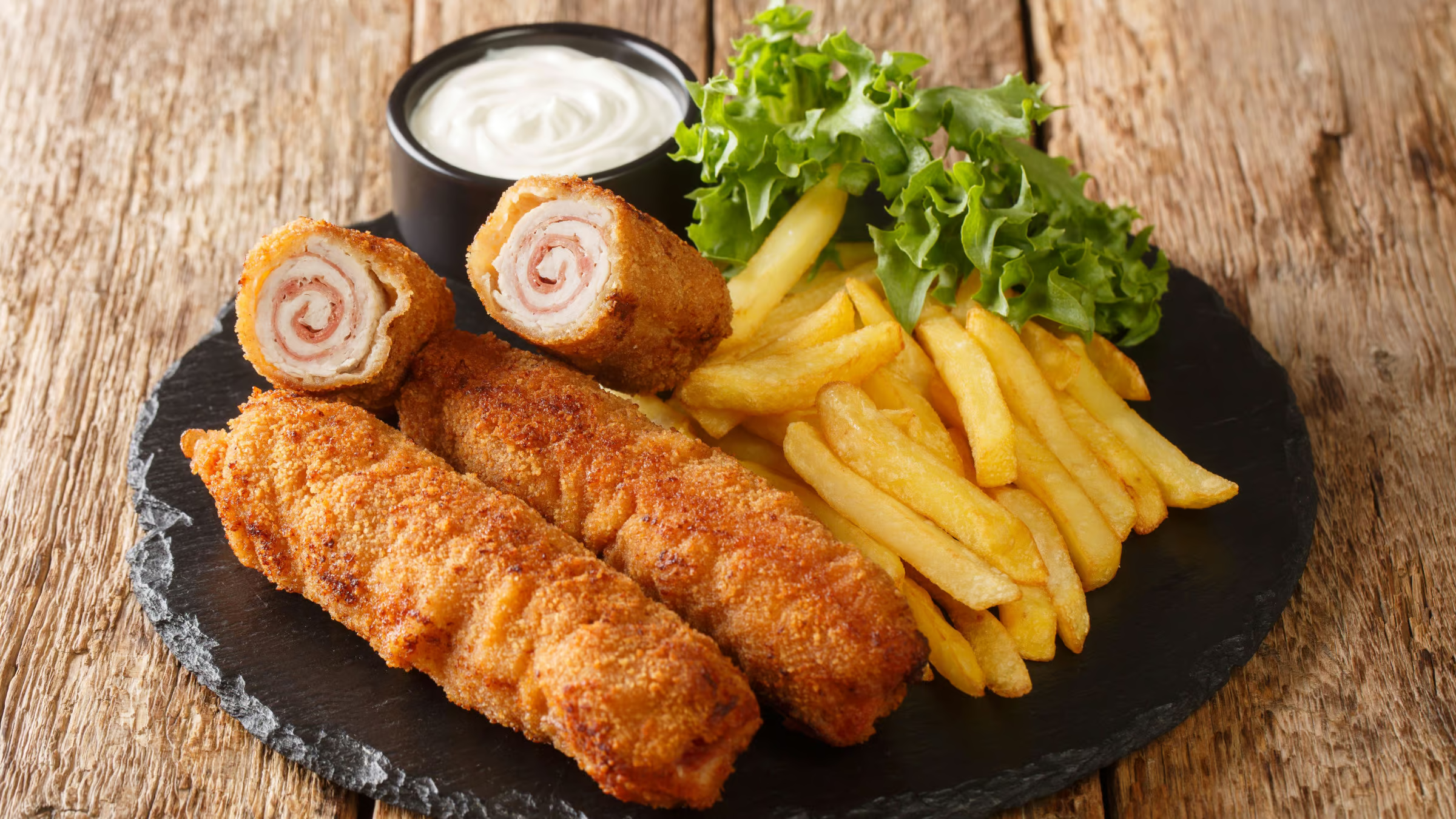
9. Espinacas con Garbanzos
Vegetarians wondering what to eat in Andalusia will be delighted to know there are a few vegetarian-friendly tapas in Andalusia. Among them, espinacas con garbanzos, or spinach with chickpeas, is definitely a small dish that stands out.
This is a simple yet tasty dish that captures the North African influence on Andalusian cuisine, and it’s especially popular in Seville.
Espinacas con garbanzos is a warm, nourishing stew. Cooked chickpeas are tossed with spinach and a paste made from fried bread, garlic, cumin, and paprika. This spice blend gives the dish an earthy, aromatic warmth. The stew is usually served with slices of bread on the side, perfect for dipping.
While you can order this dish year-round, it’s particularly popular during the cooler winter months in Andalusia, in contrast to the chilled soups like gazpacho and salmorejo that are more commonly consumed in the hot summer months.
If you’re looking for something that is both healthy and hearty, espinacas con garbanzos is the perfect thing to order.
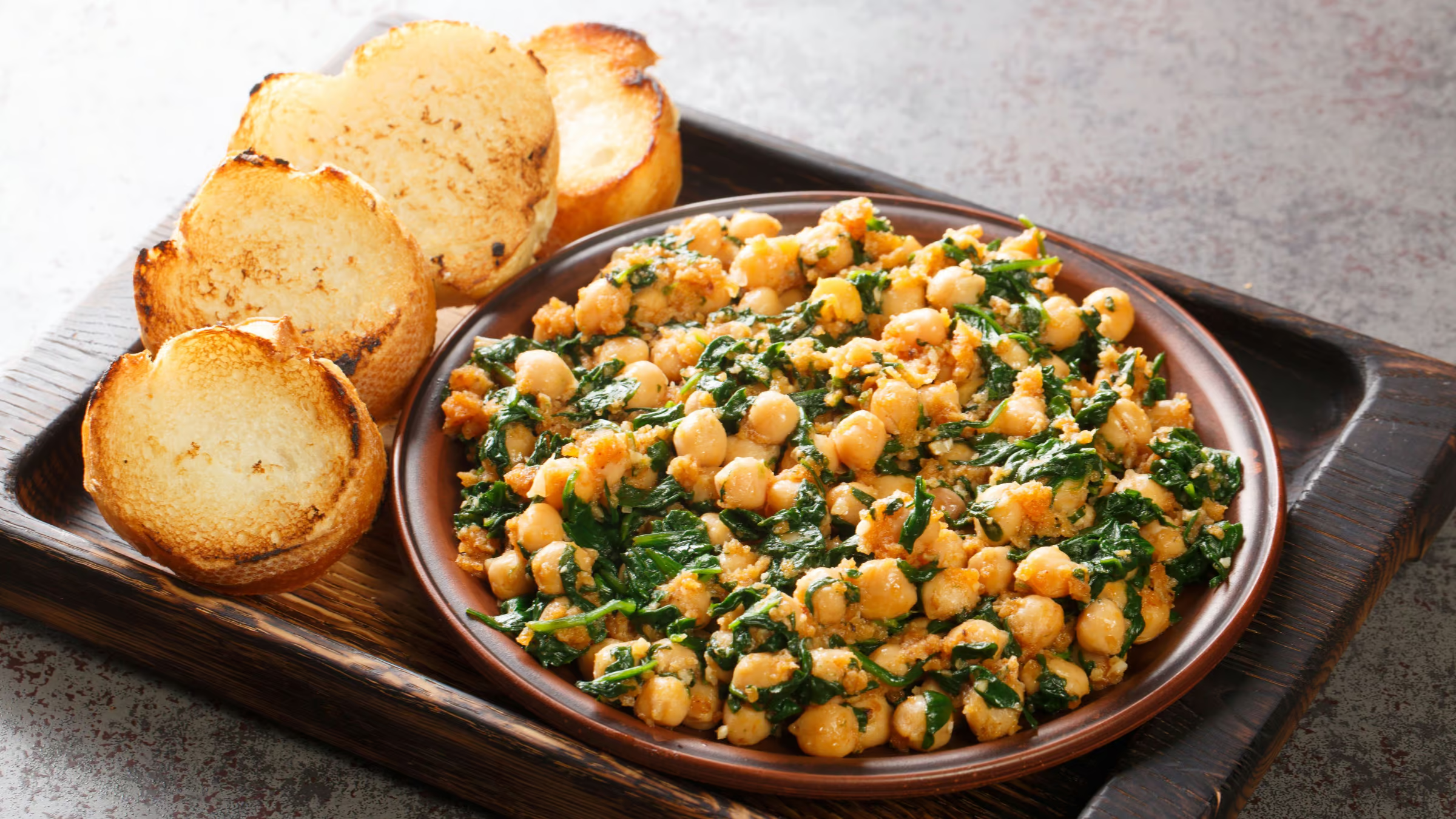
10. Pringá
Pringá is a staple of Andalusian home cooking, as well as something you can order for a casual meal or as tapas at a bar.
This is a sandwich consisting of various meats, including roast beef or pork, and cured sausages such as chorizo, along with fat from the beef or pork. These ingredients are slow-cooked for hours and mashed up into a rich, savory spread.
This is then piled onto a plain, crusty bread roll, sometimes toasted. The juices from the meat soak into the bread, ensuring that each bite is packed with plenty of flavor.
Although it’s not the most impressive dish on this list of what to eat in Andalusia, it’s simple and delicious, and popular with locals.
In Andalusian homes, many people will use leftovers from meat stew or other dishes to create the filling for their sandwich. Sometimes they won’t make it into a sandwich at all, but simply use the bread to scoop up bites of meat.
If you see this on the menu at a restaurant or bar, though, you can safely assume that it will come in sandwich form.
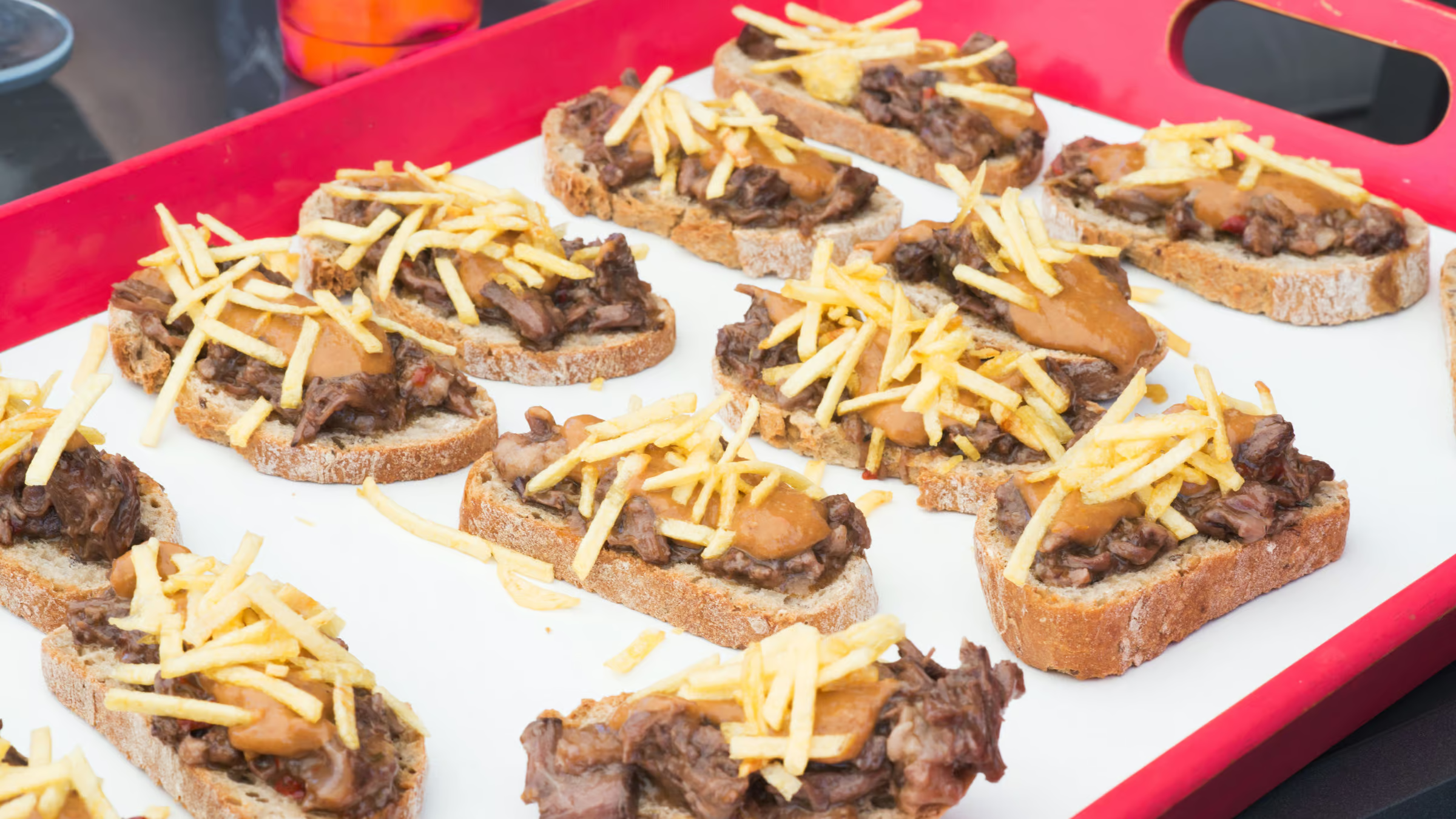
11. Mollete con Manteca Colorá
Unlike British food, breakfast is not the most important meal of the day in Andalusia. You won’t find any fry-ups or heaping plates of eggs, bacon, and pancakes here. Instead, breakfast is usually the smallest meal of the day, typically consisting of a cup of coffee and a light bite to eat.
This could be a pastry, bread, or a slice of cake. Mollete con manteca colorá is a popular choice in Southern Spain. It’s an oval-shaped bread roll filled with a unique spread called manteca colorá, which consists of chilled lard flavored with paprika, garlic, vinegar, and minced pork.
The spread has a bright orange-red color from the paprika, and a smoky, savory flavor. The combination of a toasted bread roll and this rich spread creates a comforting breakfast that has long been a popular choice among locals, served with a cup of café con leche (coffee with milk).
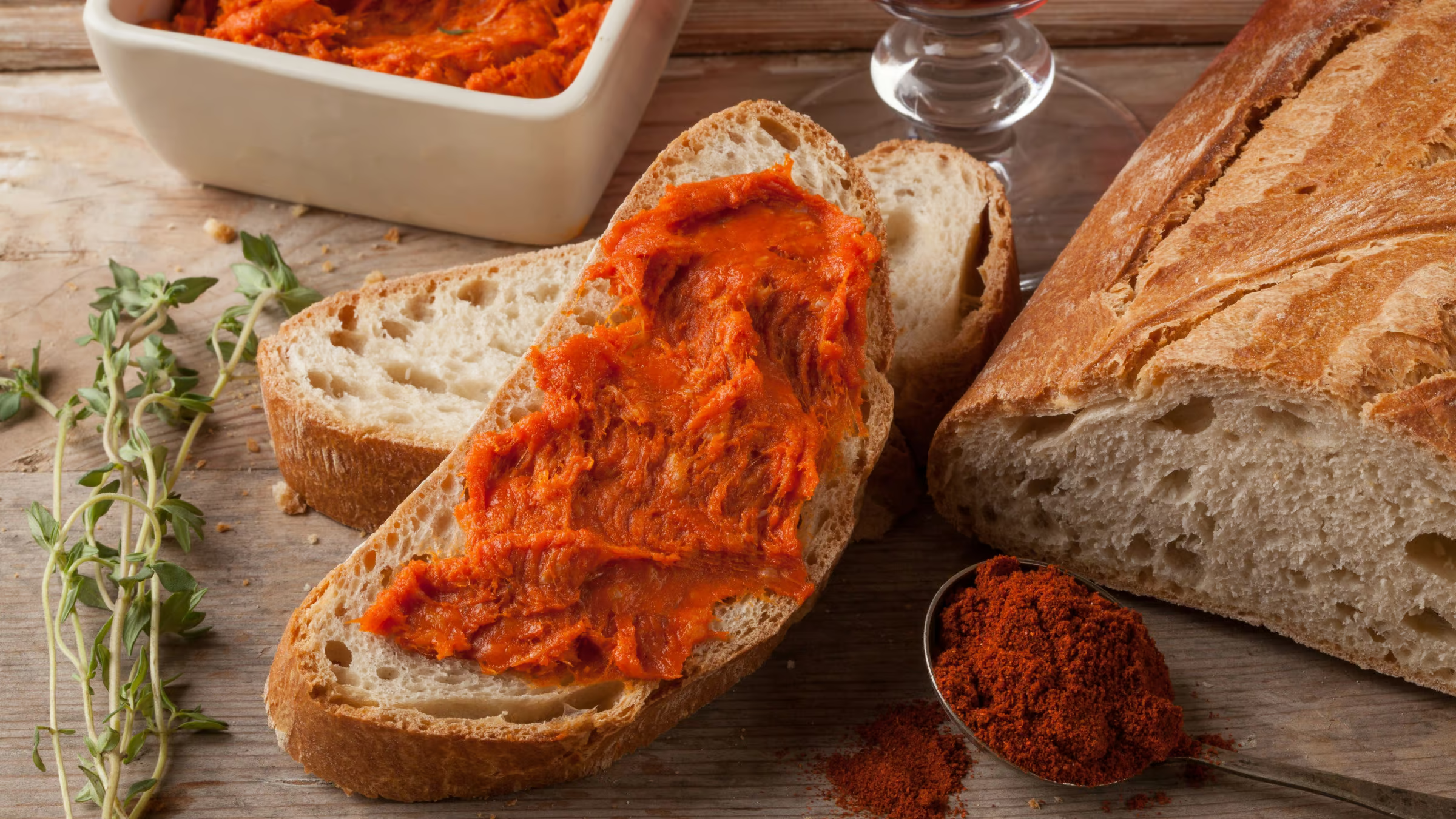
12. Churros con Chocolate
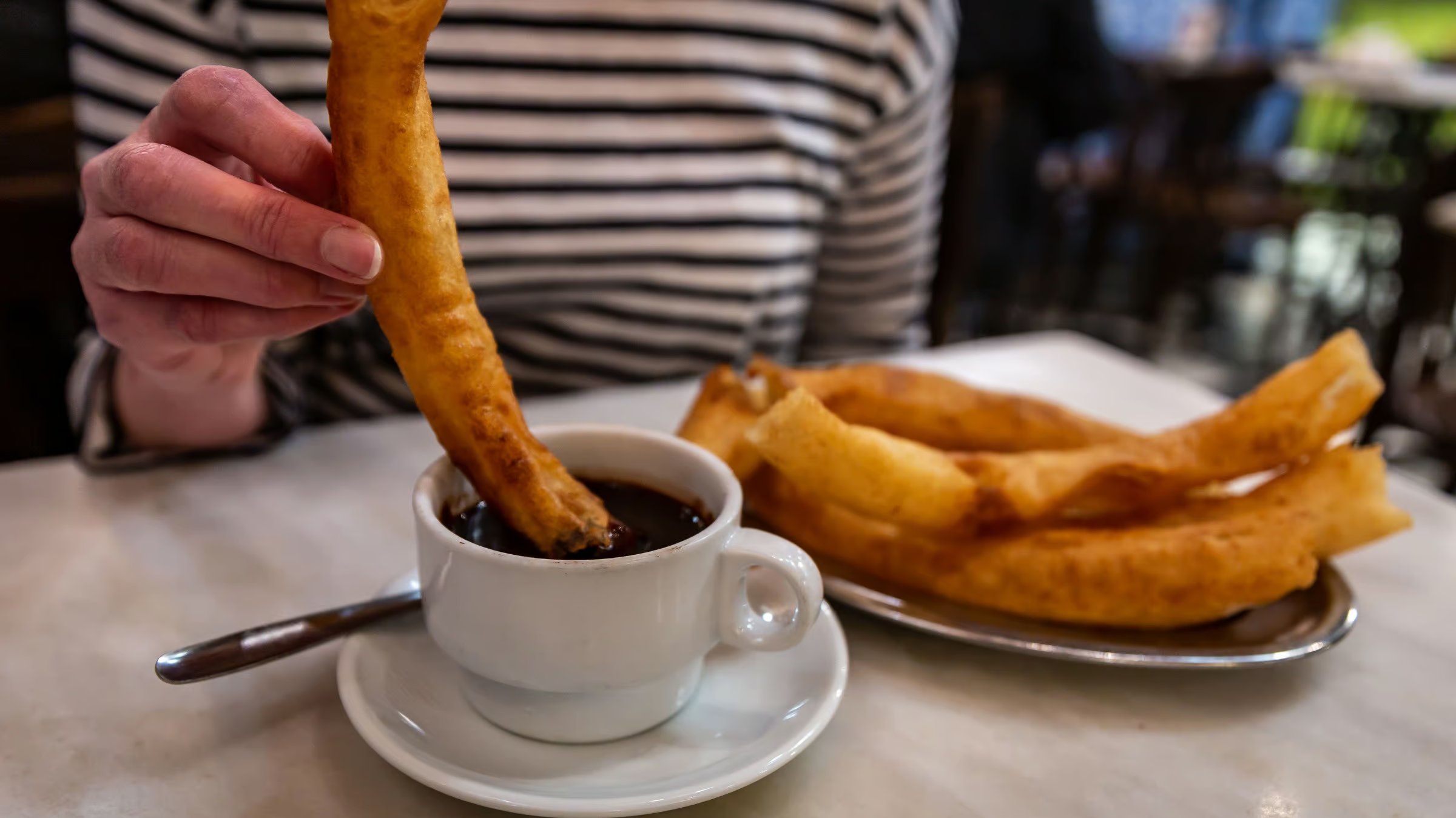
One of the most popular desserts in Andalusia is churros con chocolate. Churros came to Spain during the medieval period when Andalusia was under Moorish rule. However, it’s believed that the dessert actually originated even earlier than that in Ancient Greece or China.
Regardless of where they come from, churros are a delicious creation and ubiquitous across Andalusia. Churros are made from pastry dough piped into hot oil using a piping bag with a star-shaped tip.
These fried treats are usually served plain in Andalusia, rather than being coated with cinnamon and sugar, as you’ll commonly find in Latin America.
However, the real magic is in the dipping sauce. Plain churros are served with a generous portion of rich, thick chocolate sauce. Dipping a crunchy golden churro into the piping-hot chocolate sauce creates a delicious blend of flavors, making this a beloved snack or dessert.
13. Tinto de Verano
When it comes to popular drinks in Andalusia, tinto de verano is one that you’ll see everywhere. This is a drink that’s synonymous with summer, and it’s the perfect thing to order while sitting at an outdoor café or bar on a warm evening in Andalusia.
Although many travelers expect sangria (red wine and chopped fruit) to be the most popular drink in Andalusia, locals actually order tinto de verano a lot more frequently. It consists of red wine mixed with lemon soda or sweetened carbonated water, served over plenty of ice.
This is an extremely refreshing beverage that’s perfect for combating the heat on a summer’s day. It’s also lighter than sangria, with a lower alcohol content since it’s mixed with soda. If you want to sound like a local, this is the drink to order when enjoying an al fresco lunch in Southern Spain.
14. Rebujito
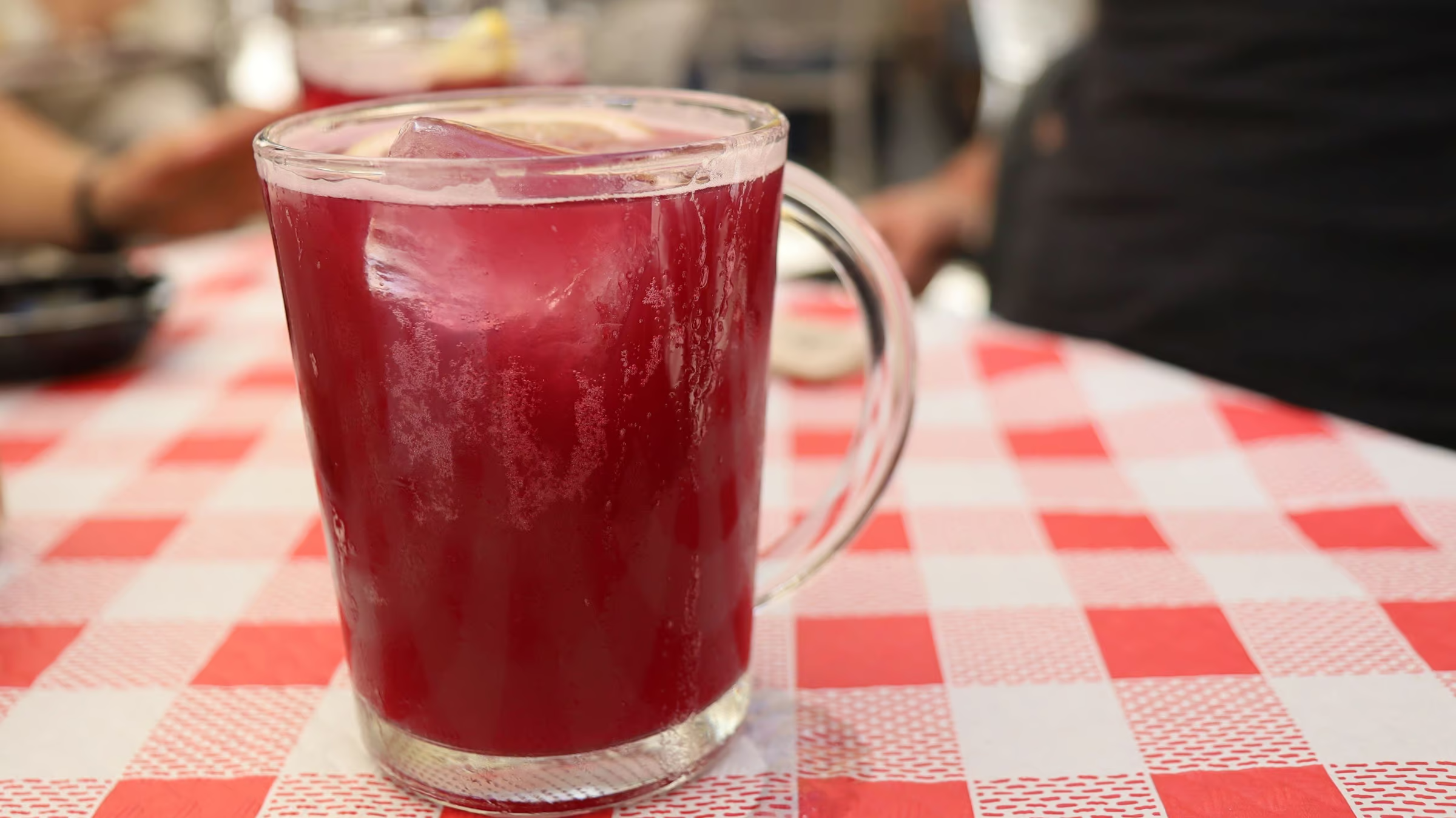
If you’re visiting Andalusia during the spring, you’ll see many people enjoying a glass of rebujito. This is the drink of choice at springtime festivals across the region, from the iconic Feria de Abril in Seville to the lively Horse Fair in Jerez.
Although it’s most popular during the spring, you can find this on the menu at many bars throughout the rest of the year, too.
Rebujito is essentially a sherry spritz, made by mixing a dry, pale sherry with lemon-lime soda. It’s served with ice and fresh mint leaves, creating a delicious, refreshing beverage. The dry notes of the sherry are perfectly balanced by the sweetness of the soda in this crisp drink.
On a warm and sunny day in Andalusia, this is a great drink to order if you’re looking for something light and cool. It’s also a local favorite to enjoy at festivals, with its bubbly, celebratory flavor.

15. Jerez Sherry
Last but not least, you can’t miss trying Jerez sherry while in Andalusia, specifically in the Sherry Triangle formed by the towns of Jerez de la Frontera, Sanlúcar de Barrameda, and El Puerto de Santa María. This sun-baked region in Andalusia is famous for its sherry production.
Jerez sherry is a fortified wine primarily made from Palomino grapes, resulting in the crisp, dry flavors of white table wines like Manzanilla and Fino. You can also find sherry made from Pedro Ximénez and Moscatel grapes, resulting in a sweeter dessert wine.
A glass of sherry is the perfect way to start or end a meal, and it’s also a popular drink to order while enjoying plates of tapas with friends. With a wide variety of different varieties to discover, every traveler can find their favorite sherry while in Andalusia.

Savor The Best Food in Andalusia With JayWay
If this guide about what to eat in Andalusia has built up your appetite, our expert trip planners will be more than happy to craft the perfect Spain itinerary for you, sprinkled with recommendations for the best Andalusian restaurants and tapas bars, all handpicked by our local staff.
Your culinary adventure across Spain’s sunniest region awaits only an email or phone call away.


Born and raised in Athens, Maria’s passionate about travel and storytelling, a combination that makes her ideal for her role as our content manager.


