



Mont Blanc is one of those climbs that is on almost every mountain enthusiast’s bucket list.
At 4,805 meters above sea level, it is the highest peak in the Alps and Western Europe and one of the most iconic summits in the world. Every year, thousands of climbers attempt to reach the summit. But despite its popularity, Mont Blanc is far from an easy mountain.
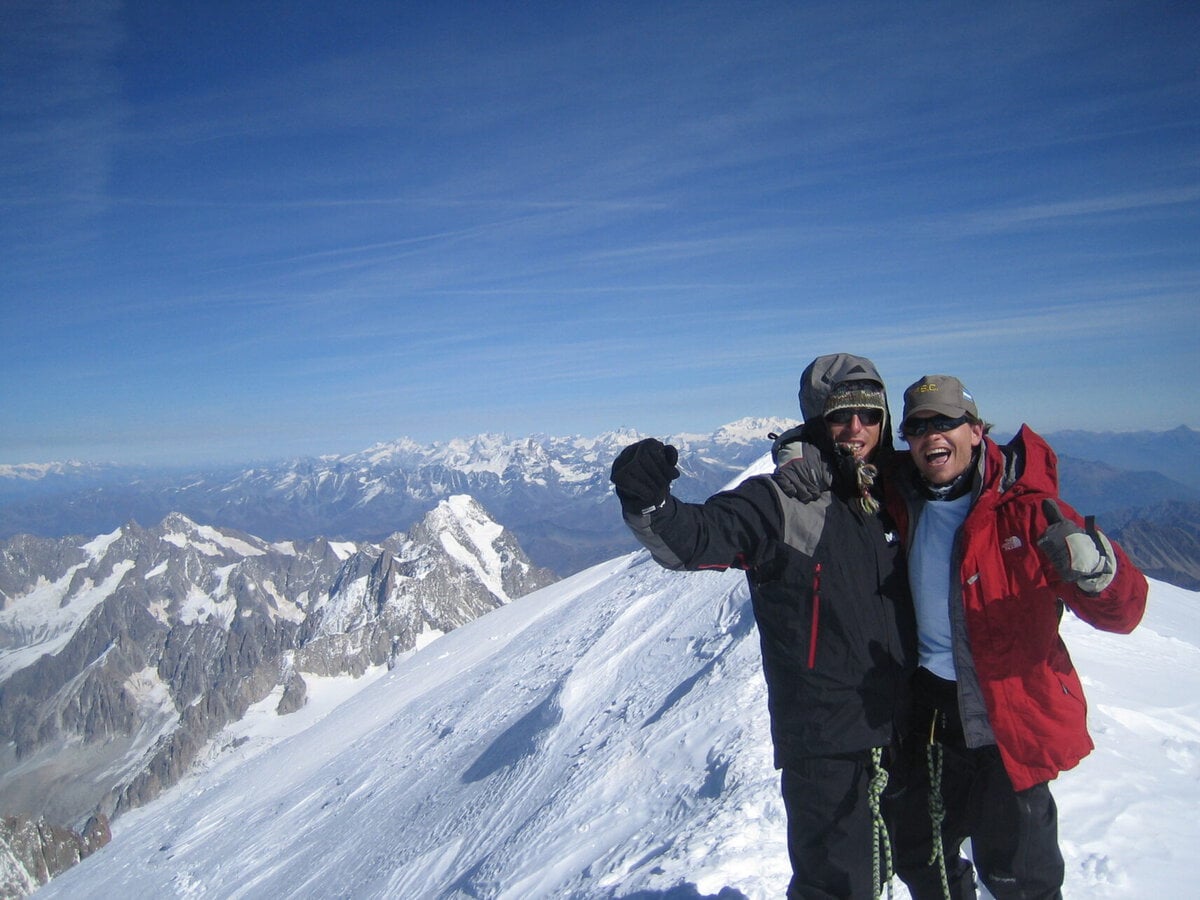
I climbed Mont Blanc via the Cosmiques route with a certified mountain guide, and quickly realized that although it is considered accessible, it is much more challenging than most people expect.
If you’re planning to climb Mont Blanc, preparation is much more important than most novice climbers expect. Here’s what you need to know before you start climbing:
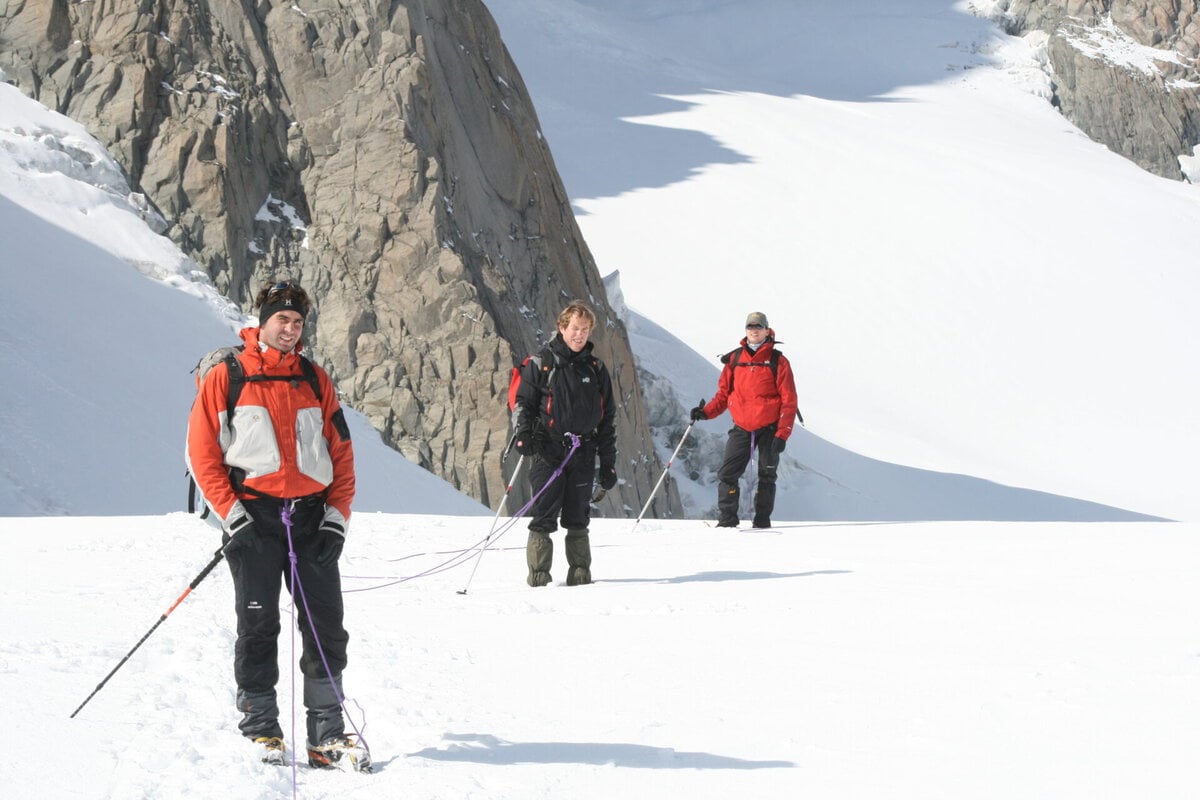
How difficult is it to climb Mont Blanc?
Mont Blanc is often described as “non-technical,” but that description can give people the wrong impression.
The standard route does not require advanced climbing skills, but still covers:
- High altitude of approximately 4,800 meters
- Long summit days (often 8 to 12 hours)
- Glacier excursion (crevasse, rope techniques)
- Objective risks such as falling rocks, weather changes, etc.
The biggest challenge when climbing for me was not technical difficulty but a combination of altitude, exposure and duration, which is much easier to manage with an experienced guide.
Many climbers with limited technical experience attempt Mont Blanc, but only with proper preparation and professional guides.
Related reading: Best Hiking and Camping Places in Europe
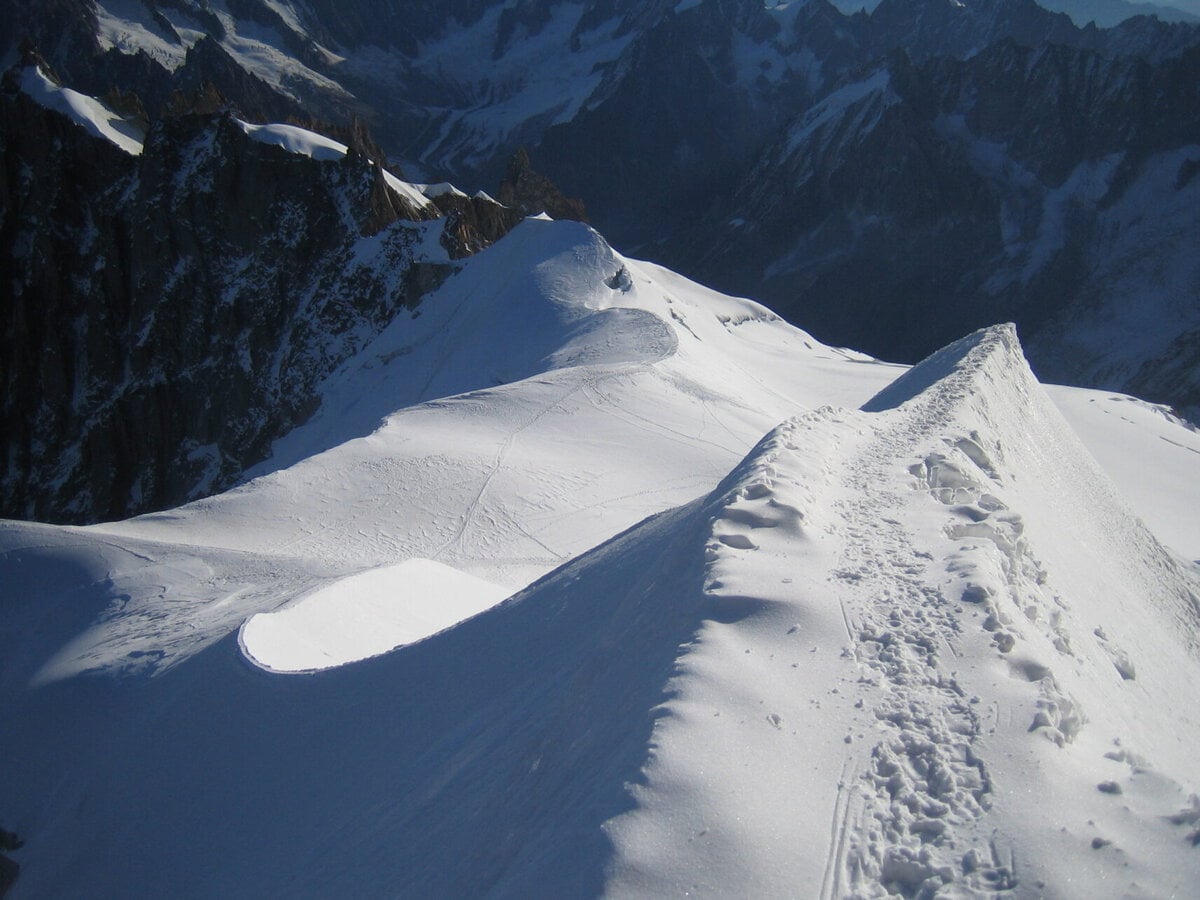
Main route to the summit
There are several routes on Mont Blanc, each with different levels of commitment, technical difficulty and objective risk.
Goûter route (normal route)
The Goûter Route is the most popular way to climb Mont Blanc and the option chosen by many novice alpine climbers.
It usually starts in Les Houches or Saint-Gervais and includes:
- A night in a Tête Rousse hut
- Crossing the Grand Couloir (vulnerable to falling rocks)
- Second night at the Goûter hut
- Summit via Bosses Ridge
continue: 2-3 days
difficulty: Moderate (but serious due to objective risk)
The Grand Couloir is one of the biggest hazards on the route due to frequent rock falls, especially during warm summer afternoons.
During peak season this route can feel crowded. Hundreds of climbers can attempt to summit during the same weather window, which often results in lines forming near narrow sections of the ridge.
Trois Monts Route
This is the route I have climbed and is generally considered a more technical alternative.
This route passes through:
- Montblanc du Tacoul
- Modit Mountain
- Mont Blanc
Compared to the Goûter route (the most common option), this climb felt more exposed and physically challenging, especially with its steeper sections and altitude.
This includes steeper terrain and exposure to seracs and avalanche hazards.
continue: 2 days
difficulty: It is more technical and demanding.
This route is more exposed to avalanche and serac hazards depending on conditions.
Italian route via Gonella Hut
A less crowded and more remote alternative starting on the Italian side of the mountain.
It is usually climbed early in the season as conditions become more unstable later in the summer.
- Access via Miage Glacier
- Overnight at Gonella Hut
- Join the final section of the Goûter route
continue: 2-3 days
difficulty: Further away and slightly more complex logistically
This can be a good alternative when the French side cabins are fully booked, although it requires more flexibility and experience.
When is the best time to climb Mont Blanc?
The main climbing season runs from June to September.
July and August
This month is traditionally considered the best for stable weather and normal conditions. They are also the busiest.
As summers have warmed in recent years, the risk of rock falls has increased on the Goûter Route, especially on hot afternoons.
June and September
These months are generally quieter, but weather conditions are more unpredictable.
Good climbing conditions generally mean:
- clear sky
- cold night temperatures
- low wind
- stable snowpack
Even during peak season, weather windows can close quickly. Many climbers spend several days in Chamonix waiting for conditions to improve.
Need a guide?
Technically not. Many experienced mountaineers climb Mont Blanc independently.
But for most people, hiring a certified mountain guide is a safer and more realistic option.
Having a guide changed the whole experience. Call speed, timing, routing decisions, and energy management have all become much easier for someone with experience to handle.
The guide will also help you:
- glacier navigation
- Crevasse structure knowledge
- Assessing weather and avalanche conditions
- rope care
- Summit timing
Experience is important in the mountains where conditions can change in a matter of hours.
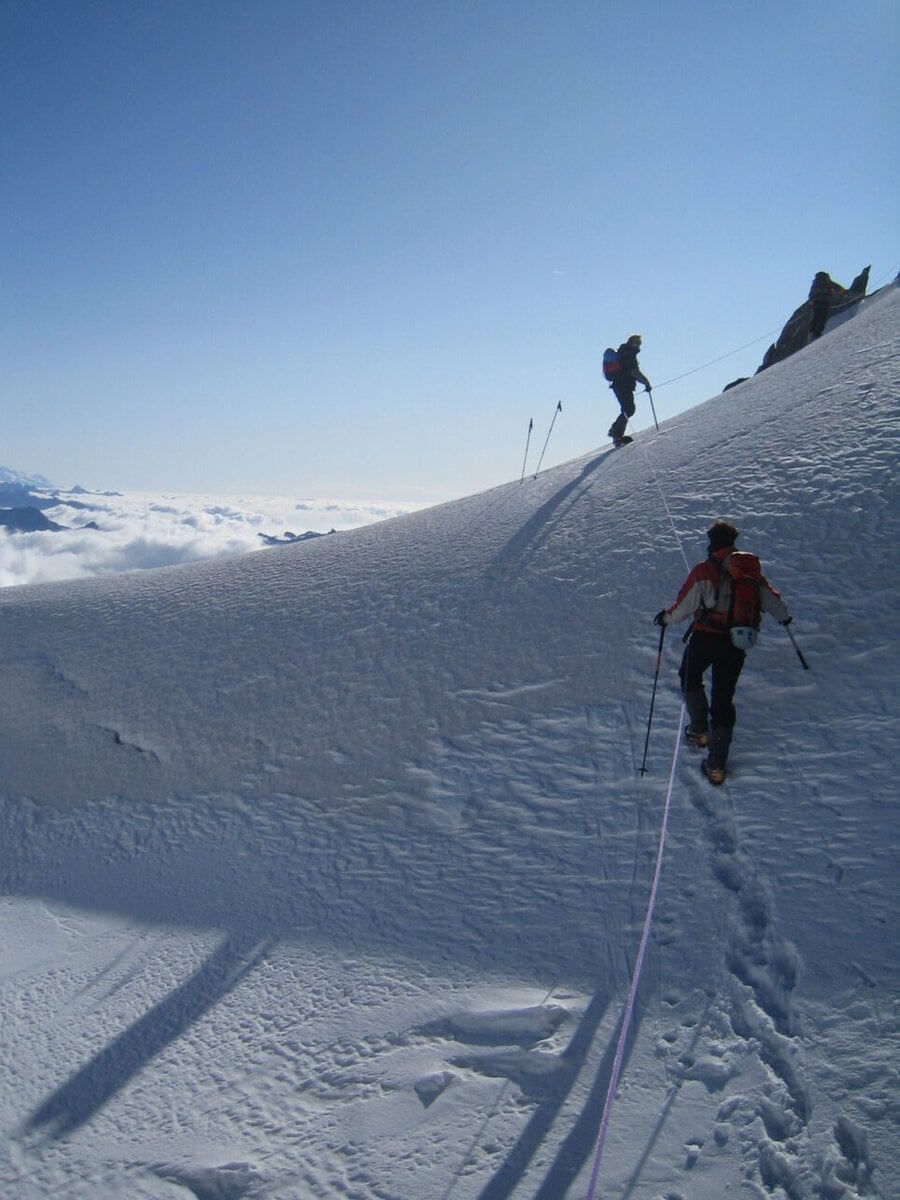
How much does it cost to climb Mont Blanc?
Prices vary depending on duration, service and group size.
Typical range:
- 2-3 day climb: €900-€2,000 per person.
- Long-term program (including adaptation): €2,000-€3,500+
Additional costs may include:
- cabin accommodation
- Lift pass (Aiguille du Midi, tramway)
- Equipment rental
When should I make a reservation?
One of the most underrated parts of climbing Mont Blanc is securing a lodge reservation.
The major lodges, especially Goûter Hut and Tête Rousse Hut, usually open for bookings in December and can sell out within a few weeks.
For summer climbing, advance reservations are often required 6 to 9 months in advance.
If you’re planning to climb with a guide company, many operators will secure cabin space early on, simplifying the logistics considerably.
How to prepare Mont Blanc
Physical preparation is essential.
Before attempting the Mont Blanc, you should be comfortable doing the following:
- Hiking for 8-10 hours with a backpack
- It handles an elevation gain of 1,200 to 1,800 meters per day.
- Move efficiently even in cold environments
- Recovers well over successive days
Previous altitude experience is also very helpful. Many climbers prepare for alpine climbs in the 3,000-4,000 meter range before attempting Mont Blanc.
Technical preparation should include:
- Walking with crampons
- ice ax basics
- rope travel techniques
- glacier movement
Popular acclimatization climbs include peaks such as Gran Paradiso or shorter alpine objectives around Chamonix.
Related reading: Gear Guide: Essentials for Camping and Hiking
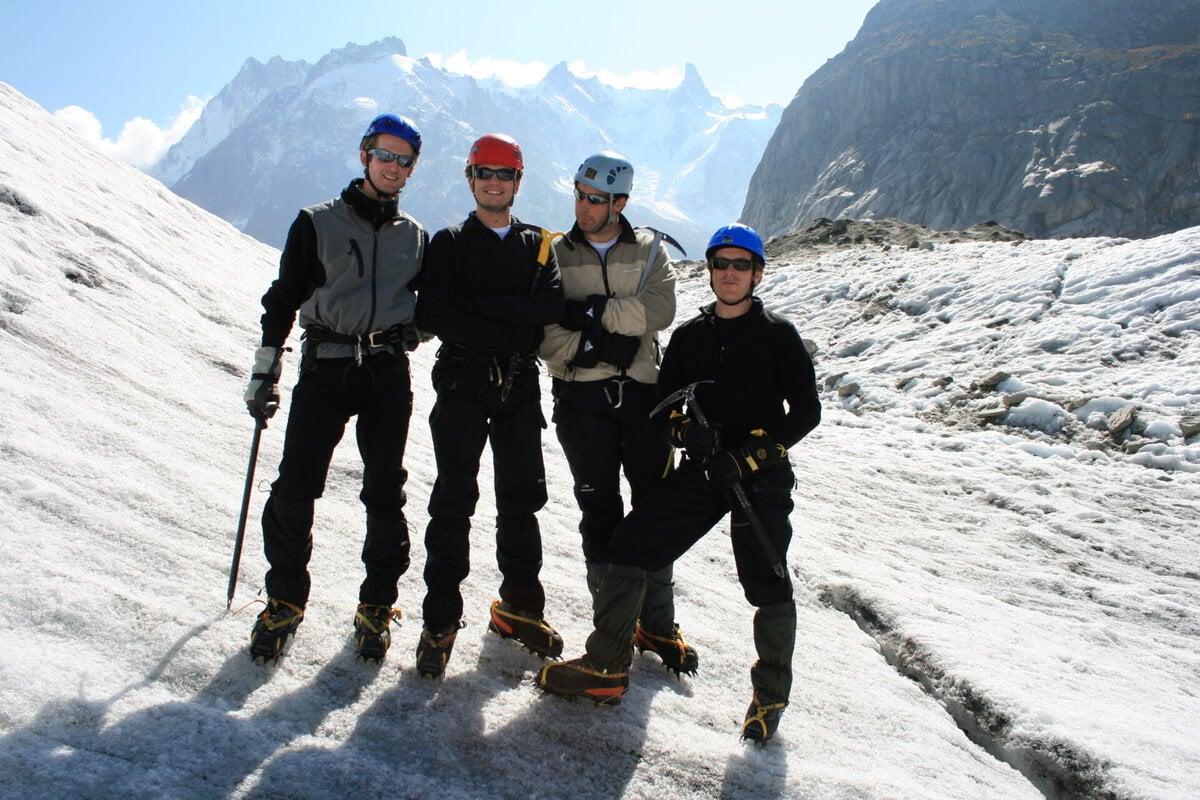
Mont Blanc’s biggest risk
Mont Blanc is not dangerous because the risks on tecMont Blanc arise more from objective risks that are completely beyond your control than from the technical difficulty of the climb.
The main risks are:
- falling rock
- avalanche
- crevasse
- sudden change in weather
- altitude sickness
The Grand Couloir on the Goûter Route is particularly famous for its rockfalls. Safe crossings often require traveling very early in the morning before temperatures rise.
Altitude is another key factor. Even strong hikers can have difficulty climbing more than 4,000 meters if they are not properly acclimatized.
practical information
Best Base Town
Most climbers start from Chamonix.
mountaineering season
June to September
Typical summit period
- Snack route: 2-3 days
- Troismont route: 2 days
fitness level
Requires strong endurance. Suitable for experienced hikers with good cardiovascular health.
equipment needed
- hiking boots
- crampons
- ice ax
- harness
- helmet
- warm alpine clothing
Many climbers rent technical equipment in Chamonix.
crowd level
In July and August, when the weather is at its best, hundreds of climbers a day may attempt to reach the summit.
final thoughts
Climbing Mont Blanc is an incredible experience, but it should not be taken lightly.
The biggest surprise for me was how tiring the climb felt, despite my strong fitness. The altitude and long summit make it a much more serious challenge than most people expect.
If you’re planning a climb, we recommend exploring the different guide options, routes, and group formats to find the one that best suits your experience level and goals.
Success is never guaranteed on the big mountains and sometimes turning back is part of the experience.
However, with the right preparation, realistic expectations and good conditions, climbing Mont Blanc is an achievable goal for many motivated climbers.
Frequently Asked Questions
Can beginners climb Mont Blanc?
Yes, but complete beginners should not attempt it without proper preparation and a certified guide. Strong fitness, some alpine experience, and basic crampon skills will make the experience much safer and more enjoyable.
How long does it take to climb Mont Blanc?
Most climbs take two to three days, but many guide programs add an additional acclimatization period to increase summit success.
What is the success rate of climbing Mont Blanc?
Success rates vary depending on weather and route conditions, but many guide companies estimate around 50 to 70 percent overall. Weather is often the determining factor rather than health.
Is altitude sickness common on Mont Blanc?
yes. Even healthy climbers may experience headaches, nausea, dizziness or fatigue above 4,000 metres. Taking the time to adapt ahead of time will help you significantly reduce your risk.
What is the most difficult thing about climbing Mont Blanc?
For many people, the hardest part is summit day. The combination of altitude, cold temperatures, lack of sleep, and long travel times causes fatigue.
Is the Goûter Route dangerous?
The route itself is not highly technical, but it is serious due to objective hazards such as falling rocks. As conditions change with each season, many climbers rely on local guides to assess current safety.







