



How many clothes do you own and never wear?
The quiet luxury of collecting without the need to display.
Cultural products do not need to be worn all the time to be loved. 🌸
Some jewelry is not purchased for use as a mirror. It is bought for the soul.
In the Gracie Opulanza Baroque collection I started to notice something very interesting.
Women in their 50s, especially Australian women, are buying my jewellery, but they don’t wear it.
Not yet.
Sometimes it doesn’t.
They buy rings.
They choose stones.
They listen to the story.
Then we store it in a safe place, like a little museum of personal meaning. Inside boxes, on shelves, inside fabric-lined drawers, etc.
And that says it all to me.
Because this isn’t about trends.
It’s about non-urgent ownership.
About fruitless audits.
It’s about meaning that doesn’t need verification.
These women no longer need to prove anything to anyone.
And this changes the way we buy.

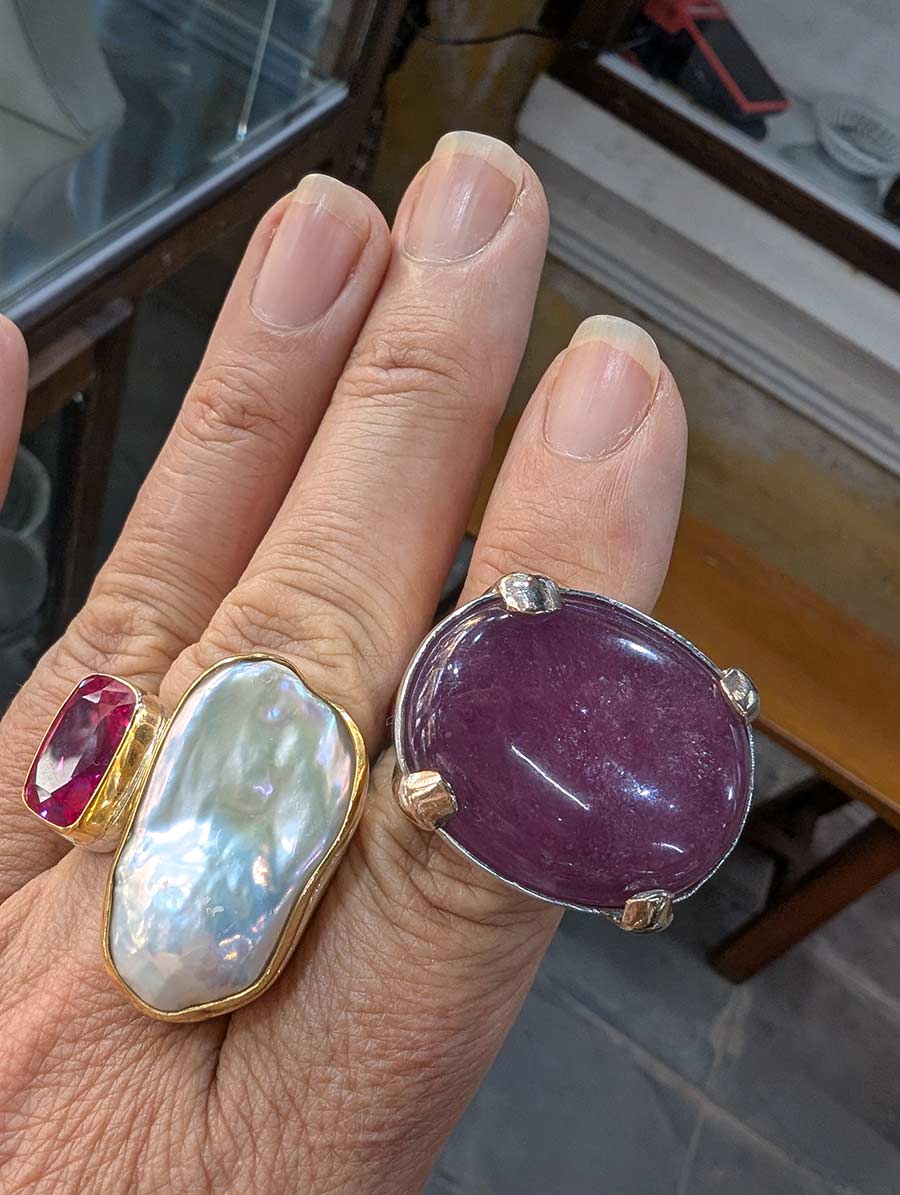
When jewelry becomes a story, not an outfit
At 25, jewelry is decoration.
If you are thirty-five, you are in good condition.
Forty-five is the power of expression.
But you’re in your 50s?
Jewelry becomes an archive.
It goes like this:
– memory of place
– A reminder to survive
– symbol of independence
– compensation
– One sheet of witness
Cambodian gemstones are not ‘rings’ —
But then I went there alone.
Vietnamese Baroque pearls are not “accessories” —
But at that moment I didn’t wait for permission.
The silver setting will no longer be metal —
But it’s proof that I can make my own choices.
This product does not need to be worn every day to retain its value.
They have value because they were consciously chosen.
And that is luxury in its purest form.
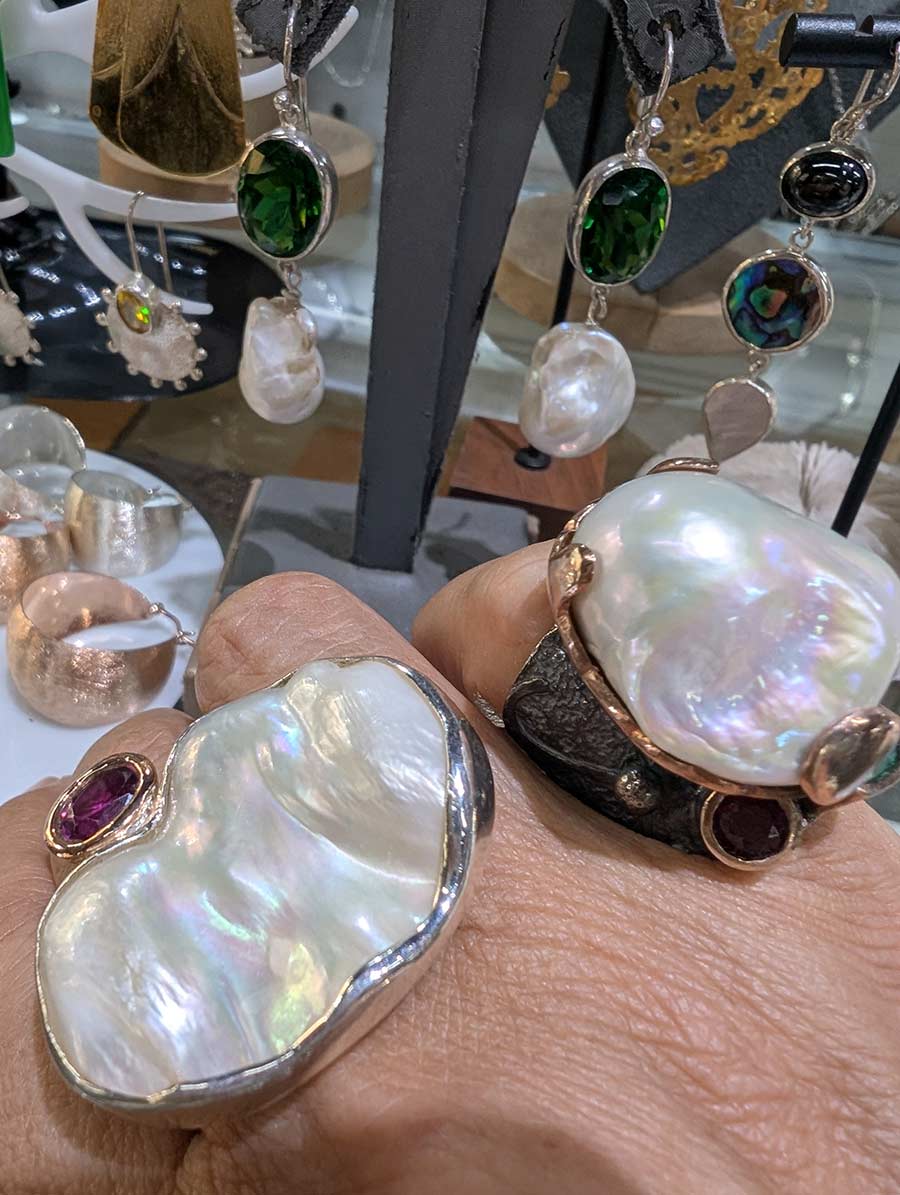
gratitude for ownership
There’s a quiet confidence that when you buy something you don’t have to show it.
No need for Instagram.
No compliments needed.
No ‘like’ required.
You already know what that means.
Australian women in their 50s understand this deeply.
They raised their children.
They built a business.
They buried their parents.
They left their marriage.
They survived the disease.
They started again.
So the reason they buy jewelry now is not to decorate their youth.
It’s about respecting the experience.
And sometimes… I don’t wear it because if I do, it might go back into fashion.
Holding it turns it into a relic.
good night:
– First edition book
– painting
– travel talisman
– Personal Treasure
It’s not worn out because it’s unwanted.
It is unworn because it is too meaningful to be treated casually.
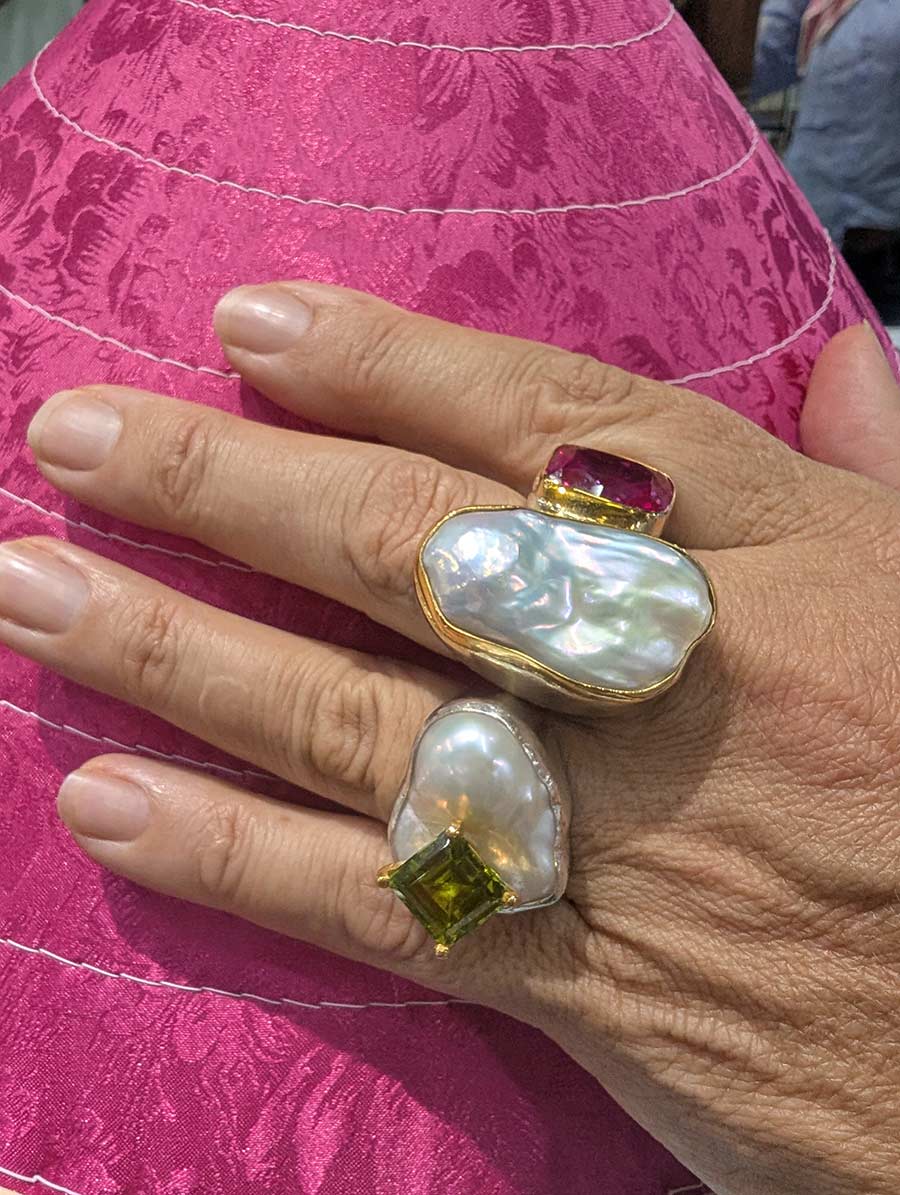
Jewelry you never wear
Let’s be honest.
How many clothes do you have that you have never worn?
That necklace I bought in Italy.
This ring is sold at a Thai market.
That bracelet you said was “so special every day.”
That piece that doesn’t match your clothes… but matches your memories.
They sit quietly.
they wait
They don’t demand attention.
And yet you will never throw them away.
Because they have:
– location
– hour
– your version
– promise
– Lesson learned
We don’t wear everything we like.
We don’t read all the books we cherish.
We do not open every bottle of wine we collect.
Some things simply exist intentionally to be possessed.
Why women in their 50s choose this path
There is something fundamentally different about women who reach this stage.
they:
– No longer buying to fit in
– No more dressing choices.
– We no longer collect for approval.
– No longer curating for others.
They buy:
because they want
Because talking
Because it seems right
Because it connects
Because it supports the weight
You don’t have to prove your worth by wearing it.
They already know its value.
This is why they aim to:
– Hand-made work of art
– Baroque Pearl
– Raw gemstone
– imperfect stone
– Cultural materials
– Artisan’s work
Not because it’s trendy —
But because it reflects living texture.
Smooth perfection belongs to youth.
Complex beauty belongs to experience.
Jewelry as a personal language
Some works are not intended for public translation.
they:
– Between you and the creator
– Between you and the country
– Between you and memories
– between you and you
So women will say this.
“I don’t wear it… but I like knowing I have it.”
That sentence is powerful.
It means:
I don’t need to show you my story.
I don’t need to justify my choices.
I don’t think there’s any need to explain my taste.
I don’t have to perform my identity.
The piece has already done that.
Another piece looks for a woman
So when I say:
“Another piece finds the woman. Another sale. Another story to follow.”
I’m not talking about another transaction.
What I mean is:
Another chapter has been archived.
Another memory was preserved.
Other cultures are respected.
Another hand-wringing took place and the bloodline continued.
My jewelry is not made to disappear into trends.
Built to sit in drawers, boxes, safes and memory.
It will be held occasionally.
I touched it.
It has been recalled.
I understand.
Do not wear to strangers —
But it is owned for meaning.
Maybe the question isn’t “Why don’t you wear it?”
Perhaps the real question is:
Why do we think love has to be visible?
Why should values be made public?
Why should ownership be noisy?
Why should beauty be seen?
Why must meaning be proven?
The most important things in life are:
-maintained
-maintained
– Saved
– remember
– Protected
Not published.
No style specified.
Not verified.
then… How many pairs do you have and never wear?
That ring I haven’t worn in 10 years.
That necklace feels so precious.
A bracelet that doesn’t fit your lifestyle.
That piece that doesn’t match your clothes, but fits your story.
That’s not a mistake.
They are markers.
They say:
“I was here.”
“I chose this.”
“This was important.”
“This is mine.”
And in a world obsessed with consumption and displays,
There is something incredibly elegant about owning something simply because it means something to you.
It’s not because they match.
It’s not because of the trend.
It’s not because it sells.
But because it speaks.

