



While neighboring towns pursue luxury, Fuengirola offers the slow, beautiful life of the Costa del Sol, allowing you to truly immerse yourself in authentic Spanish everyday life. Having guided visitors to this working coastal town for years, we’ve watched travelers discover something rare. This is a place where you can experience both the beauty of the Mediterranean and the true Spanish neighborhood culture without the resort façade.
Most travel writers dismiss Fuengirola as an outdated package tour and have completely lost their minds. What they don’t see is the thriving Spanish blue-collar town below. Here, three generations gather in a residential square, hand-written chalk menus outnumber tourist-translated menus, and the rhythm of daily life shifts to a leisurely coastal tempo increasingly rare along Spain’s developed coast.
To embrace the slower pace of Spanish life, here’s our guide to what to do when visiting Fuengirola.
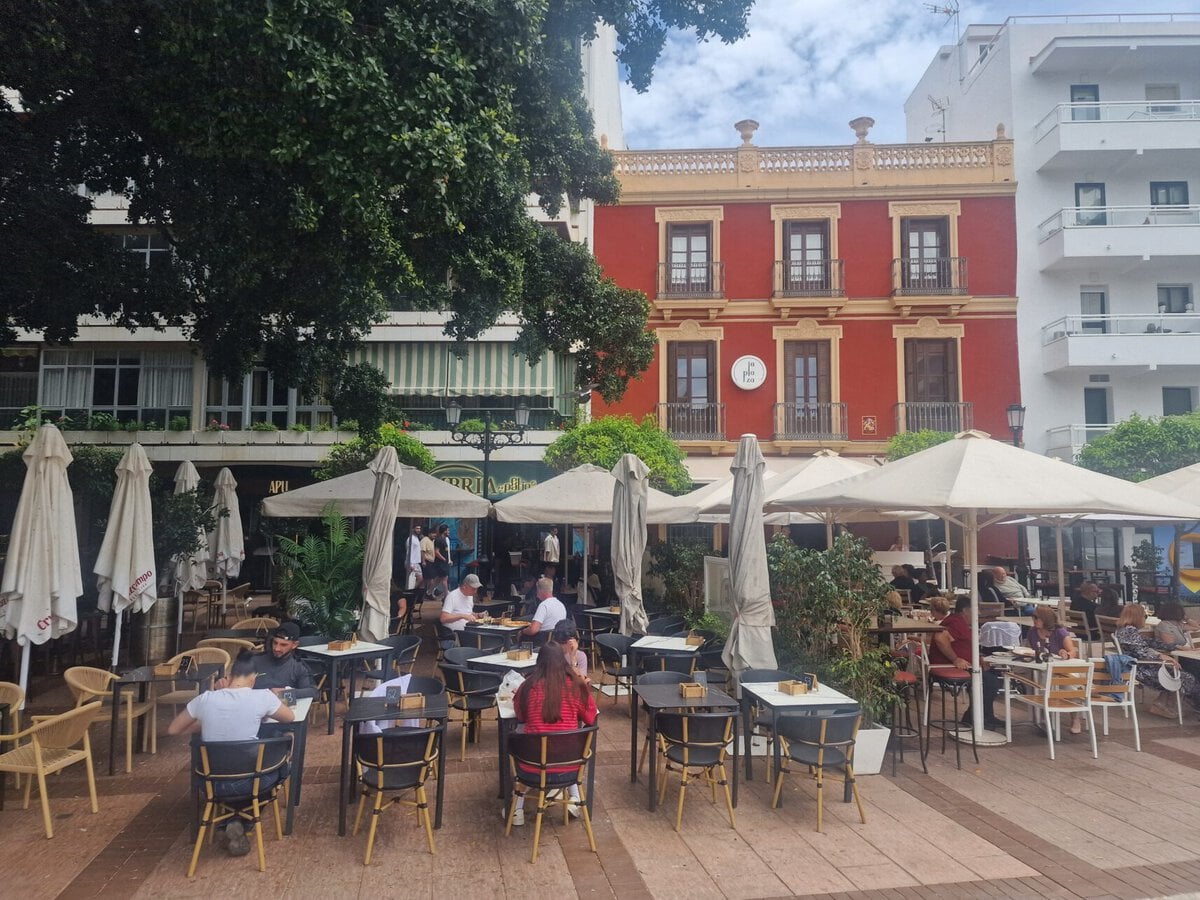
Find your rhythm in Plaza de la Constitución
A day here begins not with an alarm clock, but with a natural awakening to Spanish community life. Plaza de la Constitución serves as the town’s living room, with local seniors occupying their favorite benches under the trees until 8 a.m. The air carries the scent of rich espresso and fresh churros from nearby cafes.
We tell our guests to resist the urge to plan their first morning. Instead, find a café table facing the square and put the Spanish concept into practice. don’t rush—Without haste. Watch as the square transforms from a quiet morning refuge to a vibrant social hub where neighbors chat with each other, children move between benches and shopkeepers go about their daily routine.
The piazza reveals Fuengirola’s true character in brief moments: the way cafe owners memorize their regulars’ orders, the way conversations flow smoothly between tables, and the leisurely pace that dominates everything from coffee service to evening strolls. This is not a show for tourists. It’s just the way life unfolds when a community has deep roots.
Walking Paseo Maritimo without a destination
The sprawling beachfront promenade stretches for miles, but encourages travelers to approach it differently from the typical tourist trails. Rather than running towards the landmark Let the Mediterranean breeze guide your pace. In the early morning, fishermen sort their nets and their practiced movements allow you to experience hundreds of years of maritime tradition.
As the day progressed, families set up on the sand with colorful umbrellas, creating a makeshift neighborhood. The trails become social arteries where locals walk their dogs, teenagers gather in groups and older couples spend their evenings.
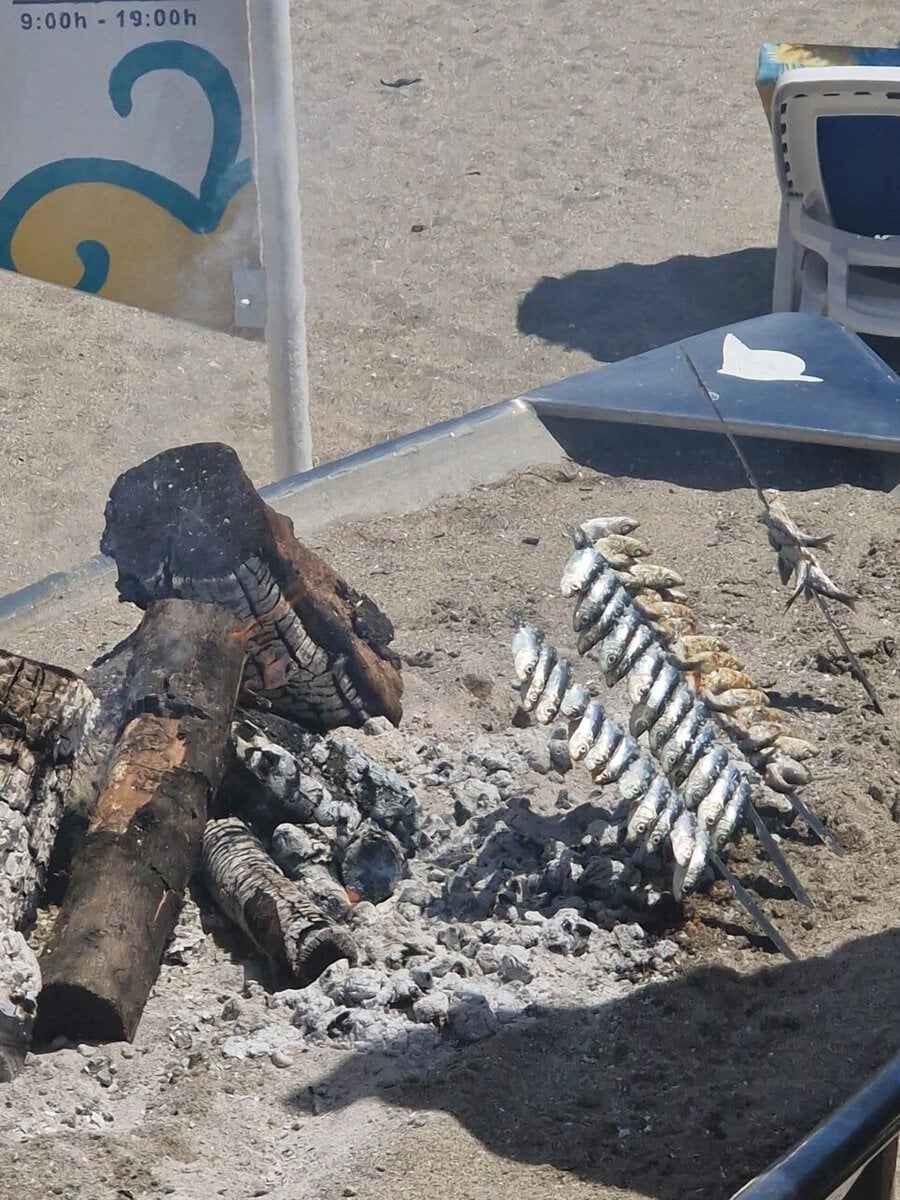
Juan, 2 years old espetero He has been grilling sardines over an olive wood fire for 30 years and works in a seaside restaurant in a converted old fishing boat. His greasy apron and warm smile convey more about Andalusian coastal heritage than any museum exhibit. Watching him flip a skewer with expert precision is an immediate connection to an old-time fishing tradition that continues alongside modern beach life.
As the afternoon approaches, the sensory experience deepens. The refreshing, salty taste of the sea breeze mixes with the irresistible scent of espetos roasting over an open fire, while the steady rhythm of the Mediterranean waves provides a constant backdrop to the lively Spanish conversation of nearby chiringuitos.
Get lost in Los Boliches
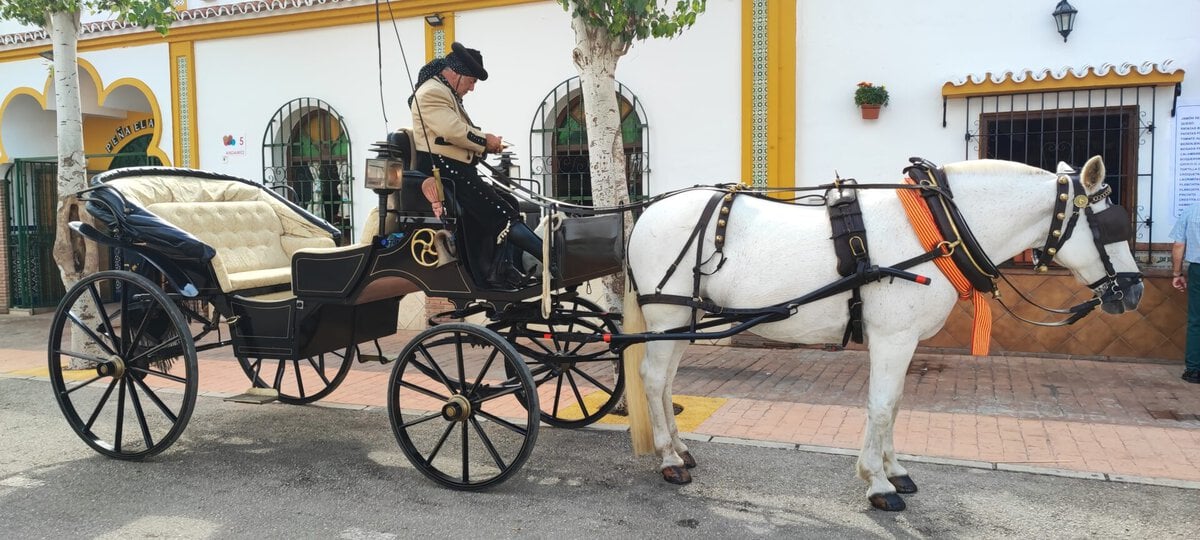
The narrow, labyrinthine alleyways of Los Boliches offer Fuengirola’s most authentic neighborhood experience. Here, white and yellow buildings line streets barely wide enough for cars to pass, laundry sways gently on wrought-iron balconies, and jasmine vines climb walls warm in the sunlight.
In the back streets of this residential area you’ll find a small, family-run fréduria, where pointing at the counter works better than any English menu. We realized we hadn’t seen another tourist for hours as we watched a crowd of tourists break through on a simple plastic sidewalk table, surrounded by screaming local families watching a football game.
This neighborhood presents itself in many layers. In the morning you can smell freshly fried churros wafting from corner shops, in the afternoon you can smell garlic and olive oil from hidden tavernas, and in the evening the quiet square turns into an impromptu social gathering. Since there is no set itinerary, you may stumble upon celebrations or local events happening in your neighborhood. party—A magical-looking street party with acoustic flamenco guitars and locals of all ages dancing together.
These moments of true cultural immersion occur precisely because they are not marketed or packaged. They emerge from the natural rhythms of Spanish community life, which persist regardless of tourism.
Sunset ceremony at Sohail Castle
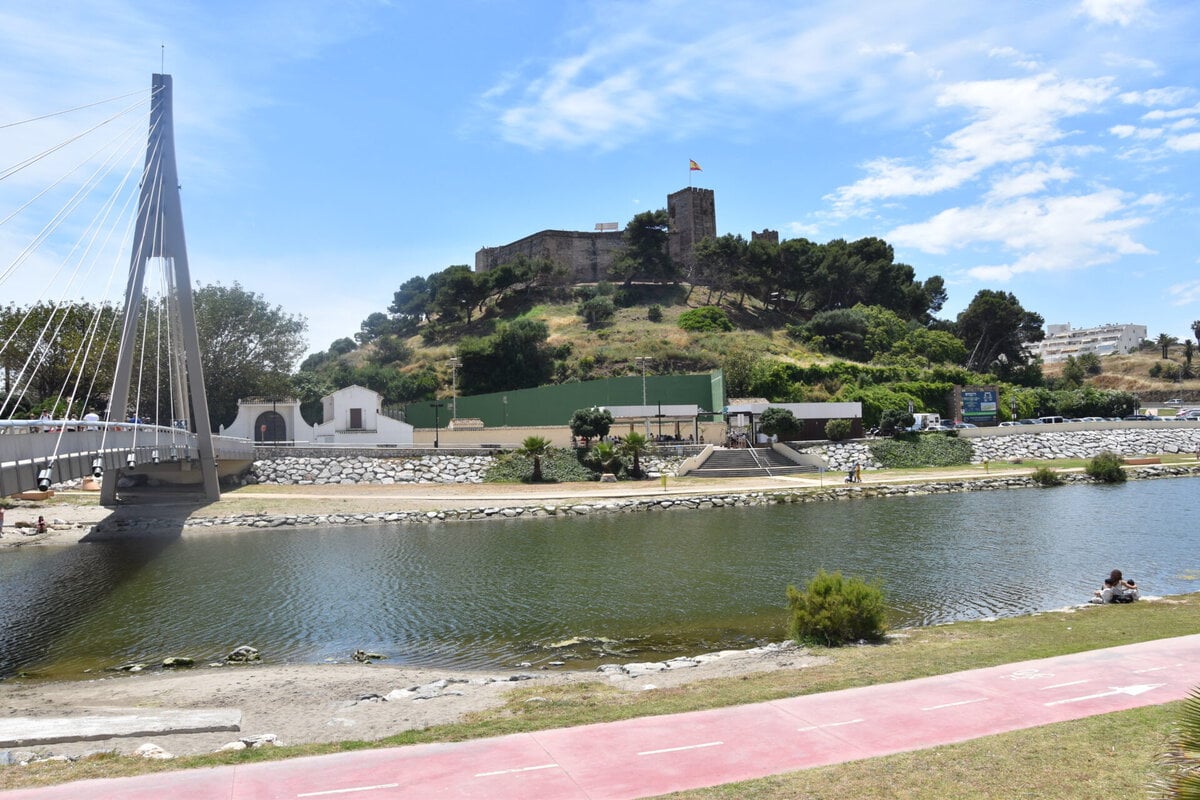
The medieval Sohail Castle provides historical context and a perfect viewing platform for Fuengirola’s daily sunset ritual. Rather than rushing to take pictures of the monument, locals understand the real value of this place: the wide beach on its shores, where the community gathers every evening.
As afternoon turns to dusk, families, couples and friends sit on the sand, sipping cold drinks, creating an informal social time that feels timeless and immediate. As the sun sets behind the Andalusian mountains, it turns the sea deep orange and purple. All around us, conversation continues in lively Spanish.
What makes these moments powerful is not the potential of Instagram, but the realization that you are not just observing a truly local tradition, but participating in it. The families surrounding you do not perform Spanish culture. They are living that life and your presence enhances rather than detracts from the true community atmosphere.
The unstructured freedom of everyday life in Fuengirola
The most profound emotional changes occur around the third or fourth day. It’s when you check the clock and realize you’re nowhere near where you should be and don’t feel any guilt about it. In our experience, these moments of pure, unhurried peace often find travelers when they least expect it. Sitting at a plastic table in a noisy square, watching three generations of local families eat dinner and laugh together.
This relief comes from a temporary break from obsession with travel checklists and Instagram-worthy highlights. Fuengirola’s gift isn’t its extravagant monuments or luxurious amenities. Permission to slow down and watch real life unfold beautifully around you.
The warmth of the coast, softened by the cool Mediterranean breeze, creates ideal conditions for leisurely exploration. It stays comfortable in the late afternoon and transitions into a balmy evening when the air becomes soft enough for midnight conversations at the outdoor tables.
Useful information when visiting Fuengirola
Best time to visit Fuengirola: May through October offers ideal weather, while September and October have perfect temperatures and fewer crowds. Although winters are mild, many beach-focused businesses have shorter work hours.
How to get to Fuengirola: Malaga Airport is 20 minutes away by train or bus. The C-1 commuter train connects directly to Fuengirola Station every 30 minutes. Driving gives you more flexibility in exploring your surroundings.
budget expectations: A meal in a local prairie du rias costs €8-15 per person. A beach chiringuito lunch costs €15-25. Accommodation rates range from €40 to €80 per night for apartments and €80 to €150 per night for hotels, depending on the season and proximity to the beach.
What should I take?: Comfortable sneakers for gravel roads, UV protection, and flexible schedules. Download a basic Spanish translation app. Pointing and smiling works very well.
local transportation: The city center is easily walkable. Local buses connect several regions for €1.20 per trip. Bicycles can be rented for longer beach expeditions.

Frequently Asked Questions
How long should you stay in Fuengirola to experience authentic local life?
Plan for at least four to five days to fully embrace the unhurried rhythm. The first few days can help relieve the urgency of tourism, while days 4 and 5 can reveal deeper community patterns and local attractions that you might otherwise see if you weren’t in a hurry.
Is Fuengirola suitable for families with children?
Of course. Spanish culture warmly embraces multi-generational gatherings and welcomes children everywhere, from beach chiringuitos to evening square life. Wide beaches and a pedestrian-friendly city center make family travel easy and safe.
What are the differences between Fuengirola and nearby Costa del Sol towns like Marbella?
Marbella focuses on luxury and sophistication, while Fuengirola maintains a working-class Spanish character with beach tourism. Instead of the luxury of a resort, you can experience true neighborhood living, reasonable prices, and true local culture.
Can I experience authentic Spanish culture even if I don’t speak Spanish?
Certainly—the locals of Fuengirola are patient, welcoming and try to engage with visitors. Although basic expressions are helpful, the village’s relaxed atmosphere makes communication through gestures, smiles and shared meals incredibly effective.
When do locals actually eat dinner and socialize in the square?
Spanish evening culture begins around 9pm, with people gathering at Pic Square from 10pm to midnight. Families with children often gather as early as 8pm, while the younger crowd socializes until well past midnight on weekends.
Are there any hidden neighborhoods beyond Los Boliches worth exploring?
Plaza Hispanidad and the surrounding residential areas offer fewer visitors but equally authentic experiences. Behind the train station, family-run shops and neighborhood bars frequented by locals reveal the true colors of working-class Fuengirola.







