



The island is small but the areas feel completely different. A beach resort in Alcúdia is nothing like a mountain finca near Sóller. And picking the wrong base can genuinely mess up your trip.
I’ve stayed in five different parts of the island over multiple trips, and every single one felt like a different vacation. So here’s the honest breakdown of where to stay in Mallorca based on what you’re actually looking for.
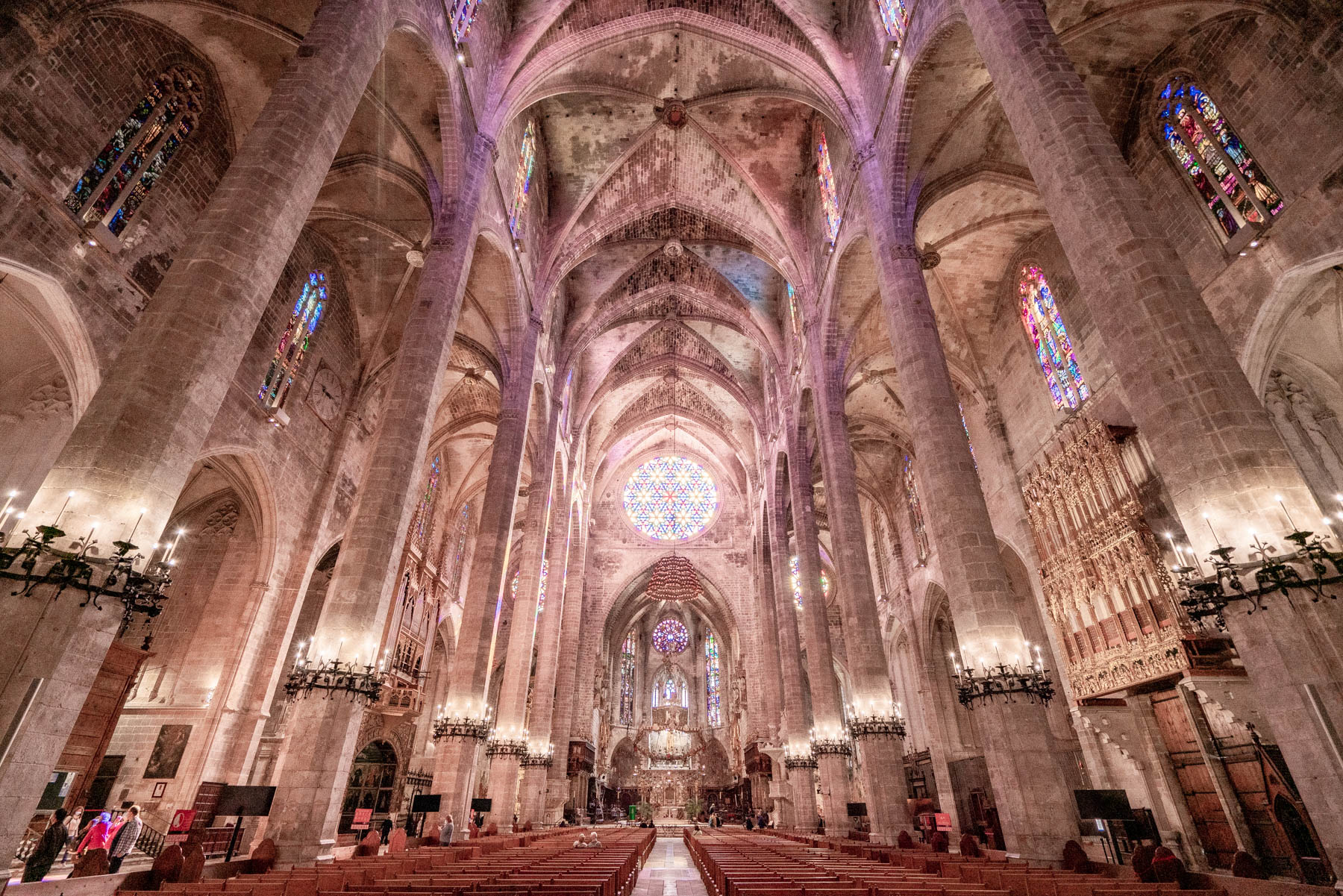
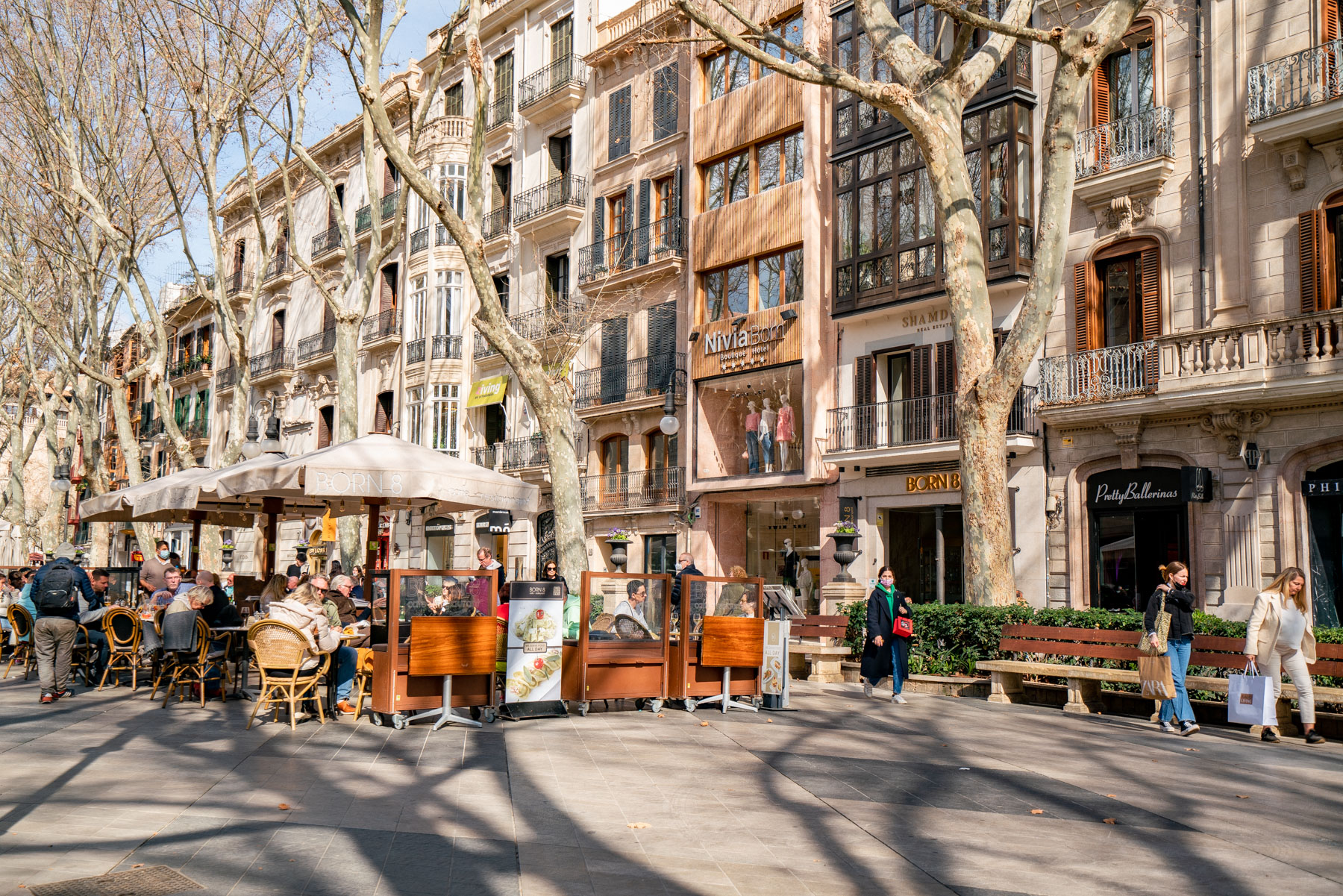
Palma (Best for First-Timers and Foodies)
If this is your first time in Mallorca, stay in Palma. Full stop.
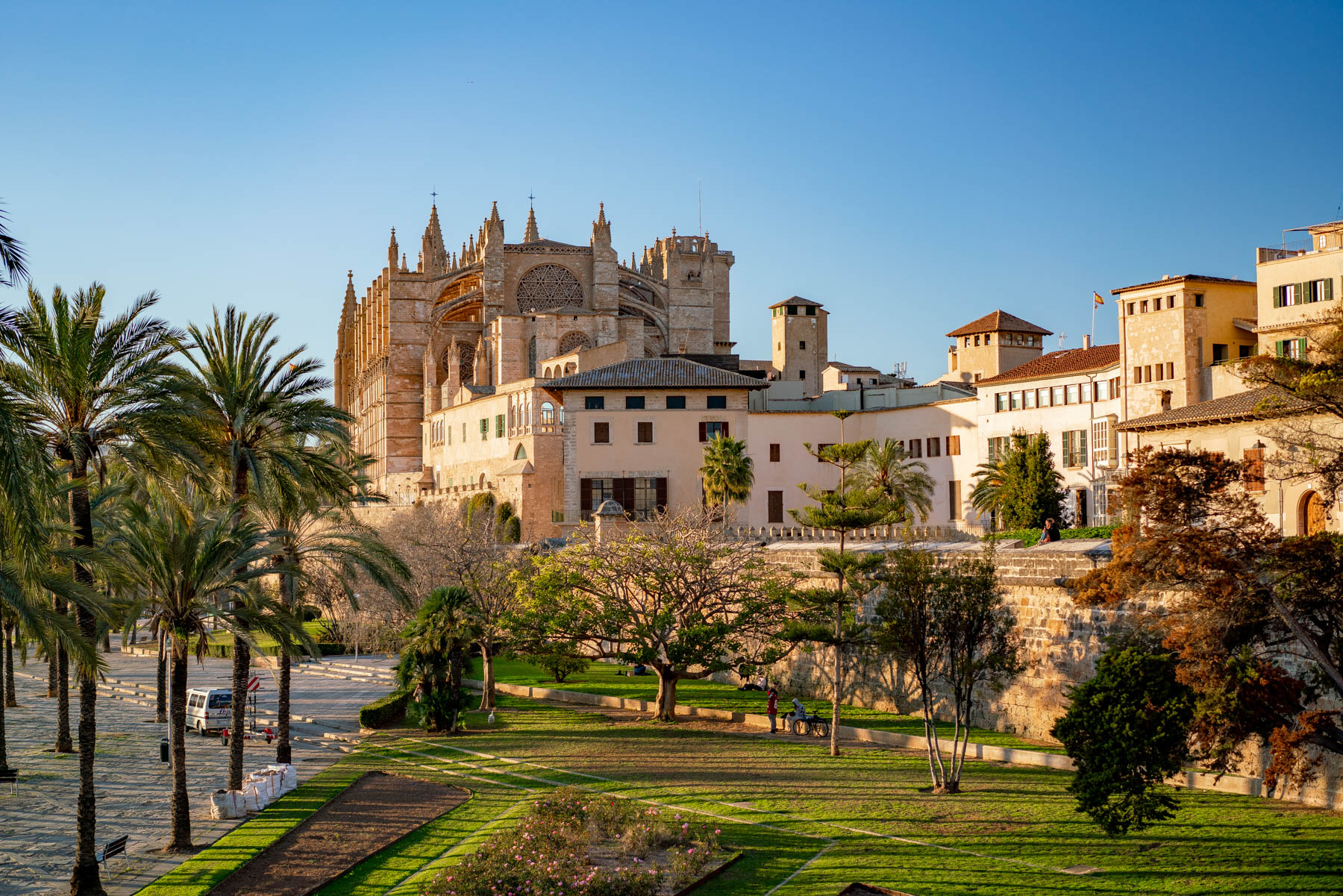
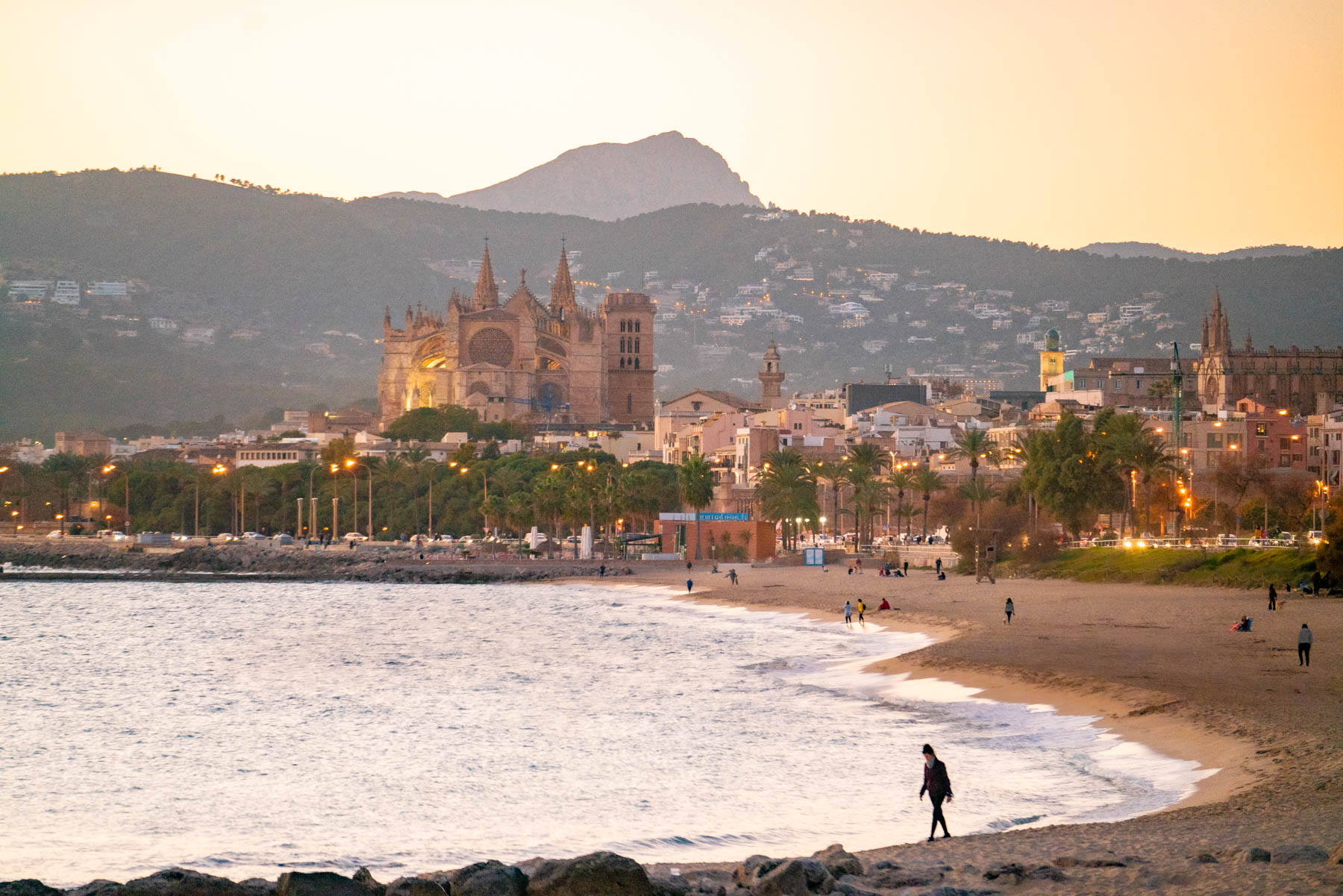
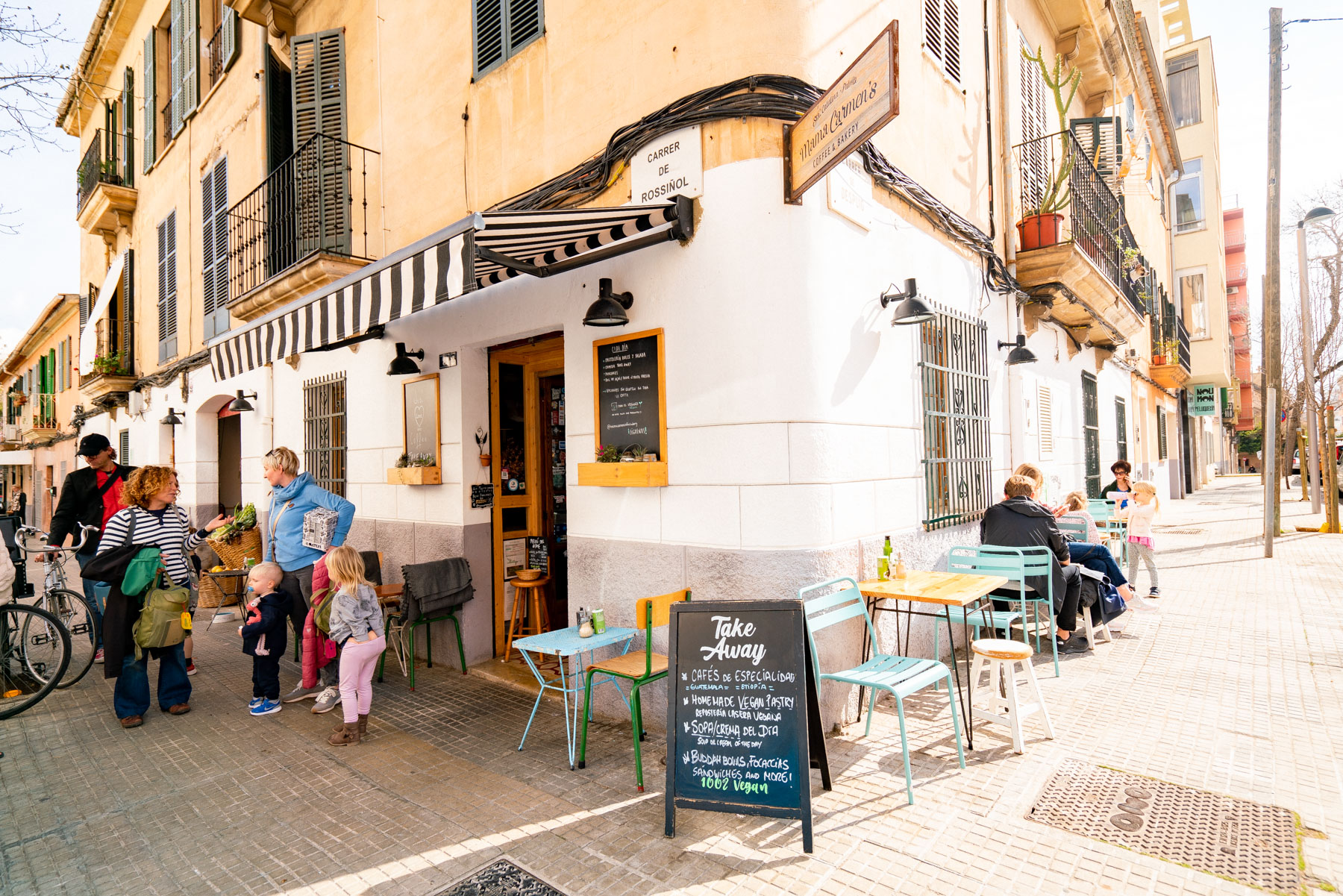
The capital punches way above its weight for a city its size. Santa Catalina is the neighborhood for restaurants and wine bars, and it’s walkable enough that you can try three places in one evening without calling a cab. The Old Town has the cathedral, narrow stone streets, and more charm than it knows what to do with. And Portixol, a former fishing village on the east side, has this quiet local energy that feels nothing like a tourist zone.
You can walk everywhere in Palma, which is rare for a Mediterranean island capital. The food scene is legitimately great and getting better every year. Mercat de l’Olivar is a must for morning coffee and fresh produce, and the tapas bars in La Lonja stay open late without feeling like tourist traps. If you want specific recommendations, I wrote a whole guide to the restaurants in Mallorca that covers the best spots in the city.
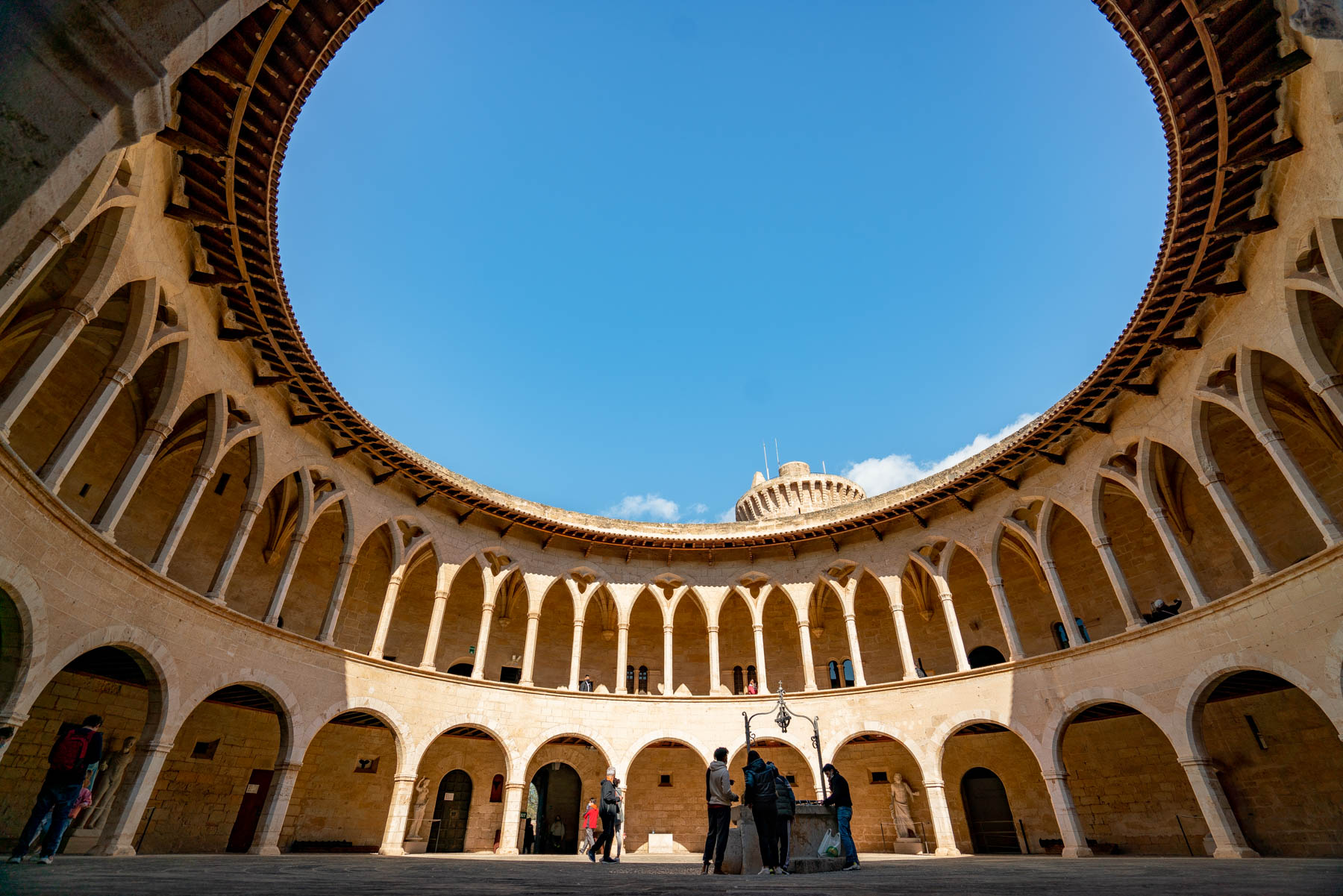
The only real downside is the beaches. City beaches like Can Pere Antoni are fine for a quick dip but they’re not going to blow your mind. If you want *that* Mallorca beach experience, you’ll need to day-trip east or north. The bus system from Palma is decent enough for that, or you can rent a car for a day or two.
Mid-range hotels run €150-250 per night, with boutique options in the Old Town and more modern spots in Santa Catalina. This is the best base for solo travelers, hands down. And you don’t need a car here, which saves you a surprising amount of money and stress.
Sóller and Port de Sóller (Best for Hikers)
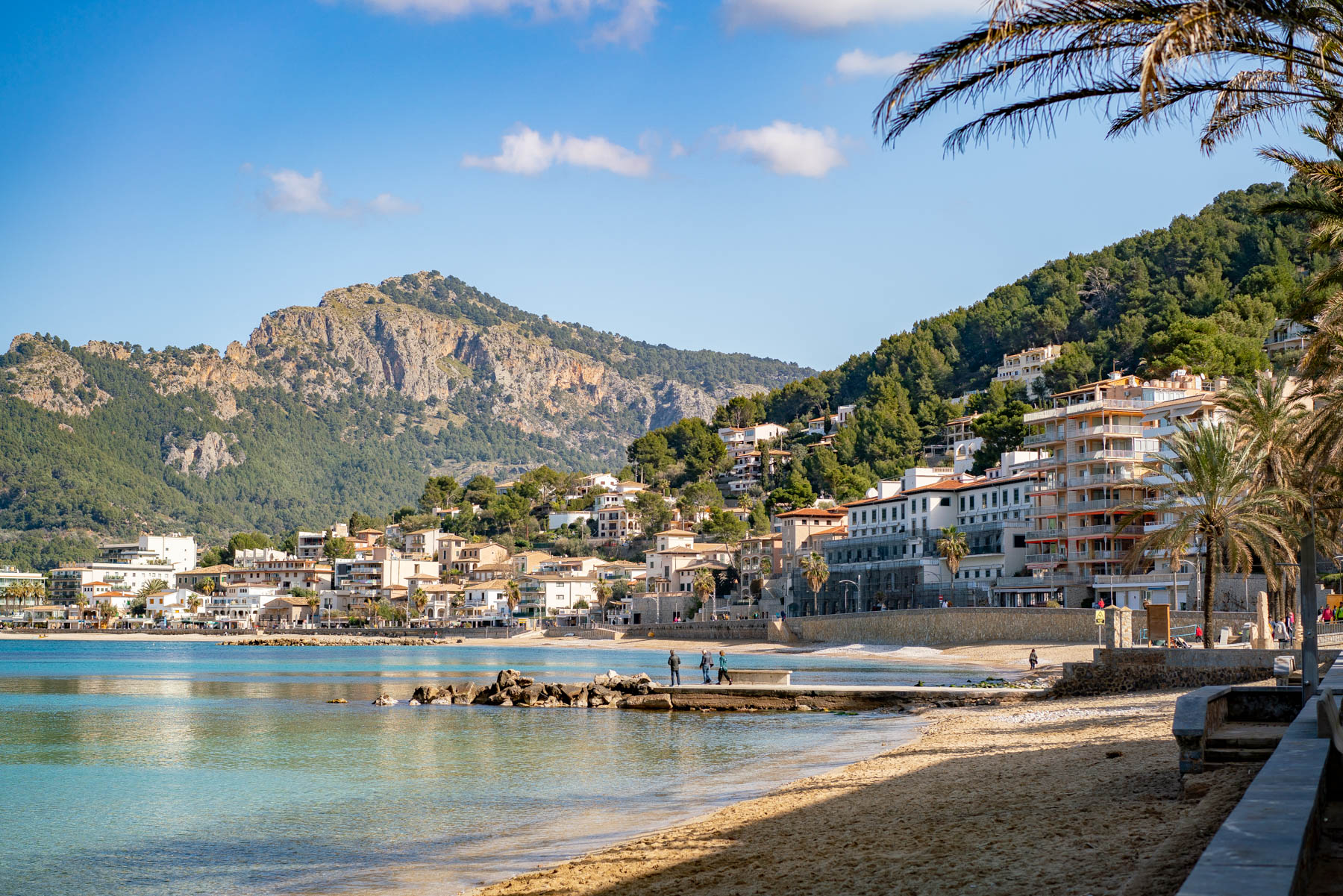
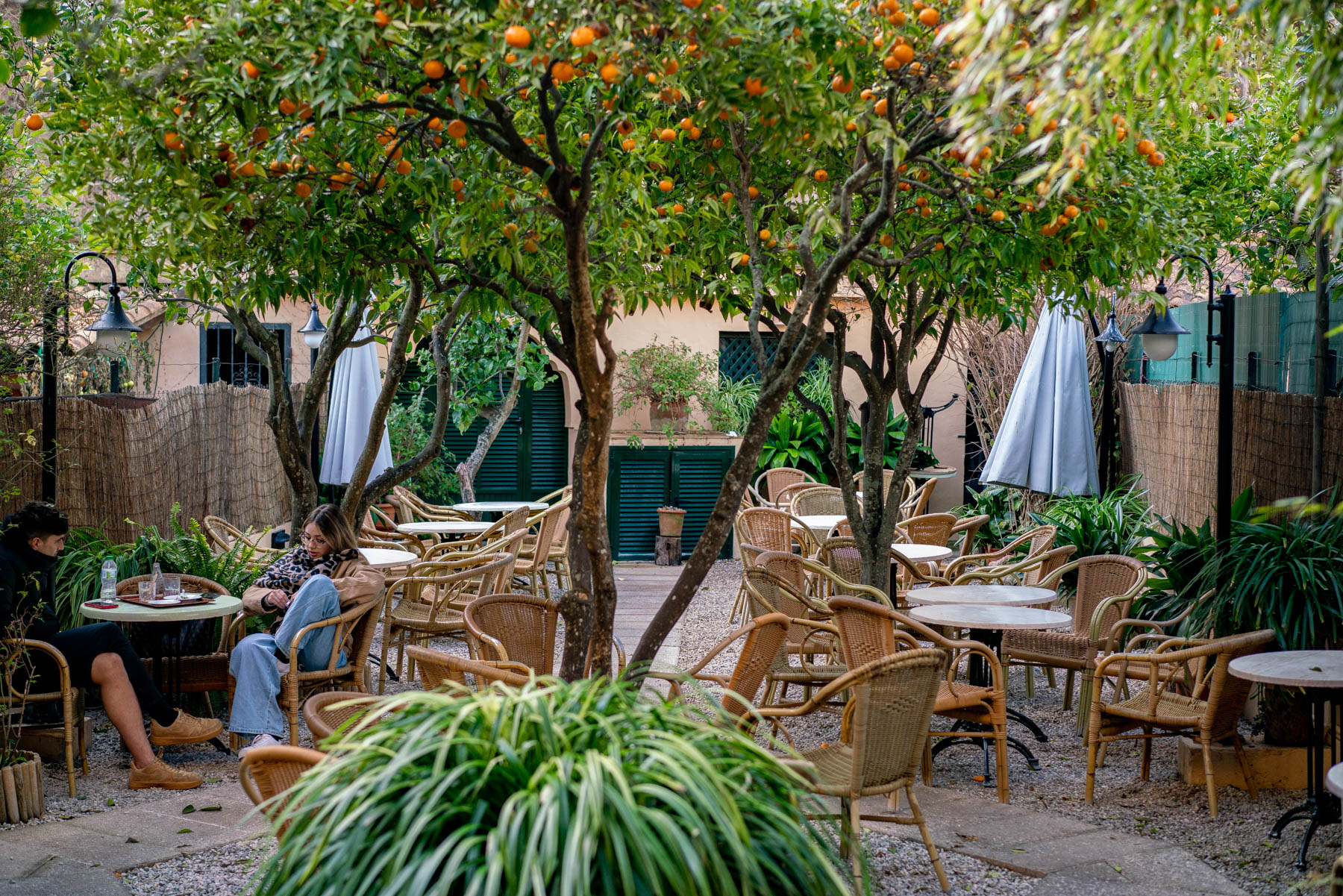
These are two connected but very different places. Sóller is a mountain town sitting in a valley of orange groves, surrounded by the Tramuntana mountains. Port de Sóller is the beach village down the hill. A vintage wooden tram connects the two, which is cute and also genuinely useful for getting between dinner in town and your hotel by the water.
If you’re here to hike, this is your base. The GR221 long-distance trail runs right through the area, and the Barranc de Biniaraix gorge hike starts practically from Sóller’s main square. It’s one of the best day hikes I’ve done anywhere in Europe, and I say that having hiked in a *lot* of places. The trail climbs through ancient stone terraces with views that keep getting better the higher you go.
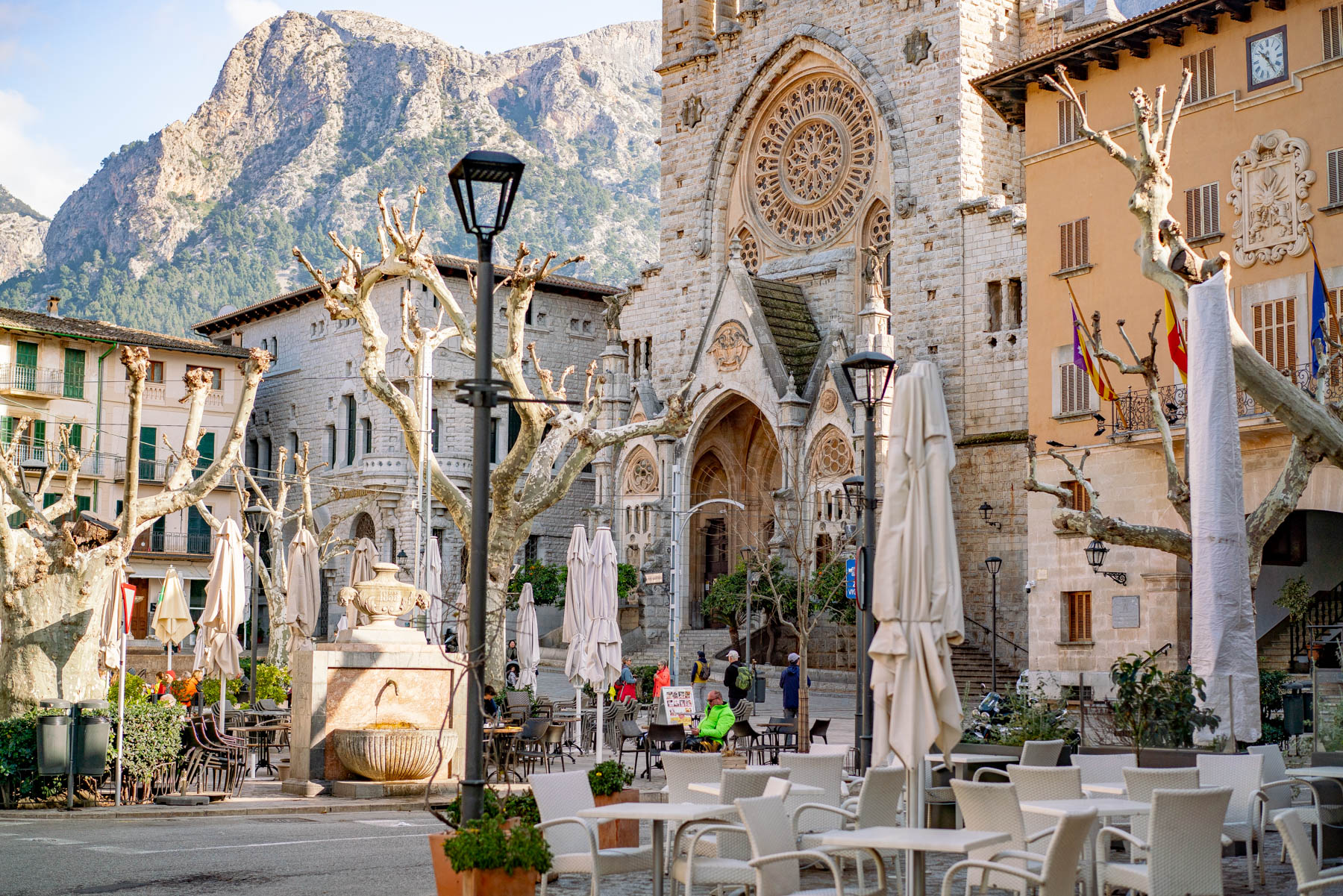
Sóller town itself has a gorgeous central square with Art Nouveau buildings, a handful of excellent restaurants, and an ice cream shop that always has a line (for good reason). Saturday morning is market day, and the square fills up with local produce, flowers, and way too many tourists with selfie sticks. Go early.
The historic train from Palma to Sóller is charming in a “we’re all taking photos of each other” kind of way. It’s €25 each way though, which feels steep for a 30-minute ride. If you want the experience without the crowd, take the 9am departure. Or just drive over. The tunnel is quick and free now.
Port de Sóller is genuinely family-friendly with a curved bay and calm water. Hotels run €120-250. I’ll be honest though, the beach at Port de Sóller is mediocre compared to the east coast. You’re here for the mountains, not the sand.
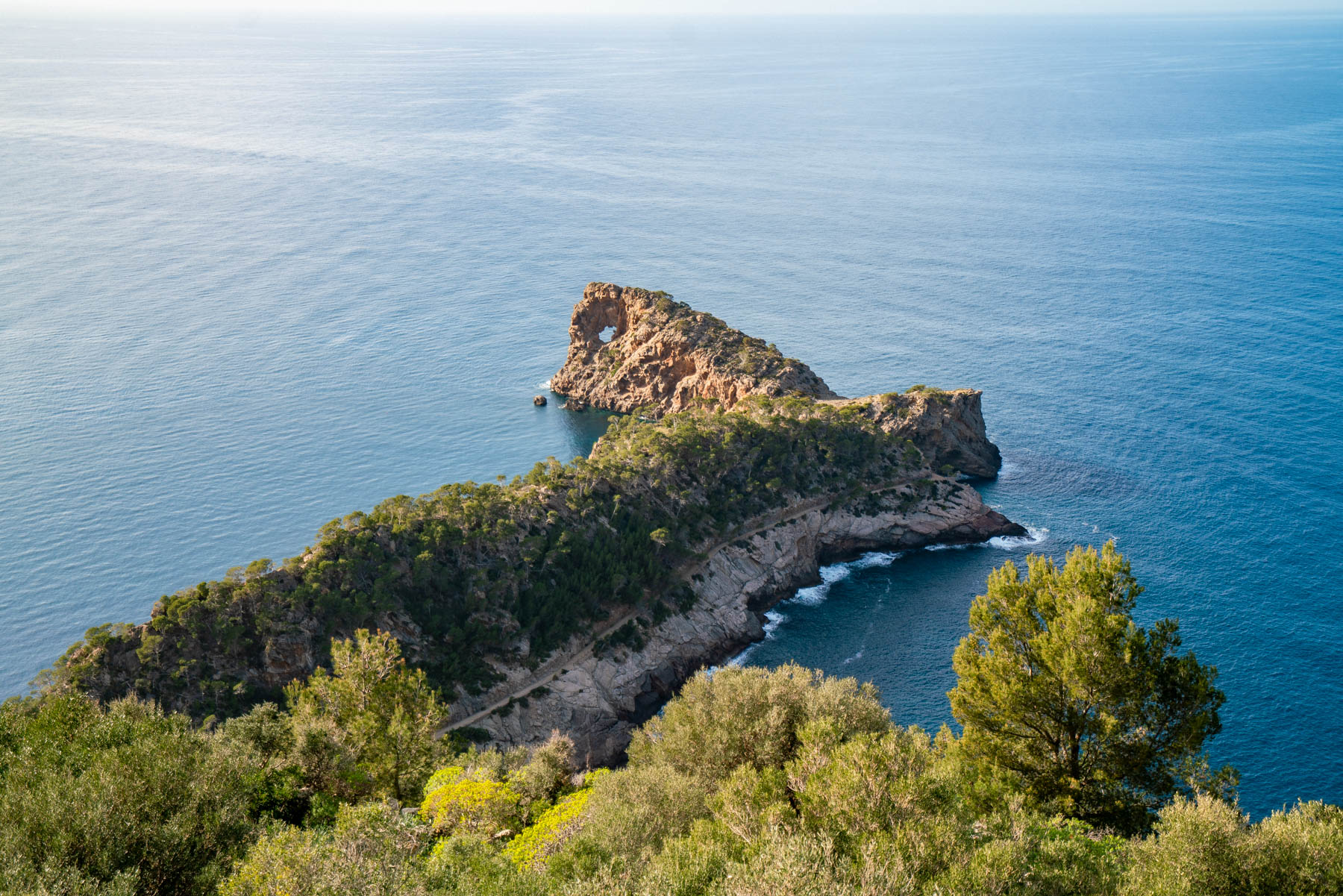
Deià (Best for a Splurge)
Robert Graves moved to Deià in 1929 and basically never left. I understand why.
This is a tiny village (population 700) clinging to a hillside above the sea. It’s expensive, quiet, and genuinely one of the most beautiful settings in Europe. I’m not being dramatic. The way the stone houses stack up the mountain with the Mediterranean below is the kind of thing that makes you reconsider your life choices.
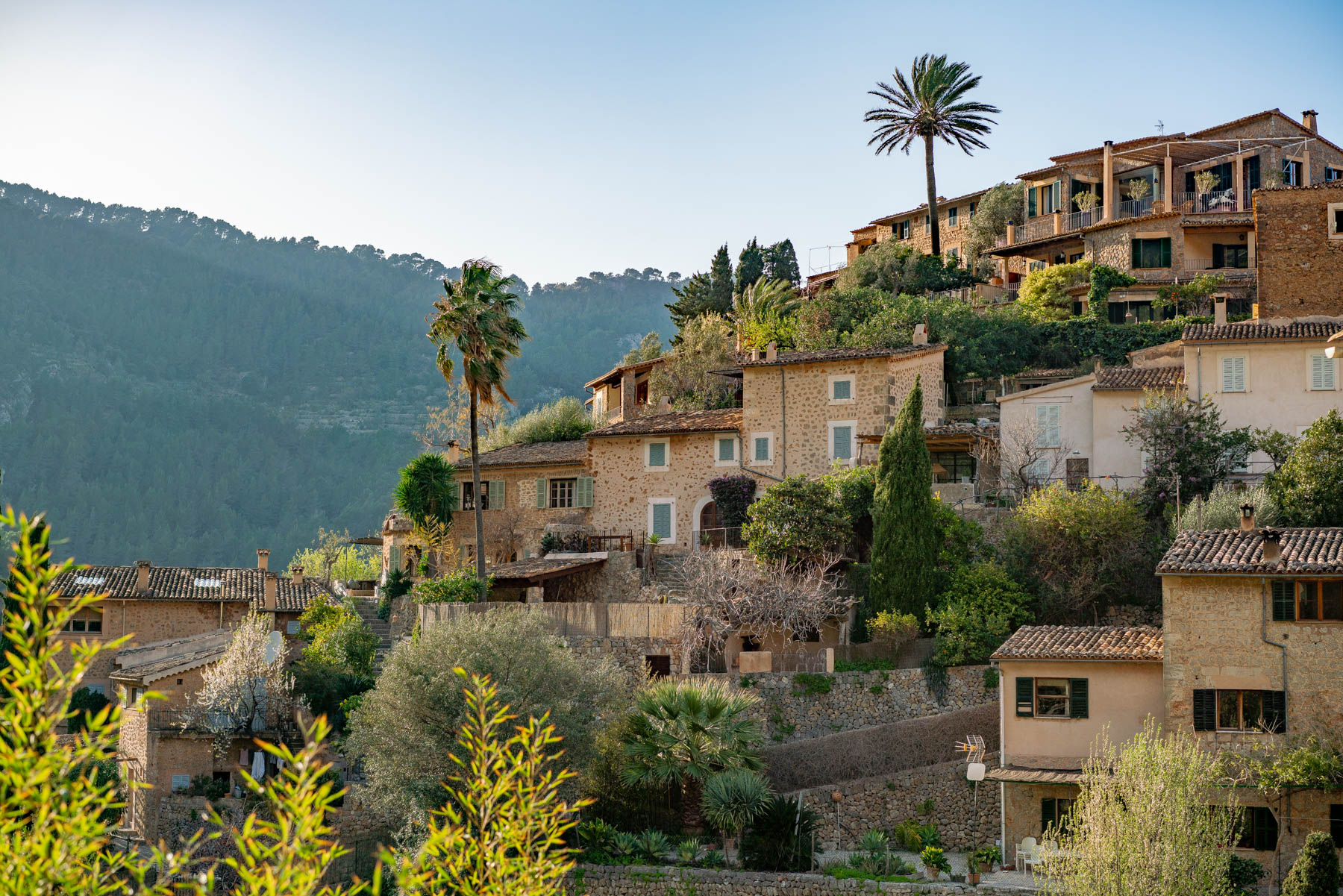
La Residencia by Belmond is the iconic hotel here, running €500-1200 per night depending on season. It’s the kind of place where you eat breakfast overlooking terraced olive groves and wonder how regular life is supposed to compete with this. The spa is excellent, the restaurant is one of the best on the island, and the pool area has a view that would cost you a million dollars anywhere else.
But here’s the thing. Deià is *very* small and *very* quiet after 9pm. Two nights is the sweet spot. Any longer and you’ll start to feel like you’ve seen everything, and the lack of nightlife or variety will hit. There are no budget options here. The cheapest room in town is still going to run you €200+. And Cala Deià, the local beach, is rocky and gorgeous for photos but not really a beach day situation. It’s more of a “swim for 20 minutes and scramble back up” kind of spot.
If you’re celebrating an anniversary or just want to feel like you’re in a movie, Deià is perfect. For anything else, it’s overpriced for what you get.
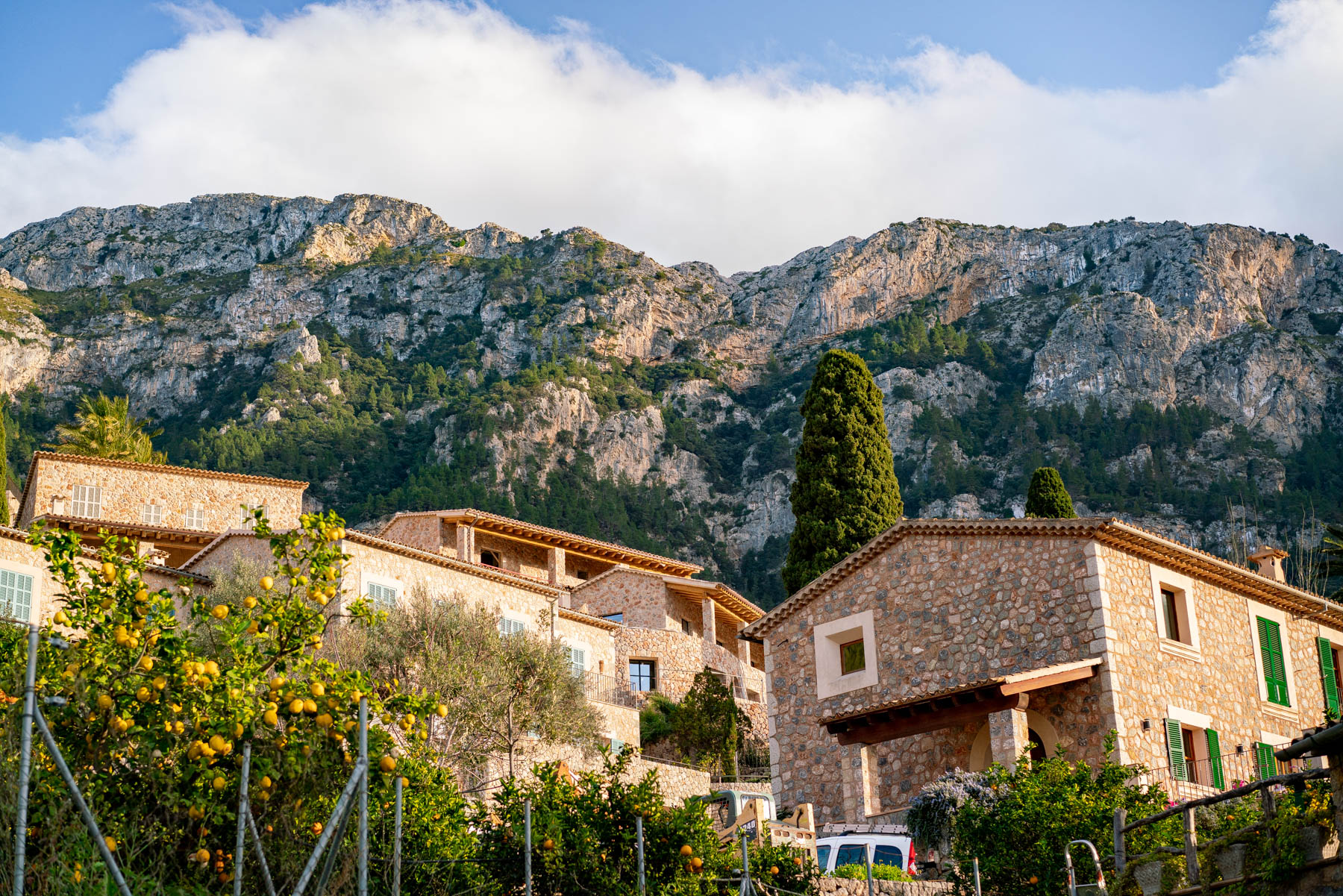
Pollença and Alcúdia (Best for Families)
The north of the island is where families go, and for good reason.
Port de Pollença has calm, shallow water and a relaxed vibe that doesn’t try too hard. It’s pleasant without being fancy, which is sometimes exactly what you need with kids. The promenade is long enough for evening walks, and there are enough restaurants to keep things interesting for a week without repeating.
But the real star up here is Playa de Muro and Alcúdia beach. This is the best family beach on the island and I will die on that hill. Shallow turquoise water that extends so far out you start to wonder if you’re in the Caribbean. The sand is fine and white. Little kids can wade out forever without the water going above their waists.
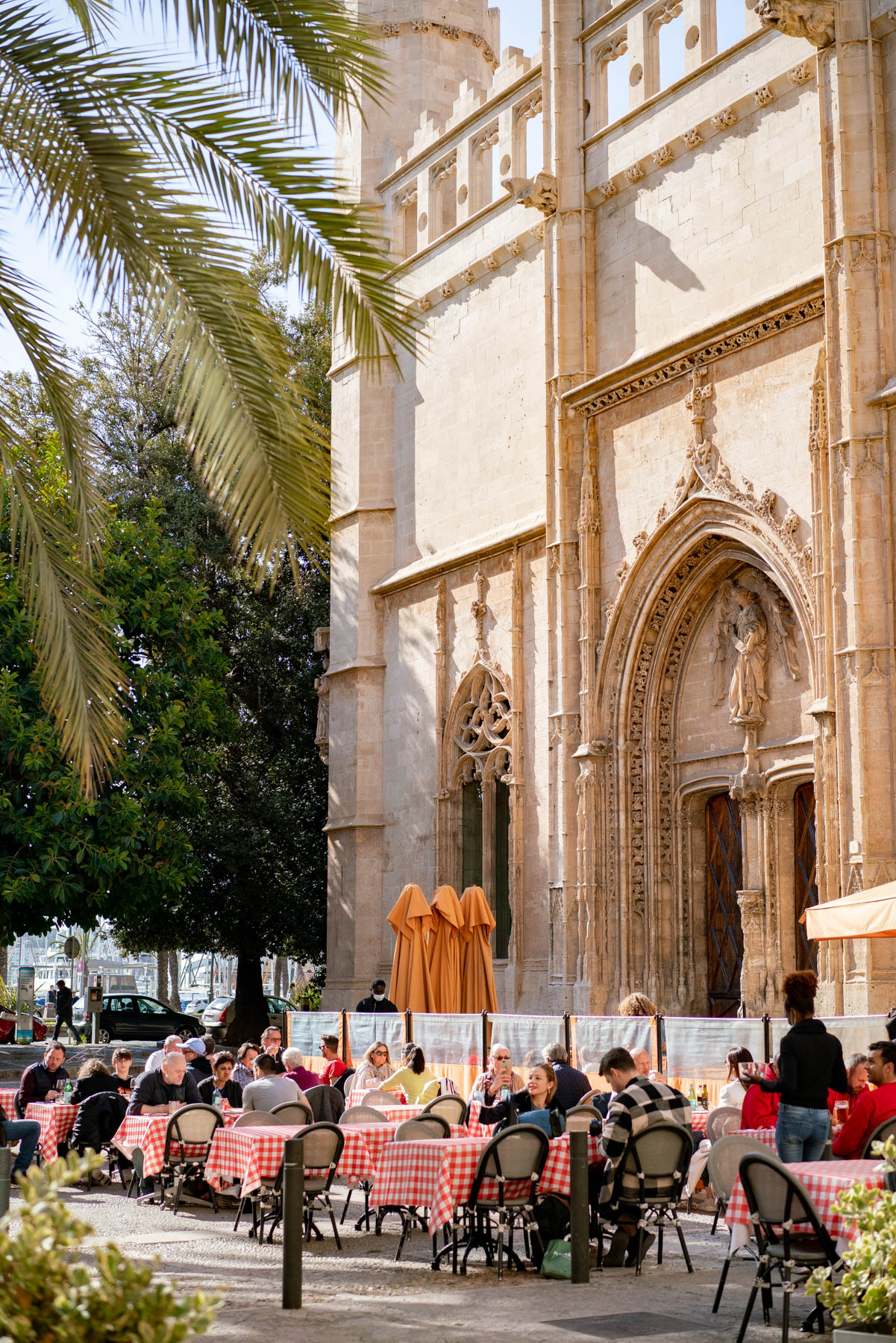
Alcúdia Old Town is worth an evening walk for the medieval walls and the restaurants inside them. The town feels more authentic than the port area and has a Tuesday and Sunday market that’s one of the biggest on the island. Port d’Alcúdia itself is touristy in the way that all Mediterranean resort strips are touristy, but the beach makes up for it completely.
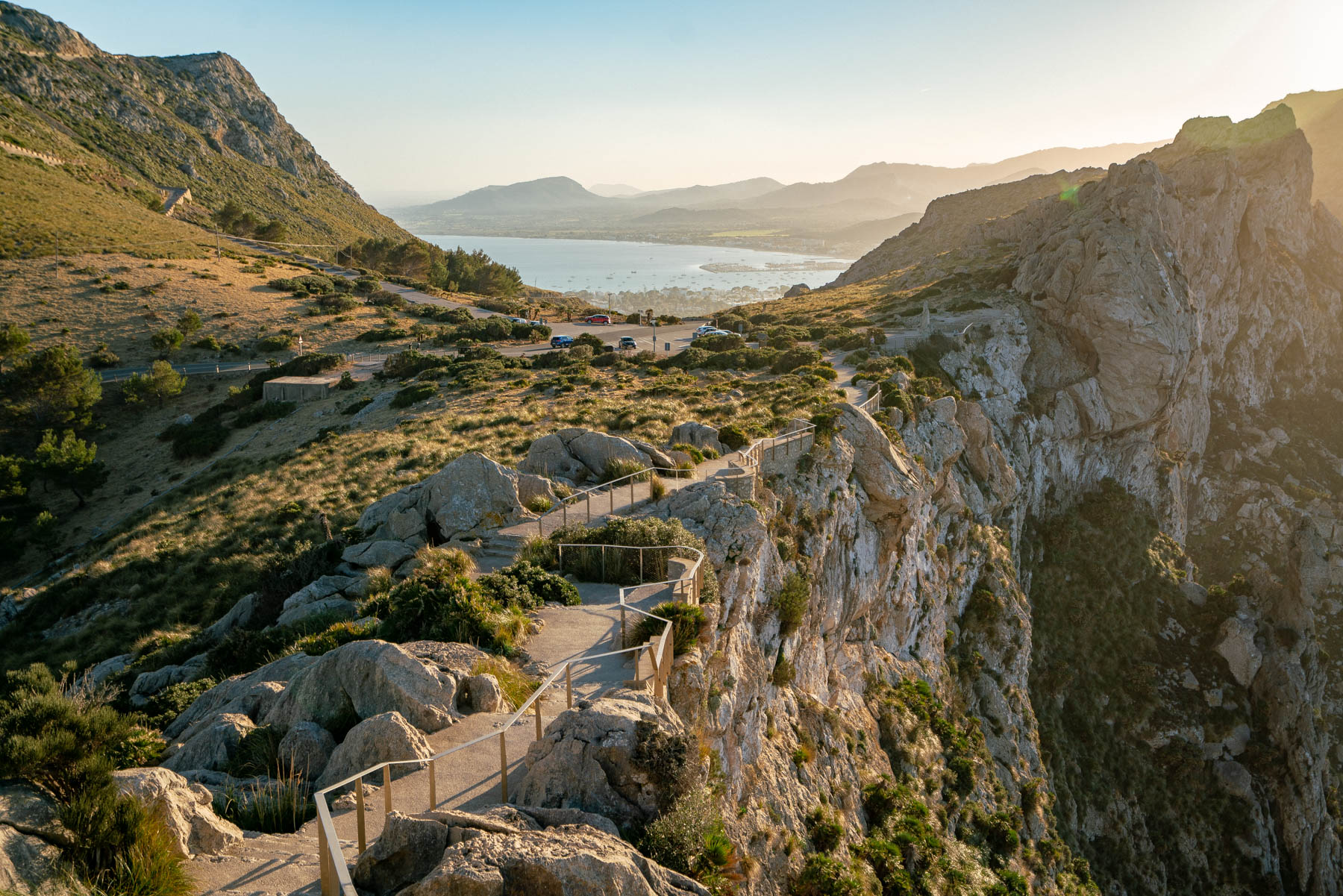
Hotels run €100-250 per night, with a mix of big resorts and smaller family-run places. You also get easy access to Cap de Formentor from here, which is one of the most dramatic drives on the island. The lighthouse at the end is worth the winding road, and the beach at Cala Formentor is another stunner. Check out my guide to things to do in Mallorca for more on Formentor and the north.
The Southeast Coast (Best for Beach Lovers)
If you came to Mallorca specifically for *those* beaches you keep seeing on Instagram, this is where you need to be.
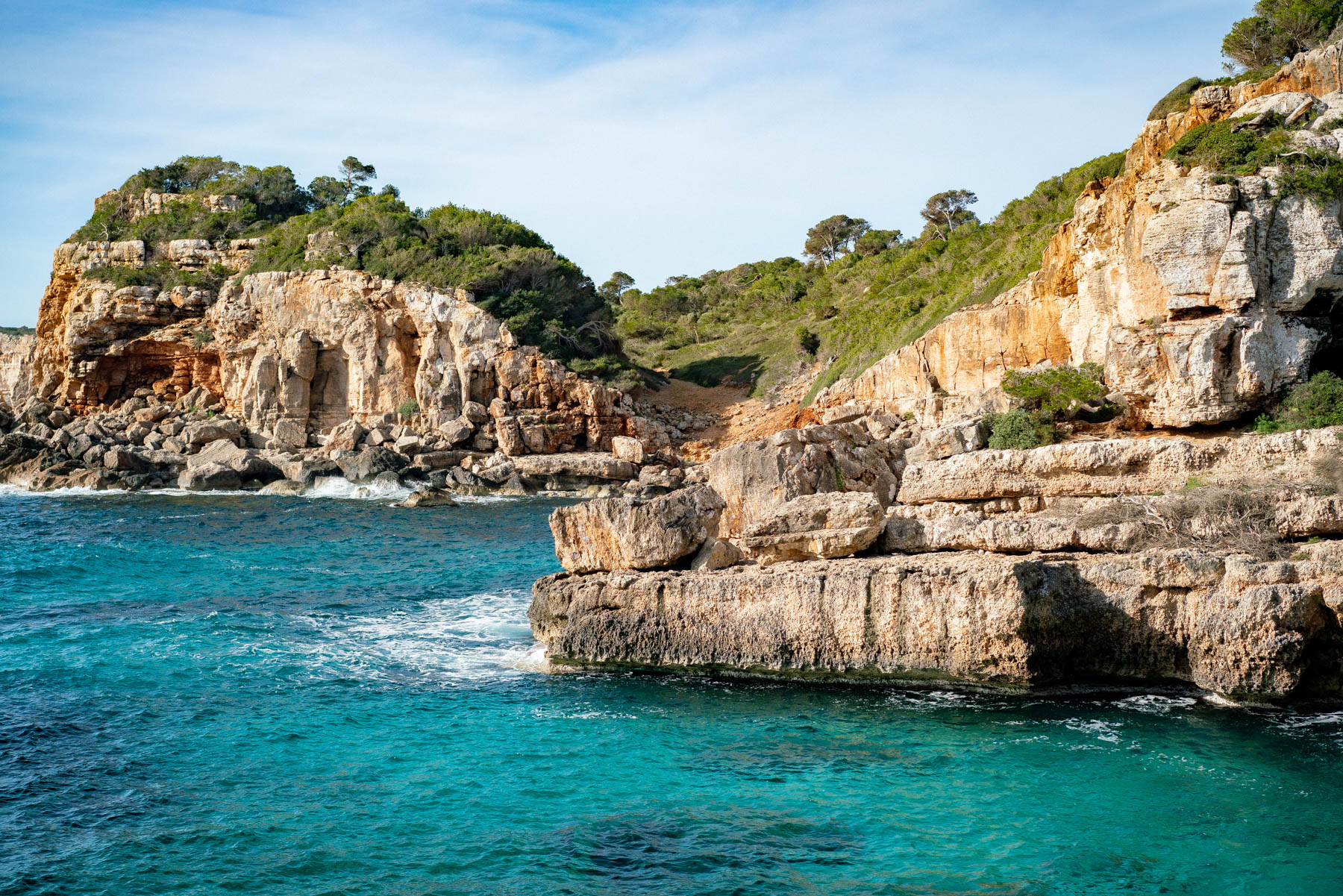
The Cala d’Or and Santanyí area on the southeast coast has the highest concentration of famous calas on the island. Mondragó. Es Llombards. Caló des Moro. These are the postcard beaches, the turquoise coves carved into white limestone cliffs. They’re real and they’re spectacular.
A car is essential here. The calas are spread out along the coast and you’ll want to hop between them, hitting a different one each morning. Most have limited (or no) parking, so arriving before 10am in summer is basically mandatory. Bring snacks and water because some calas have zero facilities.
Santanyí town has more character than the resort areas, with a good Saturday market, stone architecture, and actual year-round life happening beyond tourism. I’d pick staying in or near Santanyí over the generic resorts every time. The Wednesday market is smaller but less hectic.
Fincas and apartments in the area run €100-200 per night. My biggest piece of advice for this part of the island is to go in shoulder season. May, June, September, early October. The calas get absolutely *destroyed* by crowds in July and August. Caló des Moro in peak summer is less “hidden paradise” and more “subway platform with sand.” For the full list, I have a separate guide to the beaches in Mallorca.
A Finca in the Interior (Best for Decompressing)
This is the most underrated option on the island and honestly my favorite way to do Mallorca.
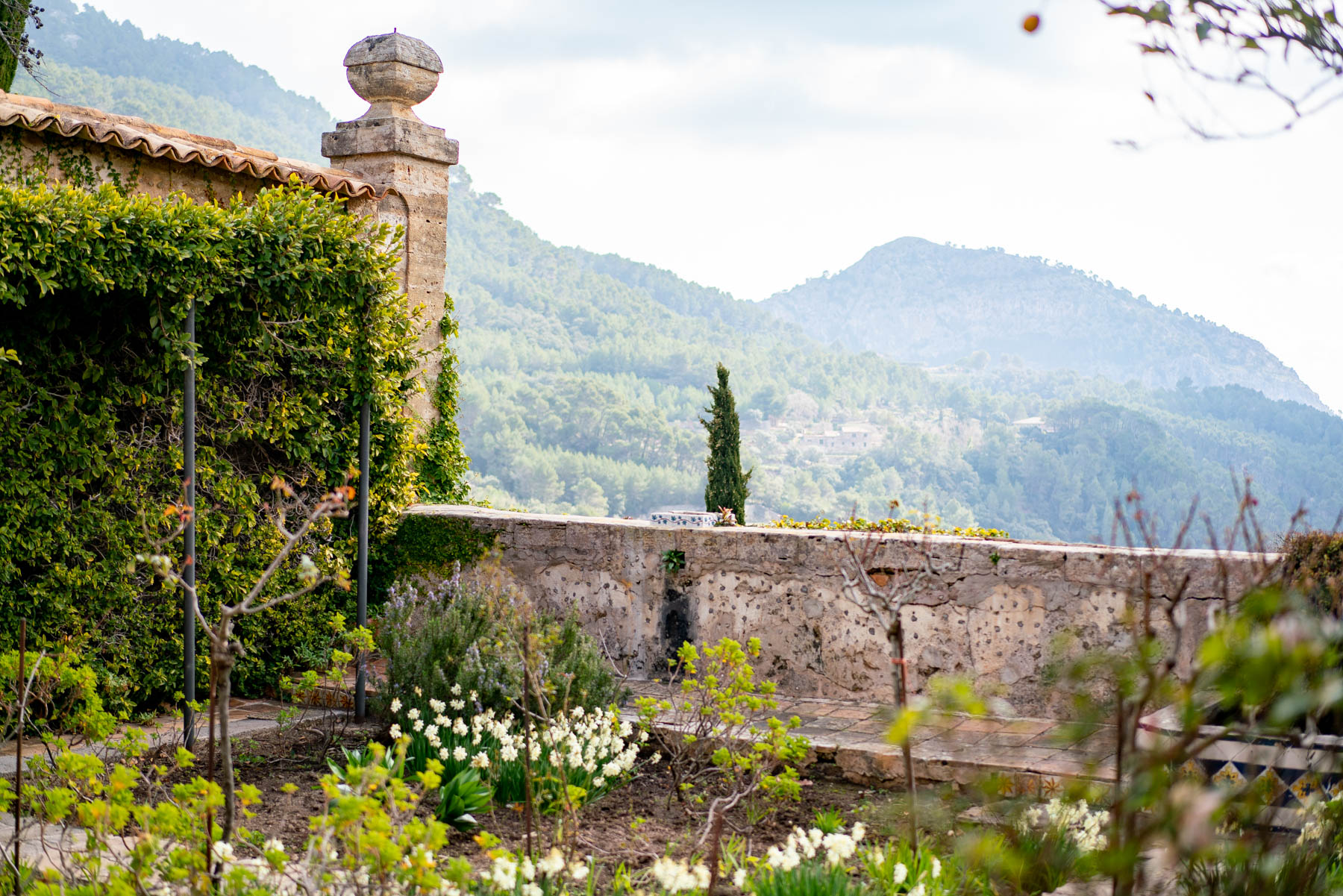
Stone farmhouses with pools, surrounded by almond and olive groves, with nothing but sheep and silence for company. The interior of Mallorca is *beautiful* and most tourists skip it entirely because they’re laser-focused on the coast.
The Binissalem wine country area is particularly smart because it’s central to everything. Twenty minutes to Palma. Thirty minutes to the mountains. Thirty to forty minutes to the best beaches. You can do day trips in every direction without spending your whole vacation in the car. And the local wine is genuinely good. Binissalem has its own DO (denomination of origin) and the reds made from the local Manto Negro grape are worth seeking out.
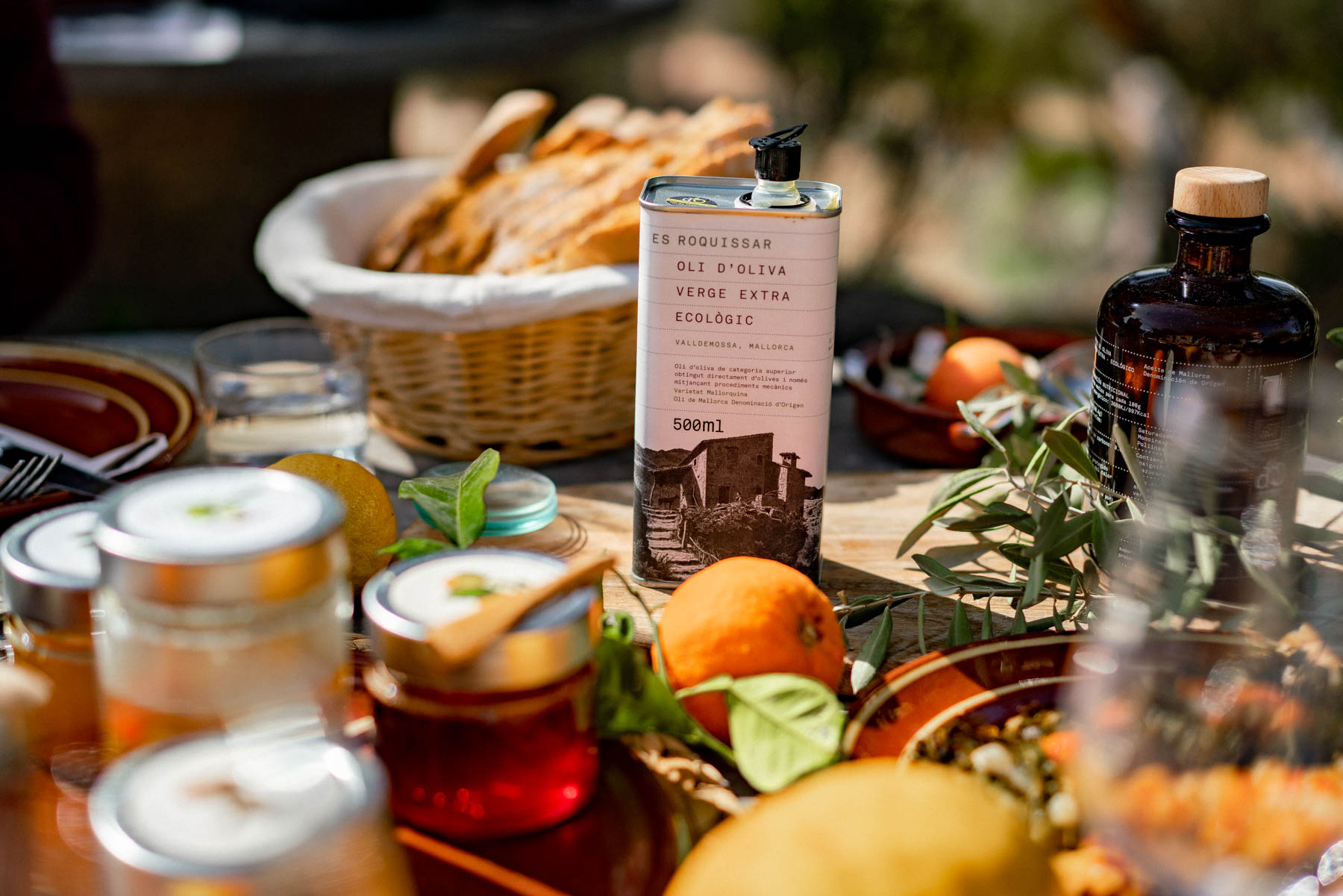
Fincas run €100-250 per night and the value is often better than coastal hotels because you get an entire property with a pool instead of a hotel room. Some of the nicest ones have outdoor kitchens, fruit trees you can actually pick from, and the kind of quiet that makes you realize how loud your normal life is.
You absolutely need a car for this option. But here’s what I’d actually recommend if you have a week or more. Split your trip. Do three or four nights at a finca in the interior and then two or three nights on the coast. You get the best of both worlds and you’ll come home actually feeling rested instead of that weird exhaustion that comes from trying to see everything on a beach vacation.
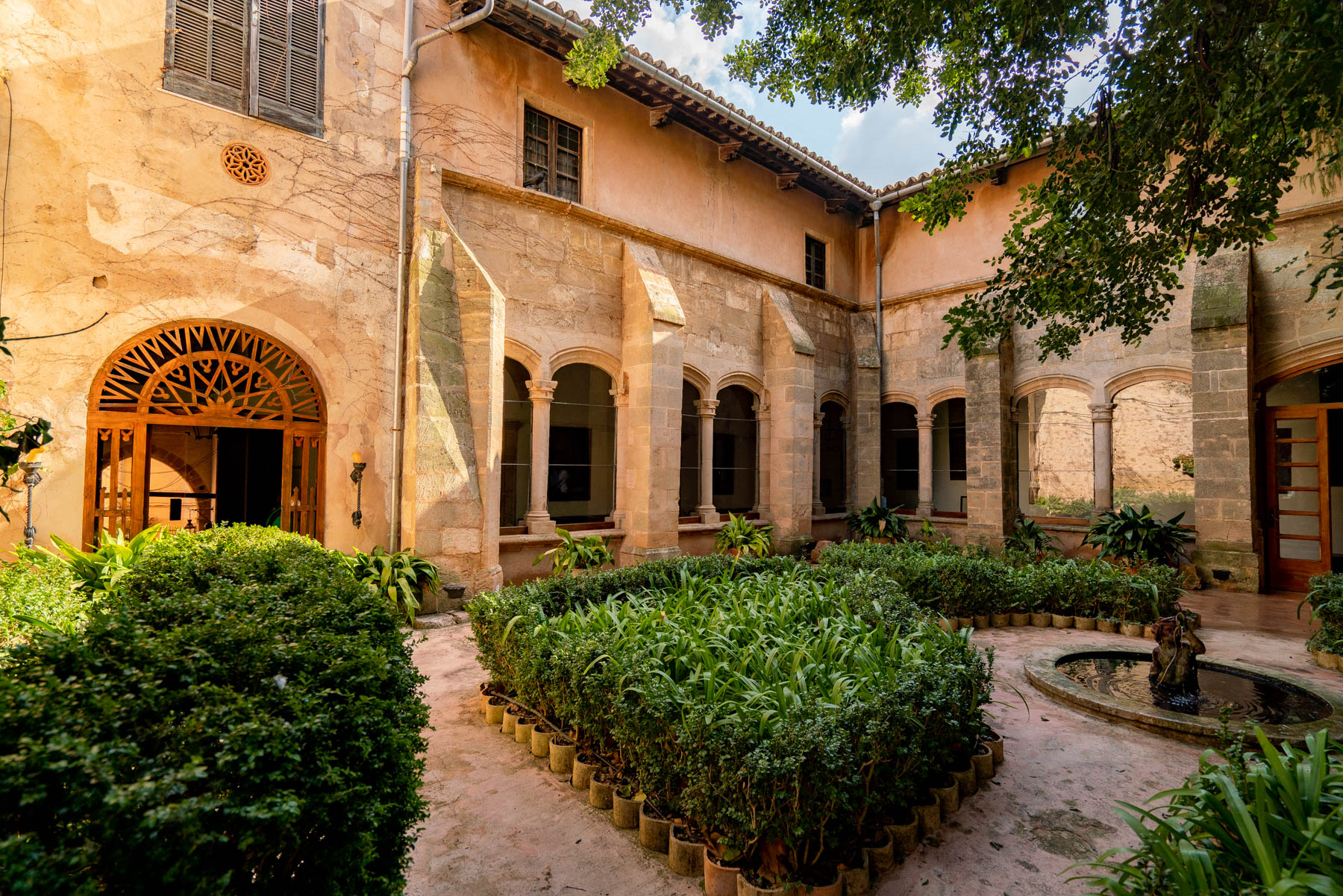
The towns out here are worth exploring too. Sineu has a Wednesday market that’s been running since the 1300s. Artà has a hilltop fortress. Petra is tiny and quiet and has surprisingly good restaurants. None of them are on any tourist’s radar, which is exactly the point.
Quick Guide by Trip Type
Because sometimes you just want someone to tell you where to book.
- Romantic couples → Deià for the splurge, or a luxury finca with a private pool if you want more privacy
- Active couples → Sóller for hiking, or Pollença if you want hiking plus good beaches nearby
- Families with young kids → Playa de Muro, no contest. That shallow water was made for toddlers.
- Families with older kids → Southeast coast for cala hopping and snorkeling adventures
- Solo travelers → Palma. Walkable, social, great food, no car needed.
- Budget travelers → Palma hostels or an apartment in Port de Pollença during off-peak season
- Digital nomads → Palma for the cafes and coworking, or a finca with good wifi if you want isolation
- Luxury → Belmond La Residencia in Deià, or Finca Serena near Montuïri for something quieter
Do You Need a Rental Car?
Yes. Unless you’re only staying in Palma, you need a car.
Public transport exists and technically connects major towns, but it’s slow and it doesn’t reach the best beaches. The bus from Palma to Sóller works fine. The bus to Alcúdia is doable. But trying to get to the southeast calas by bus? You’ll spend half your trip waiting at stops instead of actually being on vacation.
Expect to pay €30-50 per day in shoulder season and €50-80 per day in peak summer. Book well in advance for July and August because the rental fleets sell out. And book an automatic transmission specifically because manual is the default in Spain. If you’ve never driven stick, a winding Tramuntana mountain road is not the place to learn. Trust me on this.
The mountain roads are narrow. Some of them are one-lane with passing spots. It sounds scary but you get used to it fast. The locals drive these roads like they’re in a Formula 1 qualifying lap, but you don’t have to. Pull over, let them pass, and enjoy the views.
Just don’t try to drive into old town centers. Those streets were built for donkeys, not Seat Ibizas, and you will regret it. Palma, Alcúdia, Pollença, Sóller… park outside and walk in. Your mirrors and your sanity will thank you.
Mallorca is one of those places where the *where* matters almost as much as the *when*. Pick the right base for your kind of trip and the island just clicks. Pick the wrong one and you’ll spend half your time driving to the stuff you actually want to do.
My honest recommendation for most first-timers is to start in Palma for two or three nights, then move to the coast or mountains for the rest of the trip. You get the food, the culture, the beaches, and the scenery without feeling like you missed anything. And if you only have four or five days, just pick one base and commit. Mallorca is small enough that you can day-trip to almost anything from almost anywhere.
Stay in Palma if you want restaurants, nightlife, and culture. Stay outside the city if you want beaches and nature. Ideally, split your trip between both.
Alcudia and Pollenca in the northeast are great for families. The beaches are shallow and sandy, and there are plenty of kid-friendly restaurants and activities nearby.
Soller is a beautiful base if you love mountains and want a quieter vibe. The town is charming, the nearby port has great seafood, and you are close to the best hiking trails.







