



As reported in June 2026, Germany has officially terminated its Future Combat Air System (FCAS). 6th generation fighter program with France. now germany I was at a loss as to how to proceed. In the meantime, we are considering purchasing the Eurofighter Typhoon in the 2030s and purchasing additional F-35As (scheduled for first delivery in 2026).
In addition, Germany is urgently developing advanced “Jagdbomberdrohne” (fighter bomber drone) combat drones ahead of its loyal wingman drones. However, Germany faces the problem of its main 6th generation fighter on the front line. Broadly speaking, the post-FCAS options are to join the GCAP/Tempest program (as a partner), lead the development of a new sixth-generation fighter with Sweden and/or Spain, or rely on the F-35 to operate with future autonomous aircraft until the 2050s without Europe’s next-generation fighter.
Why FCAS Failed

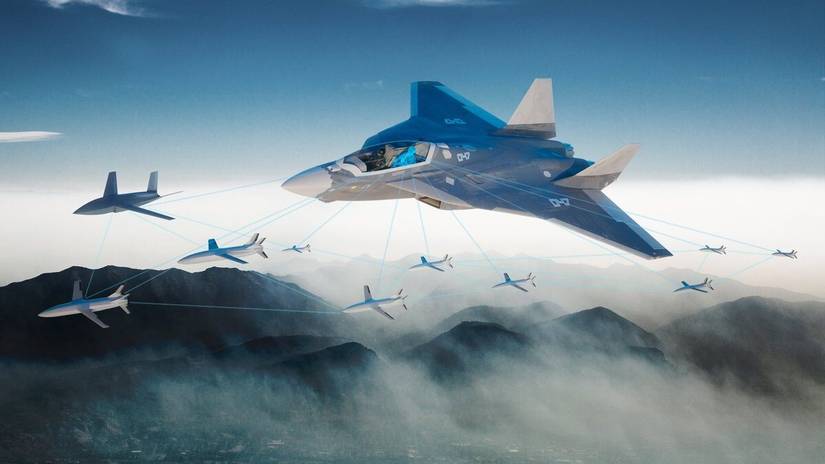
The FCAS program was announced in 2017. Joint European efforts to develop 6th generation fighter aircraft. It was intended to strengthen European unity, cooperation and sovereignty. Importantly, there is no universally agreed upon definition of a “sixth generation” fighter. The term “sixth generation” is part marketing ploy, part clickbait, part shorthand, and part usefulness. The real world is much messier. For example, the “4.5 generation” F-15EX is likely to have more advanced avionics, sensors and networking than the “5th generation” stealth/low observability Russian Su-57.
FCAS included three core countries: Germany (Airbus), France (Dassault), and Spain (Indra). In some ways, FCAS mirrored the Eurofighter program of the early 1980s, when France was initially involved in the project and then split off, going their separate ways and developing the Rafale independently. French-specific factors include the country’s emphasis on strategic autonomy and its diverse requirements (e.g., a possible variant of an aircraft carrier). By 2025, Dassault is reportedly demanding 80% work sharing and essentially control of the program.
It is unclear whether the 80% report is entirely accurate, but Germany’s Airbus found it unacceptable. From Germany’s perspective, it would be reduced to a support role, funding French fighter planes. Spain seems largely left out of the debate. Trust between Dassault and Airbus broke down and little actual work was done on the jet for over a year. Governments have tried to reconcile the industry, but in June Germany decided that was not possible and that FCAS would only delay Germany’s acquisition of the country’s next-generation fighter jet.
Why Germany is Buying More Eurofighters

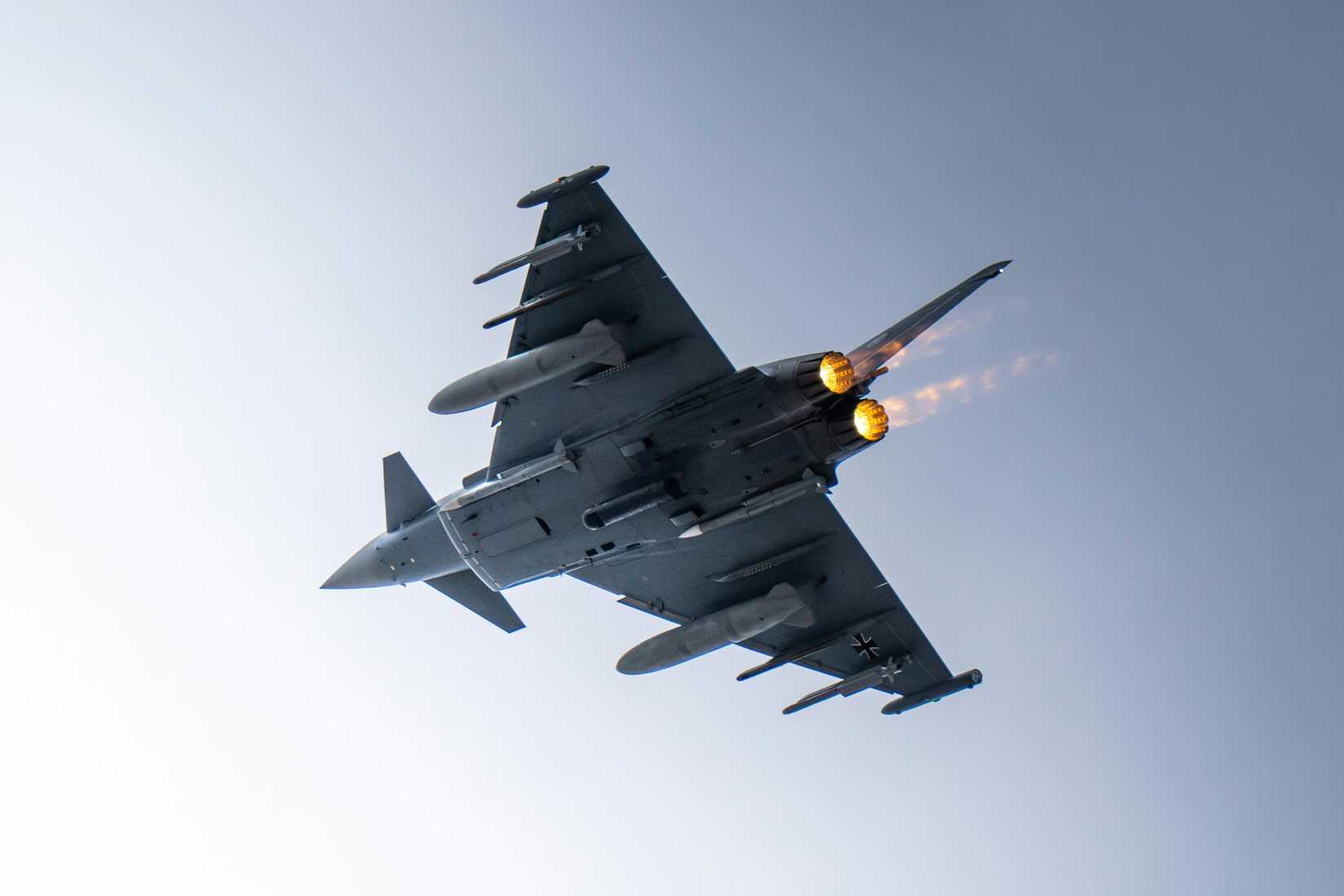
In October 2025, the Eurofighter Consortium reported that the German Air Force had ordered an additional 20 Tranche 5 Eurofighter jets, expected to be delivered between 2031 and 2034. This is in addition to the 38 Eurofighters already ordered by Germany as part of Project Quadriga. There are several reasons why Germany ordered this fighter jet.
One reason is that Germany was shocked by Russia’s invasion of Ukraine and is now rearming and plans to be ready for war by 2029. Germany continues to rely on its aging fleet of Panavia Tornado swing-wing fighter jets, which are due to be retired. The new Eurofighter offers a generational leap forward over the existing Tornado.
|
German Air Force Tactical Fleet (current/planned) |
number in service |
Order number (based on Eurofighter Consortium, etc.) |
|---|---|---|
|
Panavia tornado |
84 |
|
|
Eurofighter Typhoon |
141 |
58 |
|
F-35A |
35 (+35 under consideration) |
|
|
Jagdbomberdrohne (Advanced Combat Drone) |
approximately. The 400 is evolving into your loyal wingman drone. |
|
|
The next generation European fighter aircraft of the future |
FCAS folded. |
Another main reason is This Eurofighter was built in Germany (with extensive input from the UK, Italy and Spain).. For Germany to develop a 6th generation fighter jet, the fighter industry must be supported. When orders are lost, factories close, supply chains are disrupted, engineers move elsewhere, and know-how is lost. It is important for the UK, Germany, France and Italy to continue producing fourth-generation fighters until their industries transition to sixth-generation fighters.


World’s largest air force by number of F-35s
Take a closer look at the world’s best F-35 fleet.
Buy more F-35s as bridge aircraft

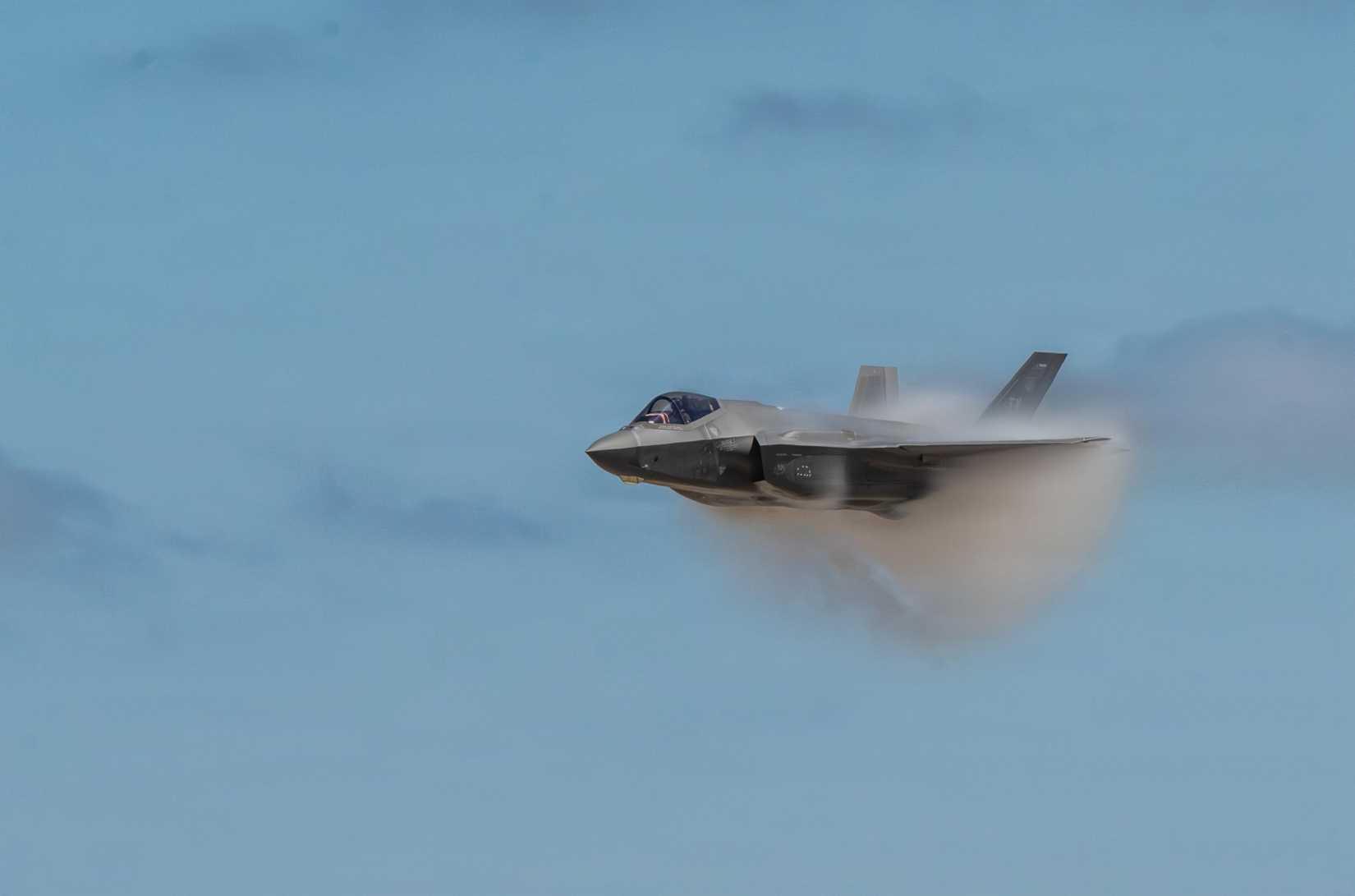
Despite all the negative press about the F-35, this jet is currently the most capable fighter jet on the market by a significant margin. It is the only aircraft in its class. Leaked Canadian rivalry demonstrated between F-35A vs. Saab Gripen + GlobalEye. (95% vs. 33% scores respectively). What is important is that the F-35 is an important driving force for the 4th generation fighter. Operating a reasonable number of F-35s could significantly improve the performance of the Eurofighter and other jets.
In the Royal Air Force, the Eurofighter (Typhoon) is called a ‘thug’ and the F-35B is called an ‘assassin.’ Another reason Germany should buy at least a few F-35As is because it participates in NATO’s nuclear sharing. As the Tornado jets are retired, there is a need for an aircraft capable of carrying the U.S. B61 nuclear gravity bomb.
The F-35 is seen as an important bridge aircraft that could bridge the gap between today’s aging German jets and future European sixth-generation jets expected in the 2040s. Germany has a firm order for 35 F-35As and there have been reports that it will order 15 more. However, in February 2026, Reuters reported that Germany was considering doubling its order to 70 F-35As, but stressed that no final decision had been made. The collapse of FCAS raises the possibility that Germany will increase its F-35 purchases.
GCAP/Tempest options in Germany

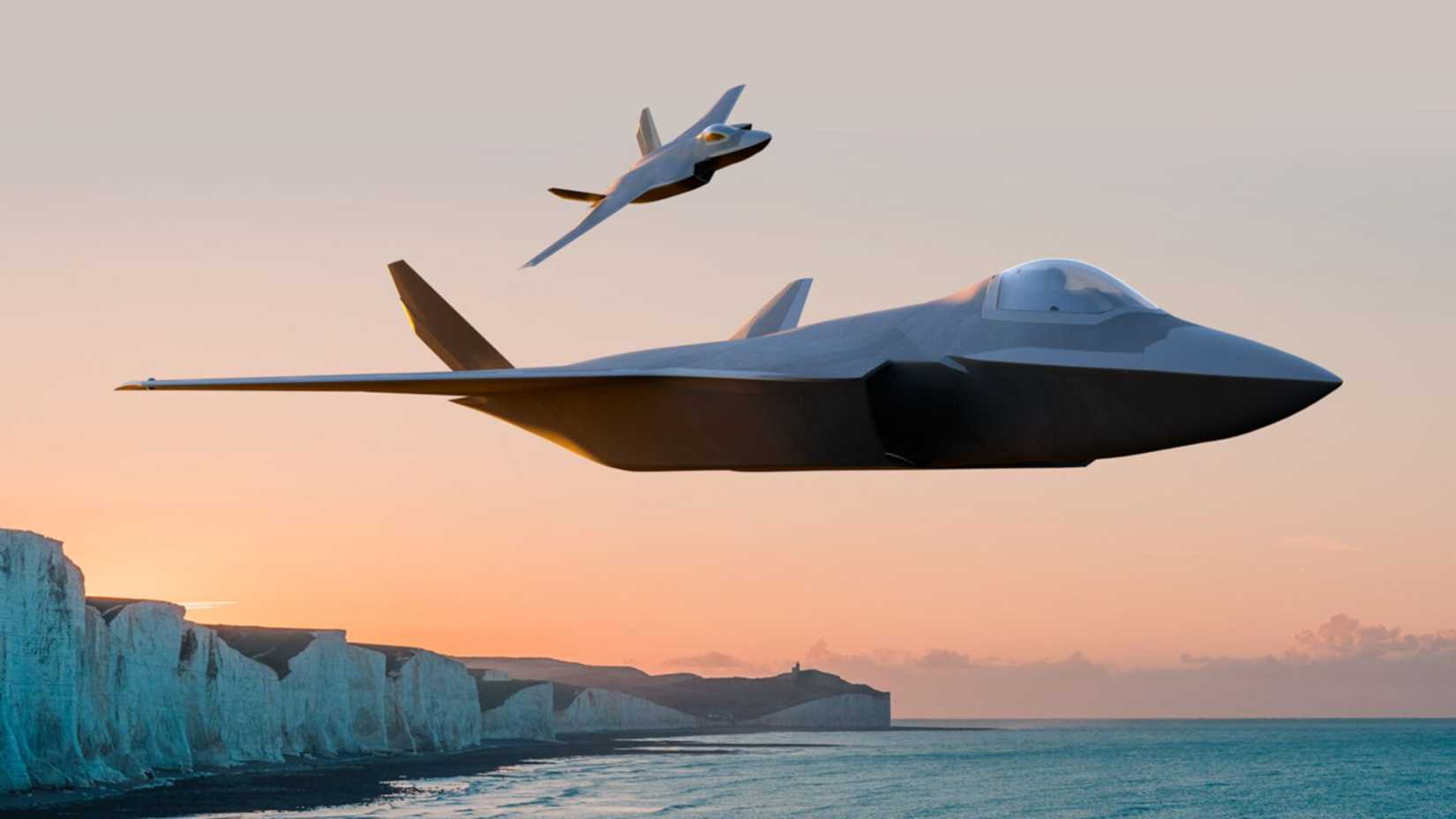
One of Germany’s main options is to join its former rival in FCAS, the GCAP/Tempest sixth-generation fighter program. This is an effort being pursued by the UK, Italy and Japan. but, Britain said it welcomed Germany’s membership.Japan is known to be sensitive to delays in renegotiation and wants to operate it until 2035.
The biggest problem is that GCAP has already advanced through its development cycle and major work-sharing agreements have already been signed. The first demonstration devices are already in production at BAE Systems. This makes it very difficult to accommodate large industrial partners such as Germany, and makes it less likely that Germany will join as an equal.
Germany is likely to contribute financially and support programs such as Combat Cloud, Loyal Wingman drones and other related systems, but is likely to contribute less to core aircraft. It is unclear whether this would be acceptable to Germany, which wants to preserve its own fighter jet industry. This is a big reason to end FCAS. GCAP offers the best sovereign European solution, potentially on a reasonable timeline. The jet is optimistically planned to be operational within 10 years.
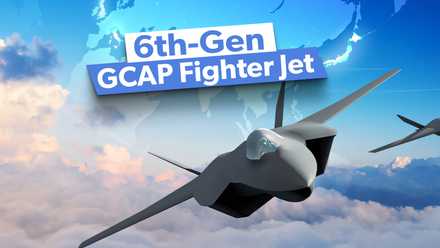
6th generation GCAP fighter: what you need to know about the BAE Systems, Leonardo and JAIEC joint venture
What does the future of air warfare look like for NATO and other U.S. allies? The 6th Generation GCAP International Program is currently working hard to find a solution.
Saab options in Germany

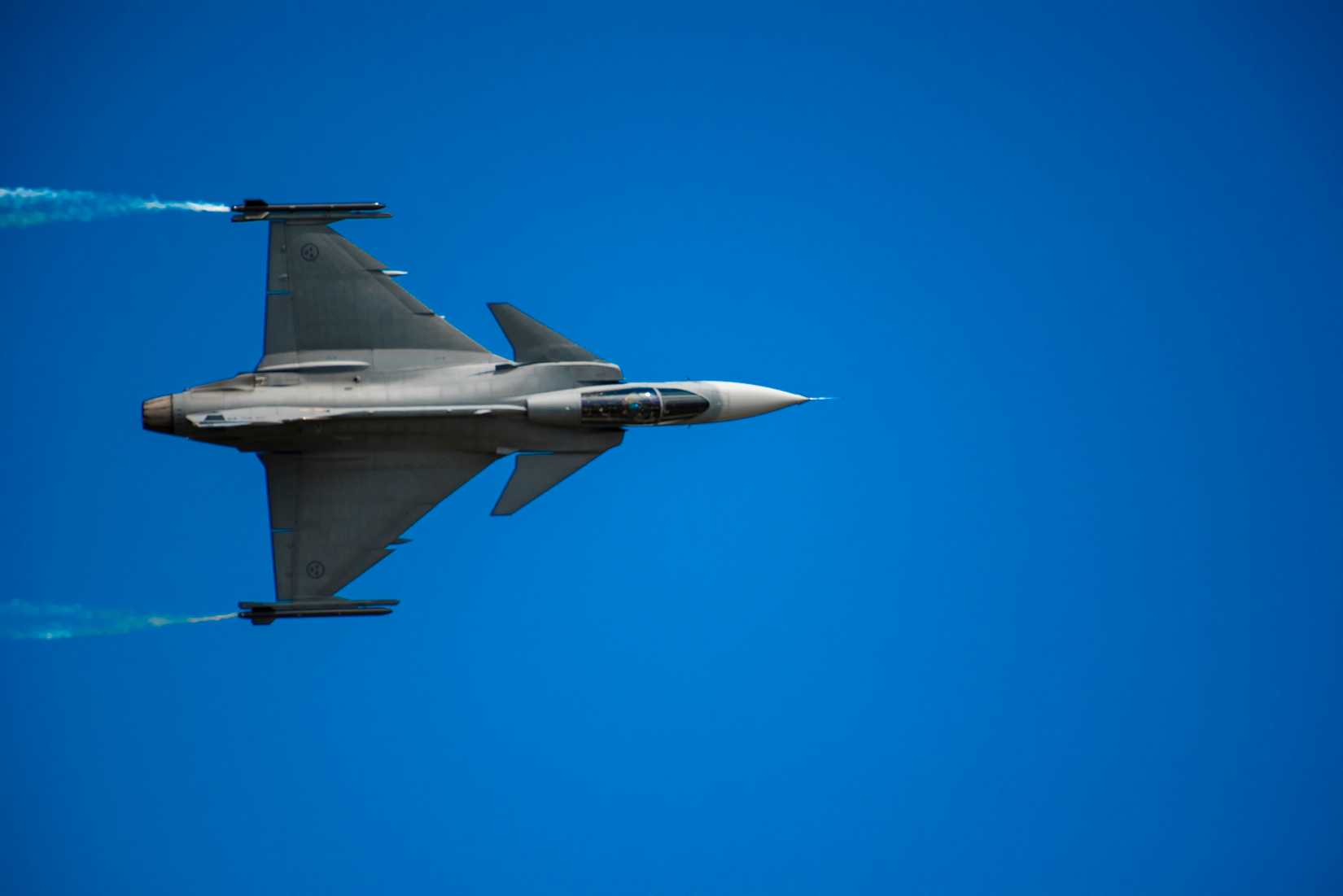
Another option for Germany is to build a new fighter jet with Sweden’s Saab. Saab produces the JAS 39 Gripen fighter jet. This option also has several benefits and challenges. On the one hand, this is a project in which Germany can lead, providing major work sharing for German industry. German industry is already collaborating with Saab (as opposed to Dassault) and has expressed satisfaction with the cooperation.
However, this will be a costly and risky project. Producing a true sixth-generation fighter jet would be enough to tax every country’s aerospace industry. (Excluding the US and China) Right to the core. This is a large-scale, make-or-break project. The UK, Italy and Japan are all G7 countries with advanced aerospace industries, and GCAP is already straining their industries and budgets.
Importantly, the study shows that there is only enough demand for two next-generation European fighter jets. France’s Dassault is expected to go its own way and develop the next generation 5+ or 6th generation fighter, followed by the GCAP. It is unclear whether it would be feasible for Germany to develop a third fighter jet. In June 2026, Reuters reported that Germany’s Airbus was favoring Saab as its preferred partner.
Other Options and Complications
Spain is often left out of all these discussions, but it is unclear what Spain will do with FCAS now dead. Germany has the option to produce fighter jets with Spain and without France. Alternatively, it is unclear whether Germany could forge a union with Spain and Sweden. Some say that extremely expensive, make-or-break fighters that take decades to develop are not wise investments.
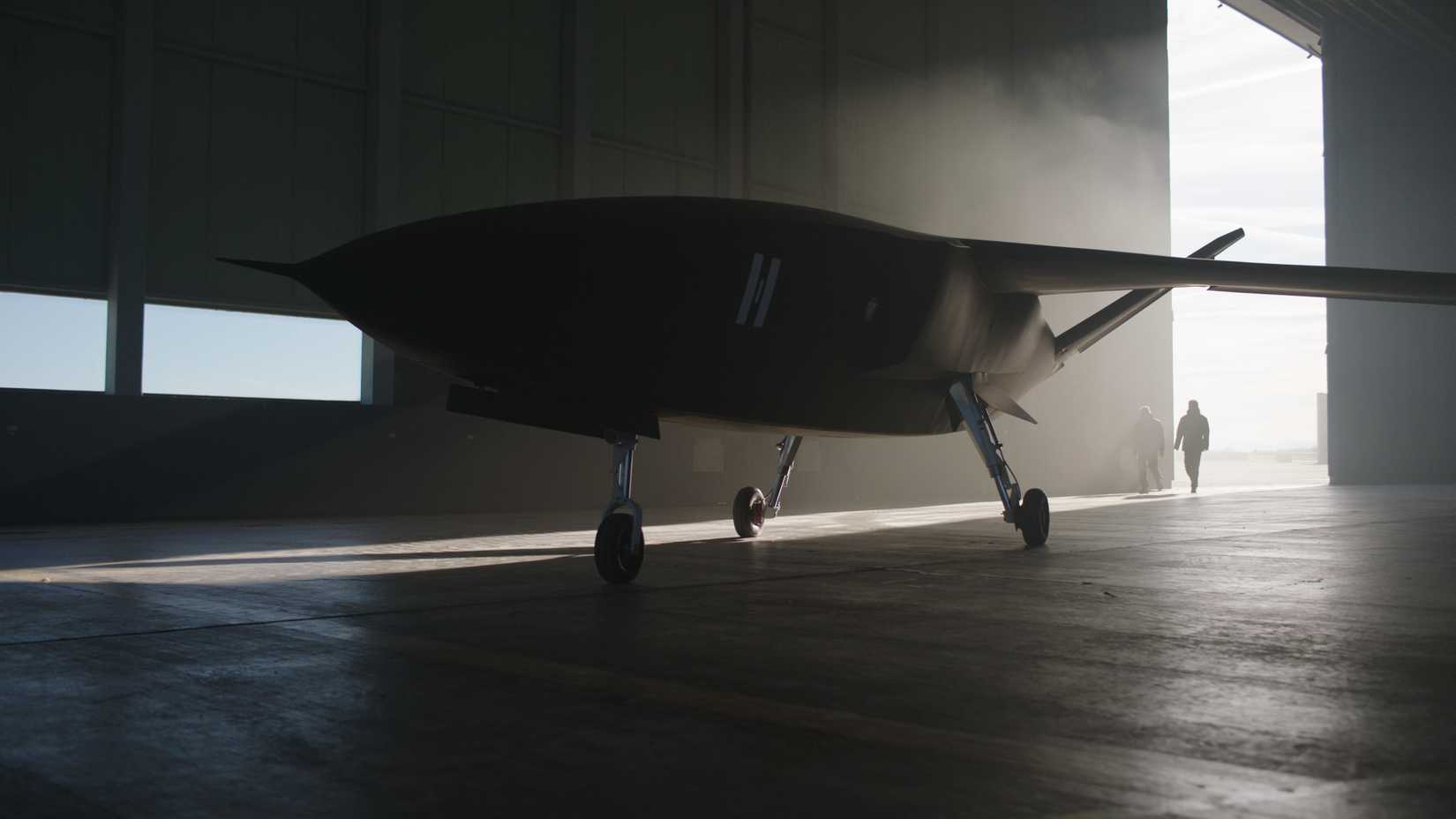
Some suggest that by the mid-21st century, unmanned platforms will either replace manned fighter jets or, given the time and resources required, be a better investment. US-based Shield AI defense contractor has unveiled its X-Bat tail-mounted VTOL autonomous combat aircraft. The aircraft is marketed as a truly unmanned fighter rather than a combat drone that complements traditional fighter jets. overhead, The United States is evaluated to have an overwhelming advantage in the development of unmanned combat aircraft.Includes a loyal wingman drone.
Even so, Germany’s development of unmanned fighter jets is also significant. Germany has an urgent requirement for 400 combat drones. These include the “Jagdbomberdrohne”, also called the “fighter-bomber-drone”, a precursor to more capable loyal wingman drones, scheduled to enter service in 2029. American contractors such as Kratos, Anduril, and General Atomics have announced partnerships for variants of the aircraft to be built in Germany. But Germany is also one of the few countries with a state-of-the-art homegrown advanced combat drone program. The most notable examples include the Helsing CA-1 Europa (first flight scheduled for 2027) and the recently unveiled Airbus U760 Ravenstorm (expected in the early 2030s).
Catch what other trackers miss
Emergency tone, hold, NOTAM — Live signal, no registration.
Open Tracker
Catch what other trackers miss
Emergency tone, hold, NOTAM — Live signal, no registration.
Open Tracker


