



that Airbus A350 It has become one of the most consistently praised and popular long-range aircraft in modern commercial aviation. Built on a next-generation composite fuselage, advanced aerodynamics and an improved cabin pressurization system, the aircraft offers passengers a noticeably quieter and more stable flight than many previous wide-body aircraft. airbus The aircraft was designed with long-haul efficiency in mind, with a lower cabin altitude, improved humidity levels and a wider fuselage than the A330 family to provide more interior space. Approximately 53% of the structure is made of composite materials, while advanced wings and Rolls-Royce Trent XWB engines help maximize efficiency and long-distance performance. Depending on the variant, the A350 can carry more than 300 passengers and operate routes exceeding 8,000 nautical miles (14,800 km).
But the A350’s reputation as “passengers’ favorite aircraft” hides a more nuanced operational reality. On board the same aircraft that won awards for comfort, crews operate under strict fatigue management rules that require dedicated in-flight rest facilities on ultra-long haul routes. How these rest areas are incorporated varies greatly depending on airline configuration, and these choices can have a direct impact on how comfortable and cramped the experience is for flight attendants on flights exceeding 15 hours.
The hidden world of the crew lounge


Crew rest areas on long-haul aircraft are mandated by regulators such as the FAA. EASA As part of extended mission operations, augmented crews rotate through controlled rest cycles to remain alert and safe. These spaces are classified (often as Class 1 or Class 2 facilities depending on the level of certification) and must allow for horizontal rest, controlled lighting, ventilation and sufficient noise isolation to support actual sleep rather than passive seated rest.
There is no single standard layout for modern widebodies. Instead, manufacturers provide a structural “envelope” within the fuselage into which airlines can install crew rest modules. On aircraft such as the A350, 787, and 777, these compartments are typically incorporated into unused structural volumes within the fuselage crown (upper portion above the cabin), the rear overhead space, or in some cases below the main deck above or within the cargo hold structure.
The A350 is notable because its redesigned fuselage cross-section, which is larger and more circular than previous Airbus designs, has been specifically designed to increase usable interior volume. This allows Airbus to place systems such as crew rest areas further forward or aft without encroaching on passenger seating. However, “usable volume” does not automatically mean “comfortable volume,” and this distinction becomes important when evaluating crew feedback.
Boeing 777: “Train Sleeper” Layout

The 777’s crew rest system is widely regarded as one of the more spacious existing designs in long-haul aviation. In many configurations, the cabin crew rest area is located in the aft crown section above the cabin and is accessed by a narrow, secure staircase from the aft galley area. This space is typically long and linear, with beds arranged along either side of a central hallway.
Depending on the airline layout, the compartment can accommodate approximately 8 to 10 beds, each bed typically meeting regulatory standards of approximately 2 meters (6 ft 7 in) long and approximately 75 cm (2 ft 5 in) wide. It is compact and yet allows for a fully horizontal sleeping position, a key requirement for meaningful rest in accordance with fatigue management guidelines.
Operationally, the 777 benefits from a relatively mature design philosophy. Many airlines have standardized layouts across their fleets to reduce aircraft-to-flight variation. However, placement near the galley may cause noise and light disturbance, especially where meal service is most frequent or where service is interrupted by turbulence. Nonetheless, employees often value predictability and a relatively simple approach compared to vertically integrated designs.
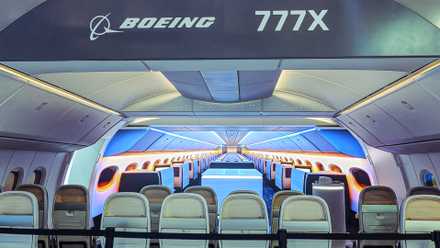

How cabin crew rest and sleep on long-haul Boeing 777X flights
Better crew rest facilities and new rules are important elements in this discourse.
Boeing 787: Comfort through the cabin environment


The 787 Dreamliner introduced a different philosophy for long-haul crew and passenger comfort, focusing on environmental engineering rather than space layout. One of the most important developments is cabin pressurization. Like the A350, the aircraft maintains a cabin altitude equivalent to about 6,000 feet (1,828 m), rather than the roughly 8,000 feet (2,438 m) standard typically used for many older wide-bodies. The aircraft also uses a composite airframe that makes up approximately 50 percent of the base structure by weight, allowing for higher cabin humidity levels than many previous aircraft while reducing corrosion problems. Depending on the variant, 787 It can carry approximately 240 to 330 passengers and operate routes exceeding 7,000 to 8,500 nautical miles (13,000 to 15,700 km).
The 787’s crew rest area is divided into dedicated areas. A forward rest area near the flight deck for the pilots and a larger aft crew rest area above the cabin for the cabin crew. Access is via hidden doors and internal stairs, separating the passenger area from operating noise.
Although the size of the bed itself is similar to that of other modern aircraft, it is the environmental differences that crews will most notice. Lower vibration levels, improved humidity control due to the composite fuselage design, and reduced cabin noise all provide a better quality of rest, even if the physical sleeping space is not significantly larger than competing aircraft.
Airbus A350: Balancing efficiency and sleep quality
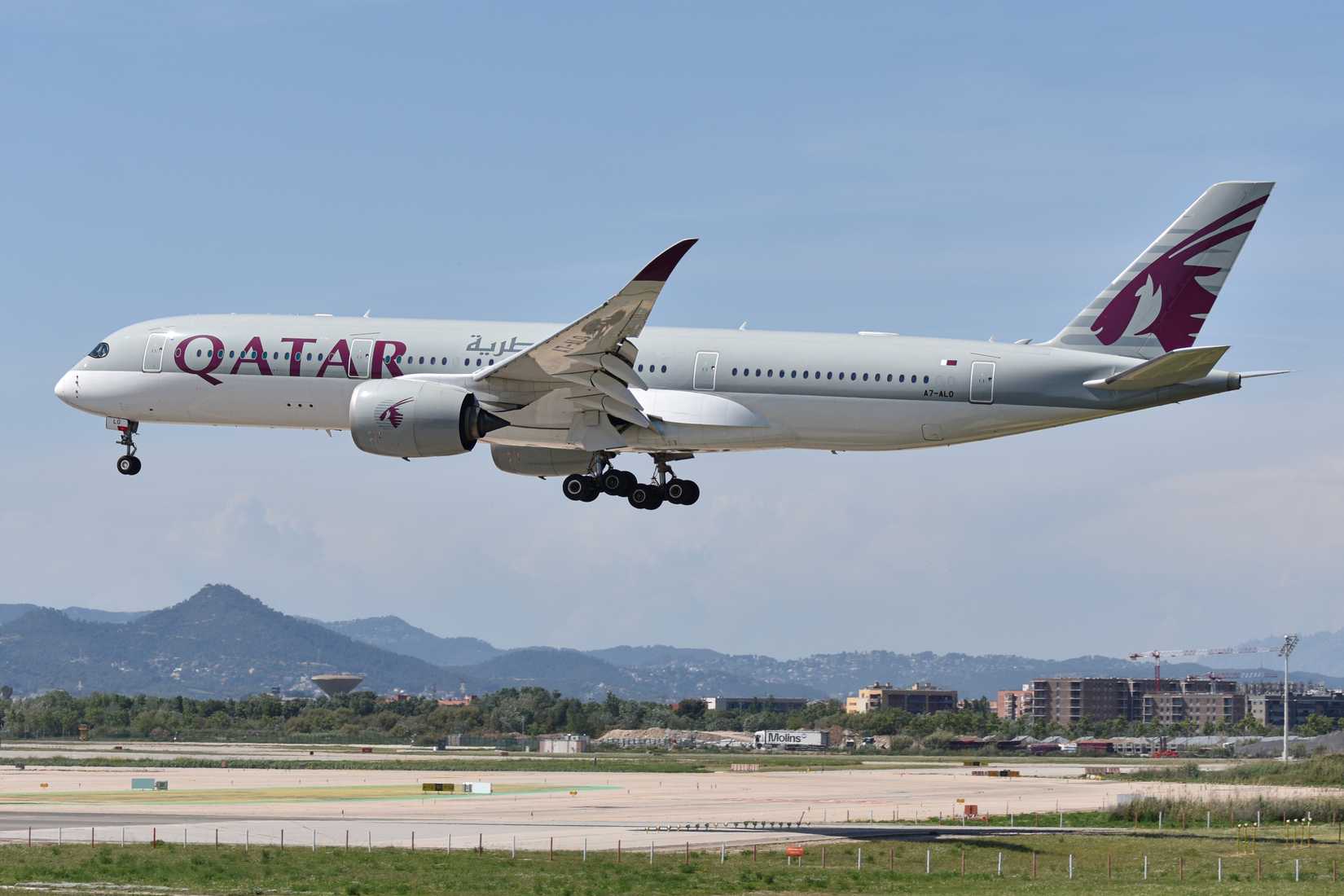
The A350 represents an efficiency-driven approach to aircraft design, built on a new composite fuselage that is lighter and more aerodynamically efficient than previous Airbus long-range models. Although internal structures provide more flexible space for cabin systems, airlines still face a strict balance between revenue-generating space (seats and cargo) and non-revenue systems such as crew rest modules.
Most A350 configurations are piloted. crew rest There are two berths in the forward fuselage crown above the cabin, and the cabin crew rest area at the rear of the aircraft is above the aft galley area, which typically has six berths. This allows airlines to conserve overall lower deck cargo volume, which is especially important on intercontinental routes where cargo revenue can account for a significant portion of a flight’s profitability. Lounges can feel more crowded due to fuselage curvature, are more exposed to cabin noise and vibration, and can be more sensitive to temperature changes near the aircraft’s upper skin insulation. In fact, this can make your sleeping environment feel less spacious and less stable, especially on long and ultra-long distances.
Access is typically via a steep staircase located in the galley area, and the compartment is designed as a compact, windowless “loft-style” space. It allows the environment to feel more enclosed compared to underfloor or rear fuselage alternatives while remaining fully compliant with regulatory requirements for horizontal rest. This is especially true in long sections where crews spend multiple rest cycles in the same space.
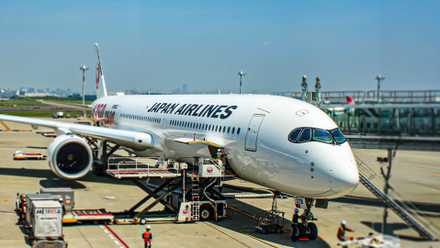
Inside the secret crew rest area of the Airbus A350-1000
From overhead bunks to cockpit lounges, here’s how the A350-1000 supports long-haul crews.
Rare lower deck A350 configuration


A small subset of A350 operators choose a lower deck crew rest configuration integrated into the cargo hold structure or located below the adjacent main cabin. This design is less common because it requires more complex structural integration, adds weight and certification complexity, and reduces usable cargo volume. The biggest advantage of this arrangement is environmental stability. Compared to more typical overhead crown installations, crews can be positioned further away from cabin noise sources such as service trolleys, galley activity and passenger movement, while also benefiting from additional structural insulation between decks.
This isolation reduces vibration transmission and reduces sound, creating a noticeably quieter and more consistent sleep environment. The lower deck location also improves thermal stability because it is less affected by temperature fluctuations near the aircraft’s exterior surfaces and cabin airflow systems. In practice, this tends to make rest areas feel more like dedicated sleeping modules rather than converted overhead compartments, which is why they are often viewed more favorably by flight attendants when available.
However, these improvements come at a direct economic cost. The cargo capacity of wide-body aircraft such as the A350 is a major source of revenue, especially on long-haul intercontinental routes connecting major trade hubs. Airlines must therefore trade off improved crew rest conditions against reduced cargo space and potential revenue loss, which is why the configuration remains relatively rare rather than standard.
Why the A350 is dividing flight attendant opinions

ship Perception of the A350 is determined less by the aircraft itself and more by how individual airlines configure it. The same aircraft can feel noticeably different depending on whether it uses an overhead crown rest or a lower deck system and how actively the airline optimizes cargo space.
In overhead configurations, some crews report a more restrictive and acoustically variable environment, especially during periods of turbulence or high passenger activity. In contrast, lower deck installations tend to be described as more stable and “quieter,” with less environmental fluctuations and a greater sense of separation from cabin operating activities.
Ultimately, the A350 highlights a broader truth about modern aircraft design. Comfort is not a fixed attribute of the aircraft but is the result of a hierarchical decision between manufacturer architecture, airline economics, and regulatory fatigue requirements. Passengers experience an integrated product, but for crew members, the actual reality can vary significantly depending on invisible configuration choices embedded deep inside the aircraft.


