



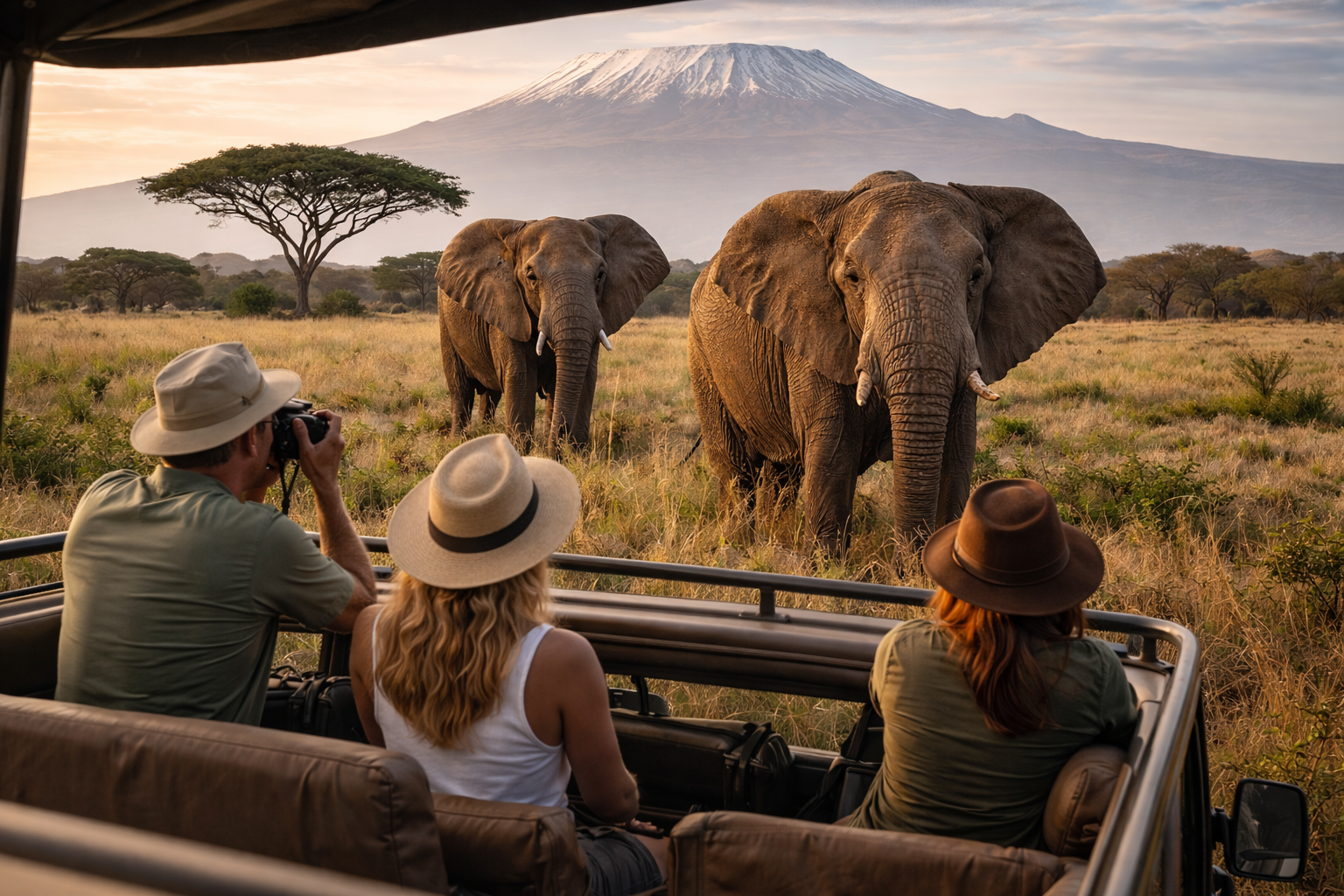
This guide has been written in collaboration with local safari operators based in Tanzania and provides real-world insight from the people who run safaris every day.
If you’ve been researching Tanzania safaris, you’ve probably come across a dozen articles saying the same thing: “Go during the Great Migration.” But the truth is, the best time to visit Tanzania for a safari depends entirely on what you are looking for. you It shows you what you want to see and how much you want to spend.
As a local safari operator based in Arusha, Tanzania, I have guided hundreds of travelers to national parks every season. This guide outlines general advice and provides an honest, hands-on perspective.
Description of the two safari seasons in Tanzania
Tanzania has two main weather patterns that shape the safari calendar.
Dry season (June to October) It is widely regarded as the best time to go on safari in Tanzania. Vegetation is sparse, wildlife is concentrated around water sources, and roads are easier to navigate. This is peak season and is indicated in the prices.
Rainy season (November to May) The rainy season is divided into the short rainy season (November to December) and the long rainy season (March to May). Many travelers avoid this period, but that’s a mistake. The rainy season offers lush green landscapes, newborn animals, fewer crowds, and much lower costs.
Understanding these basic rhythms is the foundation of planning a great Tanzania safari, but the details are just as important as the outline.
Monthly Analysis
June to October: Peak dry season
This is the most popular safari window in Tanzania, and for good reason. Wildlife viewing is excellent in all major parks including Serengeti, Ngorongoro Crater, Tarangire and Lake Manyara.
What’s special?
- Animals are easy to spot because they gather near rivers and waterholes.
- Famous Great Migration river crossing (July-September in northern Serengeti)
- Clear skies and comfortable temperatures for game drives.
- Excellent photography conditions with golden light
Honest Cons: This is also the most expensive and congested time of year. Popular parks such as Ngorongoro Crater can feel crowded and budget safari options in Tanzania are limited when demand peaks. If you’re traveling on a budget, you might want to look into peak season instead.
Best suited for: First time safari visitors, wildlife photographers and especially travelers seeking the Great Migration Safari Tanzania experience.
January-February: Hidden Gems
January and February are probably the most underrated months for safaris in Tanzania. The short dry season between the two wet seasons offers amazing conditions that are completely overlooked by most travelers.
- Wildebeest calving season in the southern Serengeti (Ndutu region) – one of Africa’s greatest wildlife spectacles
- Excellent predator activity, with lions, cheetahs and hyenas following the herd
- Fewer visitors compared to peak season from June to October
- Overall affordable accommodation costs
If you are looking for a high quality safari experience at a more affordable Tanzania safari price point, this window is one of our strongest recommendations to our customers.
March-May: Long Rains (Why It’s Not As Bad As You Think)
Long rains cause the most dramatic decline in tourist numbers and the most dramatic decline in prices. For travelers planning a Tanzania safari on a tight budget, this is the most cost-effective time to visit.
What you get:
- A green, photogenic landscape that looks completely different from the dry season.
- Newborn animals in all major parks
- Peak bird watching with migratory species present
- In a nearly empty park, you can enjoy the entire game drive to yourself.
- 30-50% discount at many safari lodges and camps
What you sacrifice:
- Some dirt roads become difficult after heavy rain.
- Certain remote camps are closed during wet months (April-May).
For the right flexible, adventurous and budget-conscious traveller, this is actually one of the best times to experience Tanzania.
November-December: Short rains
Brief rains typically last four to six weeks and are often intermittent. – Morning showers and sunshine. This shoulder season offers a great middle ground between the peak season crowds and the big discounts that come with the rainy season.
This is also when the great migration begins to move south from Kenya back to the Serengeti. There is less pictured but equally dramatic movement. November and December are also ideal for combining a Tanzania safari with a Zanzibar beach extension. Because during this period the coast enjoys the best weather.
Where you go is as important as when you go
The best time to visit Tanzania for a safari will largely depend on the destination you choose.
Serengeti National Park — Wildlife is present year-round, but the timing of the Great Migration varies depending on your location in the park. In the southern Serengeti they give birth in January to February, while in the northern Serengeti they make dramatic river crossings in July to September.
Ngorongoro Crater — Open year-round with consistently excellent wildlife no matter the season. The crater’s unique ecosystem means that predators and prey are always present in high concentrations.
Tarangire National Park — Most visited between June and October when elephants gather in large numbers around the Tarangire River. This is one of Africa’s best elephant destinations and is often overlooked in favor of more famous parks.
Ruaha National Park — It is the largest national park in Tanzania and one of the least known. The dry season (June to October) is ideal, when there are few cars around and sightings of lions, elephants and wild dogs are common.
Selous/Nyerere Game Reserve — Most visited between June and October. This southern circuit offers a more unique, off-the-beaten-track experience and is perfect for travelers who want to avoid the crowds of the northern circuit entirely.
Common mistakes travelers make when timing their safari
After many years of running safaris in Arusha, here are the most common mistakes I see:
1. Assuming it is the rainy season, it means there are no wild animals. Animals do not disappear even when it rains. In fact, the lush green landscape makes for some of the most dramatic photos of the year.
2. Book inflexibly during peak seasons. If your dates are July-September, book as much as 12-18 months in advance for the best lodges. Last minute bookings during peak season are expensive and limited.
3. Ignore the southern and western parks. Most first-time visitors stick to the northern circuit (Serengeti, Ngorongoro, Tarangire). Parks such as Ruaha and Selous offer equally great game viewing at any time of year and with far fewer visitors.
4. Do not combine safari and Zanzibar. Tanzania offers one of the world’s best travel combinations: a multi-day safari followed by a beach retreat in Zanzibar. The Tanzania safari and Zanzibar combination runs year-round, but the shoulder seasons (January-February and November-December) offer the best value on both legs.
How much does a Tanzania safari really cost?
The cost of a Tanzania safari varies enormously depending on your choice. Here’s the transparent analysis:
| category | Approximate daily cost (per person) |
|---|---|
| budget safari | $150 – $300 |
| medium distance safari | $300 – $600 |
| Luxury / Private | $600 – $1,500+ |
This figure usually includes lodging, meals, park fees, and professional guides. International airfare and visa costs must be considered separately.
The biggest factor affecting Tanzania safari prices is timing. Booking during peak or rainy seasons can reduce total costs by 30-50% without significantly compromising the quality of your experience. A mid-range wet season safari can offer better wildlife encounters and more privacy than a budget peak season trip.
What to pack for Tanzania safari (by season)
Smart packaging can make a huge difference to your comfort on site.
Dry season (June to October): Layers are a must Mornings on game drives can be surprisingly cold, but afternoons reach 25-30°C. There is quite a bit of dust, so bring a buff or a light scarf. Neutral colors (khaki, olive, beige) are standard.
Rainy season (November to May): A light waterproof jacket is essential. Mostly sunny in the morning with rain in the afternoon. Pack quick-drying clothing and a waterproof bag for your camera gear. In fact, the wet season is more comfortable in terms of temperature than the dry season.
Year-round essentials: High SPF sunscreen, insect repellent (DEET based), good binoculars and a power bank for your devices. Most camps have limited charging facilities.
Our Honest Recommendations
After many years of guided safaris across northern and southern Tanzania, we tell all our travelers:
- If budget comes first → January-February or November-December provide the best value without compromising quality.
- If this is your first safari and you want maximum wildlife, → June to October are worth a premium, so book early.
- If you want a luxurious private experience → From March to May, the park is virtually empty and offers world-class lodges at deeply discounted prices.
- If you want to combine the beach and the forest → From November to December, you can enjoy a combination of a Tanzania safari and Zanzibar at a shoulder price.
At Sokwe Africa Safari we expertly organize bespoke itineraries to suit all budgets and travel styles, from small group safaris from Arusha to fully private expeditions into Tanzania’s most remote wilderness areas. We know this park because we live here, and we’re passionate about showcasing our home to the world.
final thoughts
The best time to visit Tanzania for a safari is not a month on the calendar. It’s the intersection of what you want to see, what you’re willing to spend, and how you like to travel.
Tanzania rewards all visitors with curiosity and an open mind, regardless of the season. Wildlife doesn’t get a break, and there’s no magic in watching the African sun rise over the Serengeti plains.
If you’re ready to start planning, contact the Sokwe Africa Safari team and we’ll help put together the perfect Tanzania safari itinerary to suit your timing, budget and travel style.
If you liked this article, you might also like:
17 Most Beautiful and Aesthetic Places You Can’t Miss in Bali
10 Best Places to Visit in Greece (Islands, Ancient Ruins and Hidden Gems)
Cheapest African Safaris: 6 Amazing Destinations







