



The rum shops are open along the south coast. Waves are breaking beneath the cliffs at Bathsheba. In Speightstown, fishing boats rest beside a waterfront lined with old merchant houses, galleries and small restaurants.
Barbados gives you several versions of the Caribbean within one compact island. You can spend one day among the bars and restaurants of St. Lawrence Gap, another inside the historic streets of Bridgetown, and the next following the west coast north to Speightstown. Then you can cross the island and find an entirely different Barbados, where the Atlantic pounds against enormous rock formations and villages rise through green hills.
From New York, the trip is also surprisingly simple. American Airlines and JetBlue both sell nonstop flights between John F. Kennedy International Airport and Barbados, turning a four-day Caribbean getaway into a realistic proposition rather than a complicated expedition.
The flight takes roughly five hours. You leave New York and arrive at Grantley Adams International Airport, where the air is warmer, the roads are lined with palms and your hotel is less than 20 minutes away.
Your base is O2 Beach Club & Spa, the all-inclusive resort on Barbados’ south coast. It places you directly on the beach while keeping you close to many of the island’s most energetic neighborhoods, historic sites and local restaurants.
The resort has three pools, two swim-up bars, a rooftop lounge, an ocean-view spa and five dining experiences. Yet its location is just as important. O2 is close enough to St. Lawrence Gap to let you walk out for a drink, a plate of flying fish or an evening among the Gap’s bars, then return to an all-inclusive resort where almost everything is already covered.
Here is how to experience Barbados in four days.
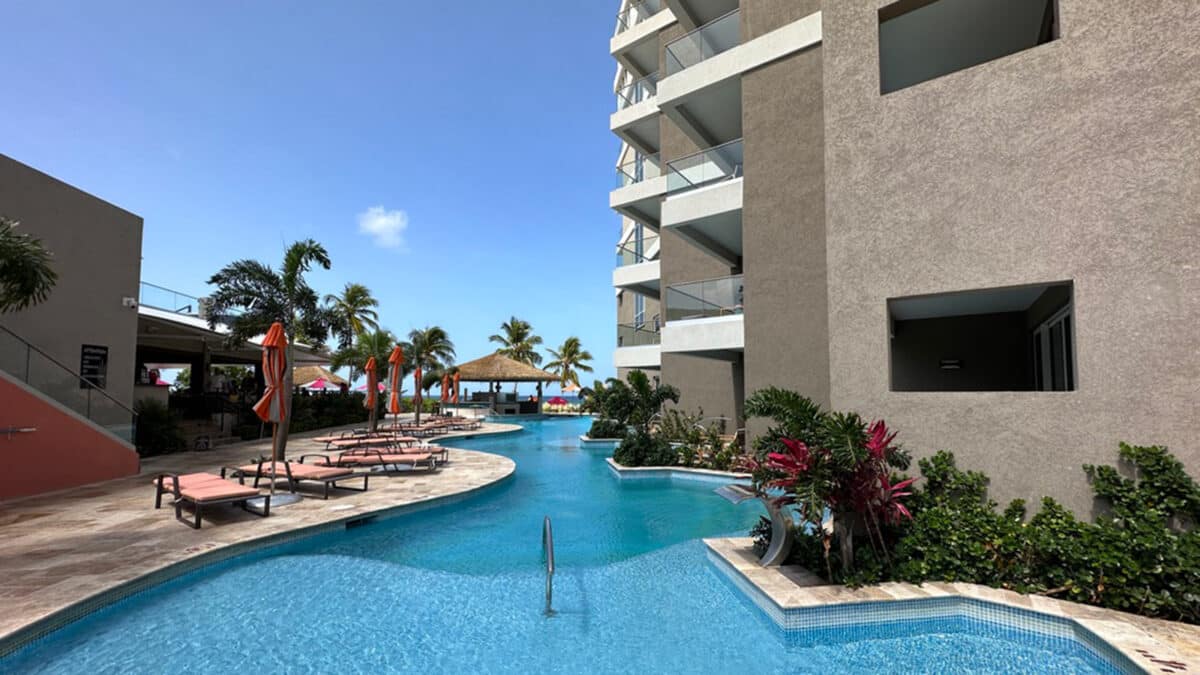
Where You’re Staying: O2 Beach Club & Spa
O2 Beach Club & Spa occupies a white-sand stretch near Dover on the island’s south coast. The resort has 116 rooms and suites divided between its Sunrise and Sunset buildings, including apartment-style suites suited to families and an adults-only Luxury Collection.
The hotel’s beach faces the meeting place between the Caribbean and the Atlantic. Some days bring placid water. On others, the swells are stronger, giving the beach a more dramatic personality than the sheltered bays farther north.
There are several places to eat inside the resort. Elements serves breakfast, lunch and dinner near the water. Bluefin is the casual poolside option for pizzas, salads, burgers and local dishes. Oasis handles coffee, pastries and snacks throughout the day.
Then there is Oro, the resort’s ninth-floor restaurant. The dining room has broad views over the south coast and a menu built around Caribbean ingredients and international technique, with dishes ranging from local lobster to steaks and vegetable plates.
Before dinner, you can head to Brisa, the rooftop lounge and tapas bar beside a small pool. It is one of the best places at the resort for a cocktail as the light changes over the water.
O2 also has the eighth-floor Acqua Spa, where treatment rooms look out toward the sea. The hotel’s all-inclusive program covers meals, drinks, nonmotorized water sports and daily activities, making the resort especially practical for a brief trip. You can leave for several hours, return for lunch or a swim and head out again without having to plan every meal.
Day One: St. Lawrence Gap, Graeme Hall, and Flying Fish
Your first day begins close to the hotel. Resist the urge to cross the entire island immediately. The south coast has enough personality to fill a day, and exploring nearby gives you a proper introduction to contemporary Barbados.
Walk or take a short ride into St. Lawrence Gap, the compact district of bars, restaurants, music venues and hotels known simply as “the Gap.” It runs beside the water in Christ Church, with narrow side streets leading toward beaches and small coves.
The Gap can be lively, but it never feels detached from the rest of the island. Local restaurants and neighborhood bars share the same street as larger clubs and visitor favorites. You can stop for a cold Banks beer, try a rum punch and continue to the next place rather than committing to a single destination.

Nearby, Graeme Hall Nature Sanctuary protects one of the island’s remaining wetland habitats. The mangrove forest and freshwater lake offer a quieter side of the south coast, with birds, shaded paths and thick tropical vegetation only a short distance from busy roads and beach hotels.
Graeme Hall gives the day contrast. You can spend part of the afternoon among egrets, herons and mangroves, then return to the coast as the bars begin filling.
Later, make your first serious encounter with Bajan food. Flying fish is the island’s best-known ingredient, usually fried or steamed and seasoned with lime, thyme, onion, garlic and pepper. Order it with macaroni pie, rice and peas, plantain or cou-cou, the cornmeal-and-okra dish served with flying fish as Barbados’ national plate.
The Gap gives you plenty of choices for continuing the evening. You can bar-hop at your own pace, listen to live music and sample several versions of rum punch. Barbados takes rum seriously; the island is home to some of the oldest rum-making traditions in the Caribbean, and local bartenders often have strong opinions about the correct balance of rum, lime, sugar, bitters and spice.
O2 is close enough for an easy return. End the evening at the hotel’s nightcap bar or with a final drink near the pool.
Day Two: Bridgetown, Fish Cakes, and the Garrison
Your second day belongs to Bridgetown, the island’s capital and the center of its commercial and colonial history.
Historic Bridgetown and its Garrison form a UNESCO World Heritage Site, recognized for the city’s early role in the British Atlantic world and its unusual street plan. Unlike the formal grids found in many colonial cities, Bridgetown developed around curving streets, the Careenage and its port.
Begin near the Careenage, where small boats line the inner harbor and historic warehouses face the water. Walk toward the Parliament Buildings, Independence Square and the Chamberlain Bridge. The city is active rather than preserved behind glass. Shops, government offices, food stalls and buses all occupy the same historic center.
This is a good day for fish cakes. The Bajan version is made with salted cod, herbs, pepper and batter, then fried until crisp. You may see them served alone with pepper sauce or tucked into salt bread as a “bread and two,” one of the island’s classic snacks.
From Bridgetown, continue around the island toward Carlisle Bay and Stade’s Rum Beach Club. The setting is casual and unmistakably Barbadian: sand, calm water, rum drinks and plates of local food within sight of the capital. If you want to do a tour of the only beachfront distillery in the Caribbean, go for it.
Then head to the Garrison, the historic military district south of central Bridgetown. The area includes the Savannah, former military buildings, the Barbados Museum and several architectural remnants of Britain’s long colonial presence — along with the George Washington house, where America’s first president spent his only trip outside of the country.
The Garrison Savannah is also the center of horse racing on the island. Even when no race is underway, the broad open field and surrounding buildings give the district a character unlike anywhere else in Barbados.
Return to O2 in the late afternoon. Have a drink at Brisa, then reserve dinner at Oro. After a day of fish cakes and rum-shop fare, the ninth-floor restaurant gives you a more formal interpretation of Caribbean ingredients.
Day Three: Speightstown, Little Bristol, and Dinner With a Bajan
On the third day, follow the west coast north.
The road passes many of Barbados’ best-known beaches and hotels, moving through Hastings, Holetown, Paynes Bay and the resort corridor of Saint James. The Caribbean Sea remains close for much of the drive, appearing between restaurants, houses and stone walls.
Your destination is Speightstown, the island’s second-largest town and one of its most atmospheric communities.
Speightstown was once known as Little Bristol because of its trading links with the English port of Bristol. Merchants shipped sugar and other goods from here, and several old warehouses and townhouses remain along the waterfront streets.
Today, Speightstown has become one of the most appealing places in Barbados for a slow afternoon, with myriad beach bars, great local food and a fun energy.
Lunch should be at Fisherman’s Pub, a relaxed waterfront institution known for Bajan food. The daily choices may include flying fish, stewed meats, rice and peas, macaroni pie, breadfruit, plantain and cou-cou. Order several dishes if you are sharing; the pleasure comes from building a plate that tastes like Sunday lunch in Barbados.
There’s also a great beach bar in town called Little Bristol.
Your evening brings one of the trip’s most personal experiences: Dine With a Bajan.
The program connects visitors with Barbadian hosts for meals in private homes and other intimate local settings. Depending on the host, dinner might take place on a veranda, in a garden or around a family dining table. The food may include fish, chicken, rice and peas, macaroni pie, salads, local vegetables, black cake or cassava pone.
The meal is only part of the experience. You hear family stories, learn why certain dishes appear on Saturdays or holidays and talk about everyday life on the island. A restaurant can introduce you to Bajan cooking. Dinner in someone’s home gives you a deeper understanding of the culture surrounding it.
Day Four: Bathsheba, Foul Bay, and the East Coast
Your final day is devoted to the island’s wild Atlantic side.
Leave the south coast and drive inland through villages, sugarcane fields and rolling hills. Barbados is relatively flat compared with many Caribbean islands, but the central parishes still reveal broad views and green valleys before the land falls toward the Atlantic.
Begin at Bathsheba, the small east-coast village famous for the enormous boulders rising from the water. The best known is Bathsheba’s Soup Bowl, a powerful surf break that draws experienced surfers from around the world.
The scenery here is a dramatic departure from the west and south coasts. Waves crash across reef shelves, palms bend above the water and roads follow high ground overlooking the Atlantic. Swimming conditions can be dangerous, so Bathsheba is often better for walking, photography, lunch and watching the surf.
Spend some time around the village, then follow the east-coast roads south. Small rum shops and roadside restaurants appear between stretches of forest and open sea. This side of Barbados feels more rural, with fewer large hotels and more abrupt changes between villages, hills and water.
Continue toward Foul Bay, near the southeastern corner of the island. Despite its name, it is one of Barbados’ most attractive beaches: a broad arc of white sand framed by palms and low cliffs. The beach is often uncrowded, with enough space to find your own section of sand.
The Atlantic can be strong here as well, so enter the water cautiously and pay attention to local conditions. Even when swimming is limited, Foul Bay is an excellent place for a final beach afternoon.
The route back to O2 passes through a quieter section of Christ Church before reconnecting with the busier south coast. You return to the resort with enough time for the pool, a spa treatment or one last swim.
Your final dinner can remain at O2. Choose Elements for a casual meal near the water, Bluefin for something relaxed or Oro for a last night above the south coast.
Getting to Barbados From New York
Two airlines make the trip particularly manageable.
JetBlue flies nonstop from John F. Kennedy International Airport to Grantley Adams International Airport. The airline continues to sell year-round New York–Barbados service, with one-way fares on some fall dates recently appearing from $183 before optional fees.
American Airlines also flies nonstop between New York and Barbados. Recent roundtrip fares for late summer and September have appeared from roughly $479 to $500, although prices change frequently.
The nonstop flight is generally around five hours. Barbados is one hour ahead of New York during part of the year, but the difference is small enough to avoid the adjustment associated with longer international trips.
Grantley Adams International Airport is on the southern side of the island, and O2 Beach Club & Spa is usually about 15 to 20 minutes away by car. You can arrive, check in and be on the beach without spending another hour crossing the island.
Why Four Days Work Here
Barbados has enough depth for a much longer stay. Yet the island is unusually well suited to four days because its experiences are concentrated within manageable distances.
From O2, you are close to St. Lawrence Gap, Bridgetown, Carlisle Bay and the Garrison. Speightstown requires a longer drive, but the route follows the west coast and can become part of the day. Bathsheba and the east coast are far enough away to feel like a separate journey while remaining reachable from the hotel.
The result is a getaway with real range. In four days, you eat flying fish in the Gap, drink rum beside Carlisle Bay, walk through the old streets of Bridgetown, have lunch in Speightstown, share dinner in a Barbadian home and watch the Atlantic break against the rocks at Bathsheba.
Then there is O2 waiting on the south coast, with a rooftop pool, an ocean-view spa and a drink at the swim-up bar.
From New York, Barbados feels far enough away to change the scenery completely. Yet with a nonstop flight and a four-day plan, it remains close enough to become the Caribbean trip you can actually take right now.







