
It was clear that William Shakespeare had a womb on his mind when he wrote, “Though she is small, she is fierce!”
The uterus is a small, but powerful organ that wears many hats, about the size of a fist. From protecting human life to regulating the menstrual cycle, the uterus is important for reproductive and overall health.
So it’s not surprising that uterine disease can be life-changing, and not in a good way. Conditions such as endometriosis and uterine fibroids can cause heavy bleeding and pain during menstruation, which can have a significant impact on quality of life.
Endometriosis and uterine fibroids are common diseases, but we still don’t know much about them or how to treat them. For many women with uterine disease, hormonal drugs are the first line of treatment.
What is hormonal therapy for uterine disease?
Hormone therapy is a treatment that modulates estrogen, progesterone, and/or testosterone to treat symptoms of uterine disease.
Although this medication does not cure uterine disease, it may play an important role in alleviating symptoms, including heavy menstrual bleeding, by thinning the uterine lining, regulating the menstrual cycle, and shrinking estrogen-supplying fibroids.
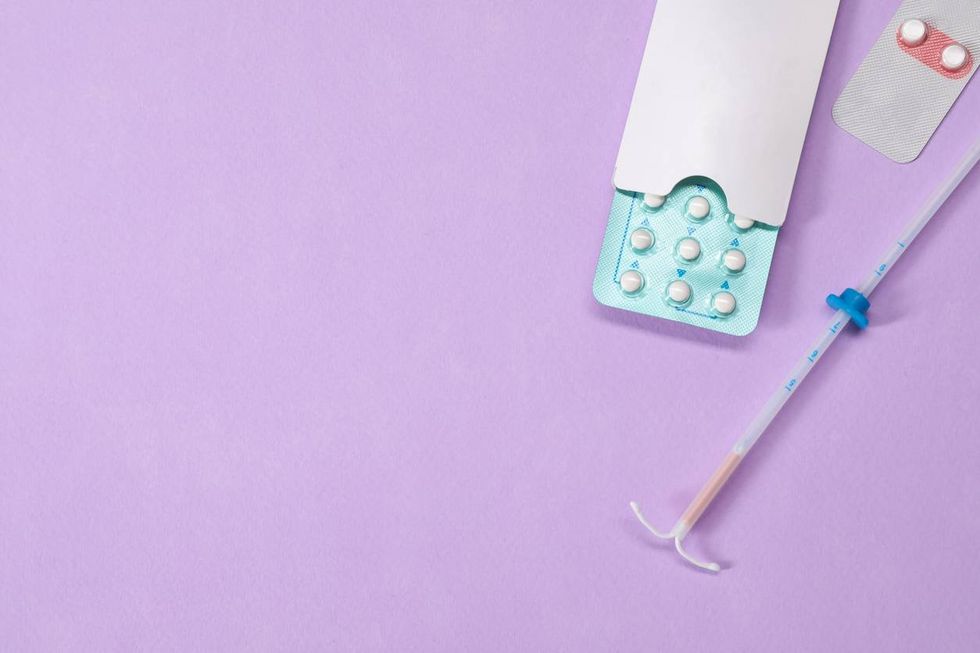
Birth control pills are usually the first line of treatment for endometriosis and uterine fibroids. However, if birth control pills do not help relieve your symptoms or you cannot take them for medical reasons, there are other hormonal treatment options to treat uterine disease.
Hormonal treatment options for uterine disease may include:
- low dose birth control pills — A combination of estrogen and progestin (a lab-created version of the female sex hormone progesterone) or just progestin to suppress ovarian function, reduce bleeding, or stop menstruation completely.
- Method of delivery: oral tablet
- Examples: norethindrone acetate and ethinyl estradiol (Lo Loestrin Fe); Drospirenone and ethinyl estradiol (Yasmin)
- Gonadotropin-releasing hormone (GnRH) agonists – Blocks estrogen production, reducing endometrial tissue and uterine fibroid growth. It may also help reduce menstrual bleeding and relieve symptoms of fibroids and endometriosis.
- Method of delivery: Nasal spray or injection
- Examples: leuprolide acetate (Lupron); Goserelin acetate (Zoladex)
- GnRH antagonist — Reduces the amount of reproductive hormones secreted by the pituitary gland to reduce pain and bleeding during menstruation. It can be used for fibroids and endometriosis symptoms.
- Delivery Method: Oral Tablet
- Example: relugolix(Myfembree); Elagolix (Orillisa, Orian)
- Progestin-releasing intrauterine device (IUD) — It continuously releases progestin to prevent the buildup of the uterine lining, reducing menstrual bleeding or stopping menstruation altogether.
- Method of delivery: intrauterine device
- Examples: levonorgestrel (Kyleena, Liletta, Mirena, Skyla)
- Injection/Implant — Delivers hormones long-term for months or years to suppress estrogen and reduce pain, bleeding, and lesions.
- Method of delivery: Subcutaneous insertion or injection
- Examples: goserelin implant (Zoladex); Medroxyprogesterone acetate implant (Depo-Provera)
- steroid — Reduces estrogen production, stopping menstruation and reducing the growth of estrogen-supplying endometrial implants.
- Method of delivery: Oral capsule
- Examples: Danocrine; Medroxyprogesterone acetate (Provera)
Benefits and risks of hormonal drugs for uterine diseases
Like almost all medications, hormone therapy has benefits and risks.
Benefits of hormonal medications include:
- Stopping or slowing the growth of uterine fibroids
- Prevents endometriosis tissue growth
- Reduce excessive bleeding or duration of withdrawal
- menstrual cycle regulation
- reduce pain
Risks of hormone therapy include:
- heart attack
- stroke
- blood clot
- breast cancer
- Osteoporosis (bone loss)
Some hormonal medications are taken short-term to relieve symptoms to help improve the condition before surgery (for example, shrinking or reducing uterine fibroids or lesions). GnRH agonists, for example, leuprolide acetate This medication can be taken for 6 months, or for 12 months when combined with low-dose estrogen or progestin. This is because symptoms may return even after you stop taking the medication, and treatment may cause bone loss over time.
Talk to your doctor about hormonal medications
Studies have shown that hormonal medications are effective in relieving symptoms and may improve the quality of life for many women with uterine disease, but they are not an option for everyone.
Especially if you experience pain or heavy menstruation, it is important to consult an obstetrician/gynecologist to find the right treatment for you.
Here are some tips for talking to HCPs:
- Discuss your treatment goals and what is important to you (preserving fertility, reducing pain, improving quality of life, etc.).
- Prioritize symptom relief, disease progression, or both
- Ask about the side effects of potential treatment options.
- Review your medication history, including past hormonal medication and how it affected you.
- Discuss pain management and what has worked and what hasn’t worked in the past.
- Ask about the timeline for symptom relief and disease improvement for each option.
A shared decision-making process between you and your HCP can help you get the facts you need to make the best decisions for your health and quality of life.
This training material was created with support from Sumitomo Pharma America, a member of the HealthyWomen Corporate Advisory Board.
From your site article
Related articles on the web