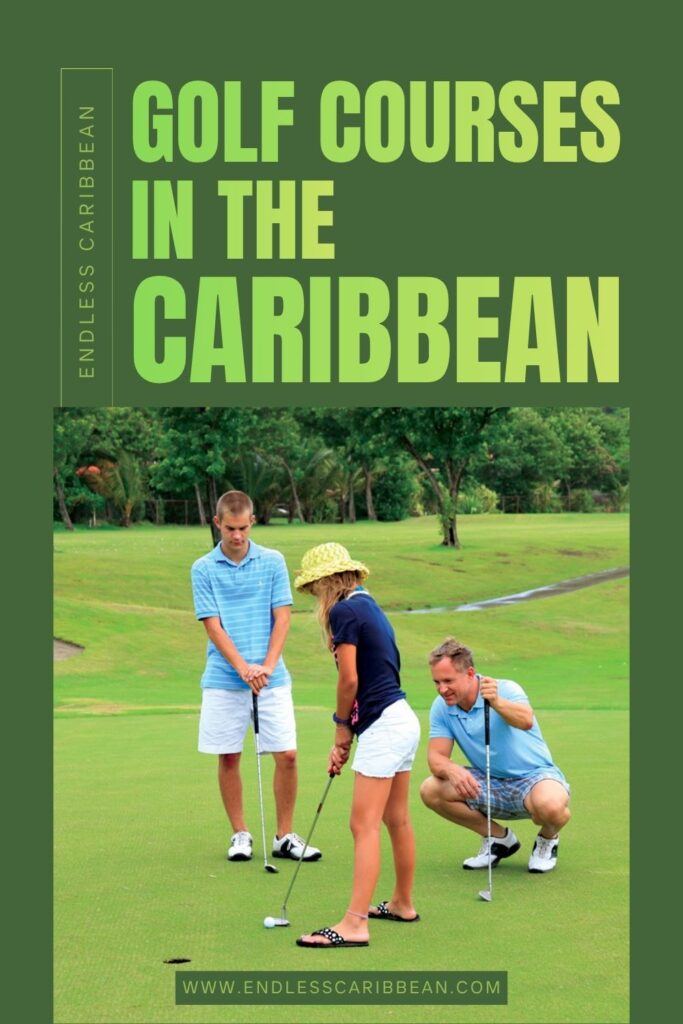
The top golf courses in the Caribbean are world-class routes carved along sunlit coasts, dramatic clifftops, and lush inland terrain. These courses are not only playgrounds for golf lovers, but also stellar portfolios from highly acclaimed architects. This guide pinpoints the top golf courses in the Caribbean so you can quickly choose courses that match your skill level, scenery preferences, and travel plans.
Overview of Caribbean Golf Courses
Caribbean golf courses balance championship pedigree, design quality, conditioning, and accessibility. Courses are spread across multiple countries each with their unique features that positively impact golfing. Golfers can expect varied terrain, strong coastal winds, and year-round warmth that influence course design and shot selection.
Geographic Distribution
Although some say that the best courses are concentrated in a handful of islands, there are some standouts designs that are more than worthy of mention. Many islands host only one or two world-class tracks, so your choice of destination often dictates the quality and variety of rounds you can play.
Island size and development may shape access to courses. Larger islands offer multiple public and resort courses, while smaller islands tend to feature a single resort course with limited tee times. When planning, you can opt to travel between islands if you want to sample several top venues during one trip.
Scenic Landscapes
Caribbean courses feature three dominant landscape types. They are seaside links and cliffside courses with ocean vistas, coastal lowland layouts lined by dunes and palms, and inland parkland or hillside courses that use native vegetation and elevation changes. Seaside courses often present dramatic visual hazards and salt-spray conditions that affect turf and shot strategy.
Designers like Pete Dye and Tom Fazio have routed holes to maximize sightlines and natural features. You should expect holes where the wind and water demand precision, plus backdrops of white sand beaches, coral reefs, and tropical forest that enhance the playing experience without altering core shot-making requirements.
Climate and Playing Conditions
The Caribbean’s warm, humid climate gives you year-round playability, with peak conditions generally from December through April when rainfall is lower. Summer and early fall bring higher temperatures and frequent short showers; hurricane season (June–November) can disrupt travel and course availability, so check local forecasts and course advisories before booking.
Course firmness varies by location. Coastal sites often have firmer, faster conditions driven by trade winds and salt exposure, while inland courses stay softer after rain and keep receptive greens. You should pack gear for heat and sun. Bring light, breathable clothing, strong sunscreen, and a reliable wind strategy for club selection.
Criteria for Selecting the Top Golf Courses
Selection of the top golf courses in the Caribbean hinges on three precise areas:
- How a course plays and fits its site
- What guest-facing services and course care support playability, and
- How peers and players rate the experience.
Each area carries measurable factors that determine a course’s standing.
Course Design Excellence
To assess course design, evaluate routing, strategic variety, and how holes use the Caribbean landscape. Look for courses that present compelling choices—risk/reward options, varied shot shapes, and clear design intentions on every hole. Classic architectural elements (bunkering that defines angles, greens with meaningful contours, and tee placements that change play) matter as much as dramatic seaside holes.
Playability for a range of handicaps is critical. A top course offers multiple tees, fair but challenging rough, and green complexes that reward precise approach shots without being punitive. Course conditioning also amplifies design. As a result, well-drained fairways, consistent putting surfaces, and maintained native areas keep the architect’s intent intact.
Maintenance and sensitivity to the natural site also count. Layouts that preserve native vegetation, manage salt air impacts, and use contours to minimize earthmoving are favorable. Thoughtful restoration or renovation that respects original design principles rates highly.
Amenities and Facilities
Amenities should be judged by how they support play and travel comfort. Essential elements include a clubhouse with professional-grade locker rooms, gear repair or club-fitting services, and a well-stocked pro shop. On-site practice facilities—short game areas, driving ranges with target greens, and putting courses—are key for player development and warm-up.
Guest services will affect a player’s overall experience. Reliable tee-time management, knowledgeable starters, and efficient pace-of-play protocols reduce friction. Food and beverage quality, on-course drink stations, and transportation options (shuttle or caddie services) influence multi-day visits and tournament readiness.
Infrastructure that supports tournaments and tourism adds value to the golf course. There should be cart inventory and GPS, irrigation systems that ensure uniform conditioning, and accommodation partnerships or resort integration when applicable. These practical features can preserve the quality of the course and enhance your stay.
Reputation Among Golfers
Word of mouth is also valuable when assessing courses. Peer assessments, tournament history, and consistent feedback from playing visitors can let you know about the little things you don’t find on a golf website. Expert panels, course-rating organizations, and repeat guest reviews reveal whether a course performs under scrutiny. A strong reputation often stems from hosting regional events or being cited repeatedly by touring professionals and respected reviewers.
Consistency matters more than a single glowing review. Reliable courses will have track records of high ratings across different seasons and reviewers. Pay attention to common themes in feedback—routing praise, conditioning consistency, or complaints about pace of play—to form a balanced judgment.
Local golfer sentiment also matters. If club members and frequent visitors speak highly of course stewardship and accessibility, the site likely sustains long-term quality. Combine qualitative impressions with objective metrics—slope/rating differentials, renovation history, and tournament score lines—for a rounded view of reputation.
Top Golf Courses in the Caribbean
This section lists notable courses island by destination, highlighting designs, signature holes, typical green fees, and playability factors you should know when planning tee times, travel, and gear. Expect details on course architects, coastal challenges, public vs. private access, and seasonal considerations.
1. The Old Nine (Barbados)
Part of the Sandy Lane Resort, this exclusive 18-hole course has been ranked among the best in the Caribbean and offers a challenging yet beautiful layout.
2. Teeth of the Dog (Dominican Republic)
Located at Casa de Campo Resort in La Romana, this Pete Dye-designed course is one of the most famous in the region. It has been ranked among the world’s best golf courses.
3. TPC Dorado Beach (Puerto Rico)
Known for its beautifully scenic design, this course has hosted PGA Tour events and offers three 18-hole layouts designed by Robert Trent Jones Sr. and George & Tom Fazio.
4. Punta Espada Golf Club (Dominican Republic)
Located in Cap Cana, this Jack Nicklaus signature course is famous for its oceanfront holes and is regularly ranked among the best in the Caribbean.
5. The Green Monkey (Barbados)
Designed by Tom Fazio, this course is part of the Sandy Lane Resort and features dramatic elevation changes and ocean views, making it a favorite among golfers.
6. Royal Blue Golf Course (Bahamas)
Situated on Paradise Island, this course features beautiful views of the ocean and is known for its challenging design and well-kept fairways.
7. Royal Beach Golf Club (Sint Maarten)
The 18-hole, par-70 Mullet Bay course is the only golf course in St. Maarten. It is located on the Dutch side of the island, in the vicinity of Princess Juliana International Airport.
8. Cayman Golf Club (Grand Cayman, Cayman Islands)
This 18-hole course is located on Seven Mile Beach and is known for its tropical landscaping and friendly, relaxed atmosphere.
9. La Cana Golf Course (Dominican Republic)
Part of the Puntacana Resort & Club, this course offers beautiful ocean views on several holes and a challenging layout, designed by P.B. Dye.
10. Half Moon Golf Club (Jamaica)
Located in Montego Bay, this Robert Trent Jones Sr.-designed course is surrounded by stunning beaches and has hosted several professional tournaments.
11. Jolly Harbour Golf Club (Antigua and Barbuda)
Designed by golf course architect Karl Litton, Jolly Harbour is a premier golf venue that is adjacent to the Jolly Harbour Marina.
12. Royal St. Kitts Golf Club (Saint Kitts)
This 18-hole, par-71 course, designed by Thomas McBroom, offers beautiful views of the Atlantic Ocean and the Caribbean Sea.
13. Grenada Golf and Country Club (Grenada)
Located in Belmont, this golf course is a charming and scenic 9-hole gem that offers a lovely golfing experience for all levels.
14. Royal Westmoreland Golf Course (Barbados)
A prestigious, members-only course, designed by Robert Trent Jones Jr., featuring lush landscapes and stunning ocean views.
15. Cedar Valley Golf Club (Antigua and Barbuda)
Cedar Valley, one of Antigua’s 18-hole championship courses, features tropical trees, breathtaking scenery and vistas on hills.
16. Sandals Emerald Bay Golf Club (Bahamas)
A Greg Norman-designed course located on Great Exuma Island, featuring a stunning blend of ocean views, lakes, and challenging holes.
17. Wyndham Rio Mar Golf Club (Puerto Rico)
Located in Rio Grande, Puerto Rico, this 36-hole complex features two courses: the River Course (designed by Greg Norman) and the Ocean Course (designed by Tom and George Fazio).
18. Old Quarry Golf Course (Curaçao)
Beautifully designed by Pete Dye, Old Quarry is an 18-hole championship course offering dramatic elevation changes and scenic views of the island’s coastline and the Caribbean Sea.
19. Aurora International Golf Club (Anguilla)
A challenging yet dramatic 18-hole golf course with spectacular views of Saint Martin and the Caribbean Sea.
20. Turtle Hill Golf Club (Bermuda)
This 18-hole, par-3 course is set amidst the stunning Bermudian landscape, with breathtaking ocean views.
21. Point Hardy Golf Club (Saint Lucia)
A beautiful 9-hole course located on the northern coast of Saint Lucia, offering excellent views of the island and surrounding waters.
22. Negril Hills Golf Club (Jamaica)
A peaceful 18-hole course located in the heart of Jamaica, offering a relaxed atmosphere and surrounded by tropical landscapes.
23. The Hills Golf Course (Saint Kitts & Nevis)
Located at the Four Seasons Resort, this challenging 18-hole, par-72 course offers stunning views of the Caribbean Sea and the Atlantic Ocean.
24. Le Toussaint Golf Course (Haiti)
A relatively new addition to the Caribbean golf scene, this 18-hole course located in the north of Haiti provides golfers with spectacular views of the surrounding mountains and the ocean.
25. Rockley Golf Club (Barbados)
Located near the popular south coast of Barbados, this 9-hole course offers a relaxed experience, good value and a friendly environment.
26. Canouan Estate Resort & Villas (Saint Vincent & the Grenadines)
Located in Canouan in the Grenadines, this 18-hole golf course designed by Jim Fazio is invigorating and challenging and features views of neighbouring islands.
27. Royal Westmoreland (Barbados)
Set in a private, luxurious resort, this course offers spectacular views of the Caribbean Sea. The championship layout was designed by Robert Trent Jones Jr.
28. Robert Trent Jones II Golf Course (Nevis)
This golf course is one of the stunning features of the Four Seasons Resort in Nevis, lies in sight of Nevis Peak, Saint Kitts, and the Caribbean Sea.
29. Puntacana Resort & Club (Dominican Republic)
The resort is home to several courses, including the popular Corales Golf Course, offering stunning ocean views and a mix of difficult challenges.
30. Varadaro Golf Club (Cuba)
Located in Varadero, Cuba, this 18-hole course offers a relaxing round in the island’s beautiful surroundings, with challenges that suit golfers of all levels.
31. Tobago Plantations Golf Club
Par-72, 18-hole course set on an old coconut plantation, with lakes, woodland thickets, beaches, mangroves and wild grass.
32. Barbados Golf Club (Barbados)
A beautifully designed 18-hole, par-72 course located near to the airport, offering golfers a challenging round surrounded by tropical vegetation.
33. Tierra Del Sol Resort & Gol (Aruba)
Designed by Robert Trent Jones II, Tierra Del Sol is a PGA-approved course that has sweeping panoramic ocean views and breathtaking desert scenery.
34. The Blue Bay Golf Course (Curacao)
A stunning 18-hole course set on the beautiful island of Curacao, designed by the famous golf architect, Jerry Pate, with both oceanfront holes and inland challenges.
35. Royal St. Kitts Golf Course (Saint Kitts)
Royal St. Kitts, designed by Thomas McBroom, is an 18-hole Par 71 course with stunning views of the Atlantic Ocean and the Caribbean Sea.
36. The Jack Nicklaus Signature Golf Course (Bahamas)
Situated at the Baha Mar Resort on New Providence, this course is one of the island’s finest and offers both challenging play and breathtaking views.
37. Bucuti & Tara Golf Club (Aruba)
This intimate 9-hole course located near the famous Eagle Beach in Aruba offers a relaxed environment, ideal for beginners and seasoned golfers.
38. Caye Chapel Golf Course (Belize)
A 9-hole course located on a private island in Belize, this course features stunning views of the Caribbean Sea, challenging play, and a unique atmosphere.
39. The Ritz-Carlton Golf Club (Grand Cayman, Cayman Islands)
This 18-hole, par-71 course offers a high-end, well-maintained layout in one of the most beautiful Caribbean destinations.
Planning a Caribbean Golf Trip
When planning a trip, you will have to coordinate flights, ground transfers, and tee times around the best weather window and pack the right gear. Remember to prioritize island entry rules, course access (public vs. resort), and storage for clubs during flights.
Travel Tips and Accessibility
When booking international flights to larger destinations, utilize major hubs with fewer connections to the Caribbean. For smaller islands without international flights, plan a regional connection or ferry.
For popular courses, you should reserve tee times at least 30–90 days in advance. If you rely on a rental car, check for automatic transmission availability and local driving rules; on some islands, narrow coastal roads require experience.
Confirm baggage policies for golf clubs with each airline. If you are travelling with your golf clubs, choose a hard case and travel insurance that covers equipment. Alternatively, if you prefer minimal hassle, choose a golf resort that offers club storage, transfers, and in-house booking for rounds.
Best Seasons to Visit
Peak golf season varies by country but generally runs December through April when rainfall is lowest and temperatures are comfortable (mid-70s to low-80s°F). For a good golf experience, book during this window for the driest fairways and the most consistent course conditions.
You will find lower rates and fewer crowds in late spring and early summer, but you may face short tropical showers and warmer highs (mid-80s to 90s°F). Hurricane season runs June 1–November 30; avoid booking nonrefundable travel during peak storm months (August–October) unless you carry flexible cancellations.
What to Pack for Golfing
When packing for a Caribbean golf vacation, be mindful of your clubs and bag, clothing, accessories and golfing.
- Clubs and bag: Use a sturdy travel case, bring a complete set plus a spare wedge and putter if you prefer. Label gear and photograph club serials for insurance claims.
- Clothing: Pack breathable polo shirts, two pairs of waterproof golf shoes, mid-weight rain jacket, and a hat with sun protection. Include lightweight long sleeves for sun or wind and a change of shoes for travel.
- Accessories: Bring extra gloves, three to six dozen balls, a divot tool, sunscreen SPF 30+, insect repellent, and a small first-aid kit. Electronics: a GPS watch or rangefinder, a phone with offline maps, and portable battery pack.
- Documents: Carry digital and printed tee confirmations, passport, proof of vaccination if required, and contact info for your resort and local transport.
If you use these tips, you can plan a seamless golf trip. Use them to organize your golfing routes, select practical courses and make travel notes that help you build an unforgettable Caribbean golfing itinerary.