



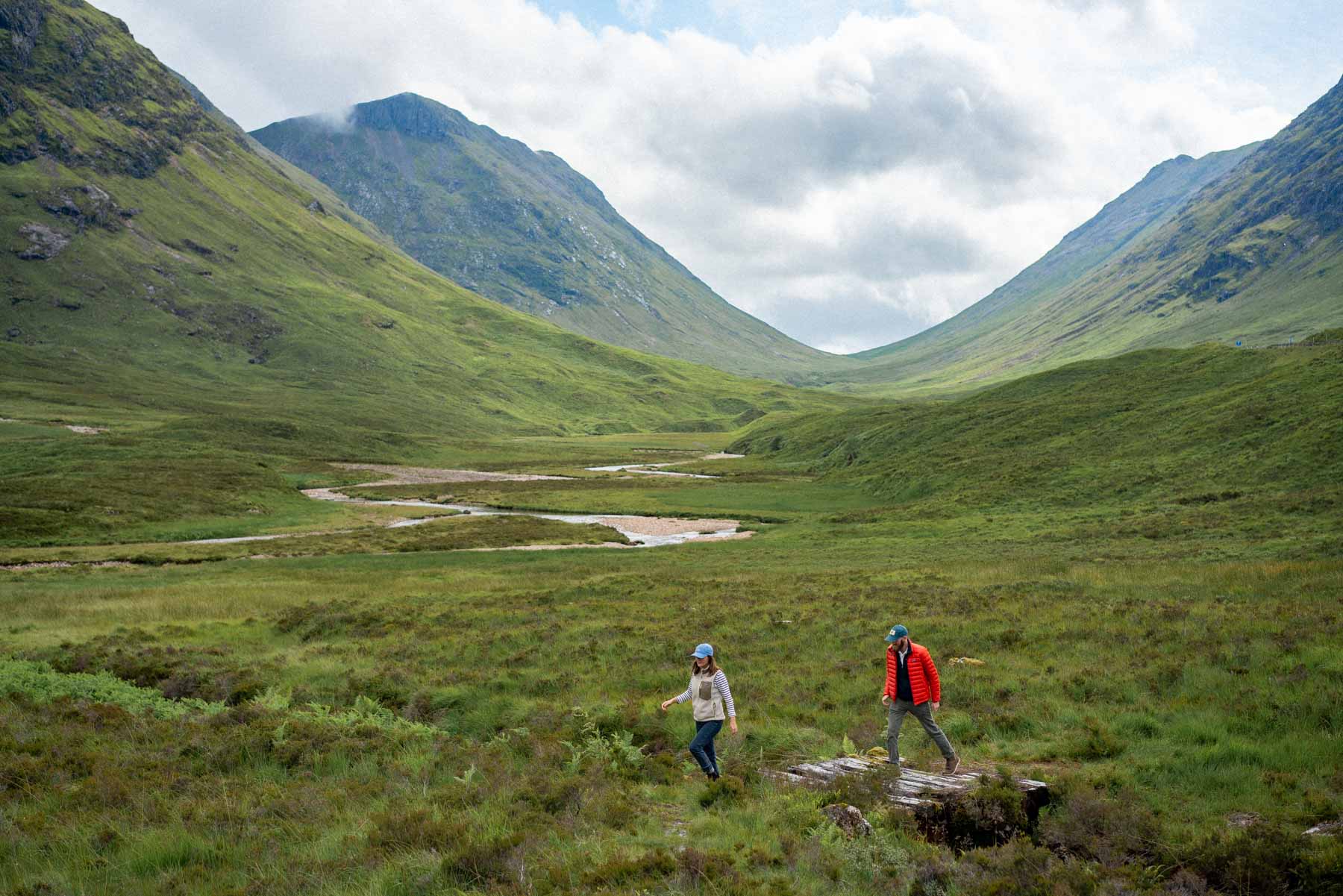
There’s a moment on the drive to the Isle of Skye when the landscape shifts so dramatically that you genuinely wonder if you accidentally crossed into another country. The rolling green hills give way to jagged peaks, moody lochs, and rock formations that look like they belong on another planet entirely.
Skye had been at the top of my Scotland bucket list for years, and I’ll be honest with you. It somehow managed to exceed every single expectation I had. And I had *a lot* of expectations.
This guide covers everything you need to plan your trip, from getting there to the hikes you absolutely cannot skip. I’ll also tell you which spots are overhyped and where to find the real magic on this island.
You May Enjoy Reading: A Helpful Guide to Visiting Scotland
Why Skye Is Worth the Drive
Let me put it this way. Scotland is full of beautiful places, but Skye is where the scenery turns *absurd*. Like, unreasonably beautiful. The kind of beautiful where you pull over every five minutes because you cannot stop taking photos.
The island is roughly 50 miles long and sits off Scotland’s northwest coast, connected to the mainland by the Skye Bridge (so no ferry needed, though there is one if you want the scenic route). It’s home to some of the most photographed landscapes in all of Europe, and for good reason.
What makes Skye special is the variety. You’ve got dramatic sea cliffs, fairy-tale waterfalls, colorful fishing villages, and rock formations that look like a fantasy novel cover. All packed onto one island that you can technically drive around in a day, though please don’t try.
How to Get to the Isle of Skye
There are two main ways to reach Skye, and both are gorgeous drives.
From Edinburgh (5-6 hours)
Most visitors start their Scottish adventure in Edinburgh, which is roughly a 5-hour drive to Skye. That might sound long, but trust me, this is one of the most scenic drives in Europe. You’ll pass through the Cairngorms, skirt along Loch Ness (yes, *that* Loch Ness), and watch the landscape become increasingly dramatic with every mile.
I’d recommend breaking the drive up and stopping in Inverness or Fort William for a night. It makes the trip feel less rushed and gives you a chance to see some of the Highlands along the way.
From Inverness (2.5 hours)
If you’re already up in the Highlands, Inverness is the closest city to Skye. The drive takes about 2.5 hours and follows the A87, which passes by the beautiful Eilean Donan Castle (one of the most beautiful castles in Scotland). Stop for a photo. You won’t regret it.
Important note about driving on Skye. You will encounter single-track roads with passing places. This is not the time to channel your inner race car driver. When you see a car coming toward you, pull into the nearest passing place (always on your left). If the passing place is on the right, stop and let the other car pull in. It sounds complicated but you’ll get the hang of it within 10 minutes.
Best Time to Visit the Isle of Skye
The short answer is May through September. The longer answer is that it depends on what kind of experience you want.
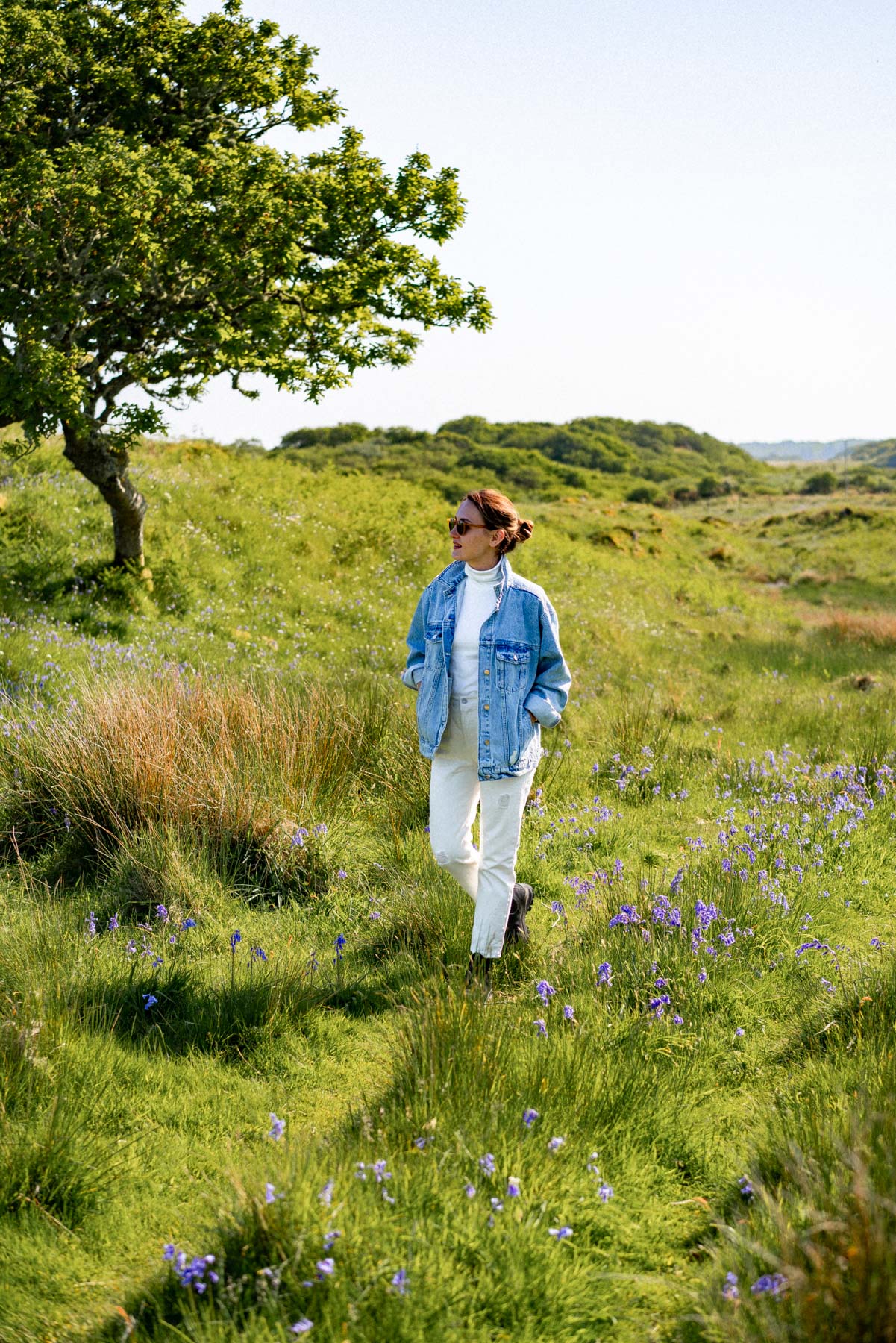
May and June are my top picks. The days are incredibly long (we’re talking 17-18 hours of daylight), the wildflowers are in full bloom, and the summer crowds haven’t fully arrived yet. Late May is *chef’s kiss* for photography.
July and August bring the warmest weather and the biggest crowds. Temperatures hover around 15-17°C (59-63°F), which I know doesn’t sound warm, but for Scotland, that’s practically tropical. The downside is that parking at popular trailheads fills up by 9am.
September is underrated. The crowds thin out, the heather turns the hillsides purple, and you get those moody autumn skies that make Skye look like a painting.
Winter? It’s possible, but only if you’re comfortable with very short days, icy roads, and limited services. Some restaurants and accommodations close entirely from November through March.
The Old Man of Storr (Skye’s Most Famous Hike)
If you only do one hike on Skye, make it this one.
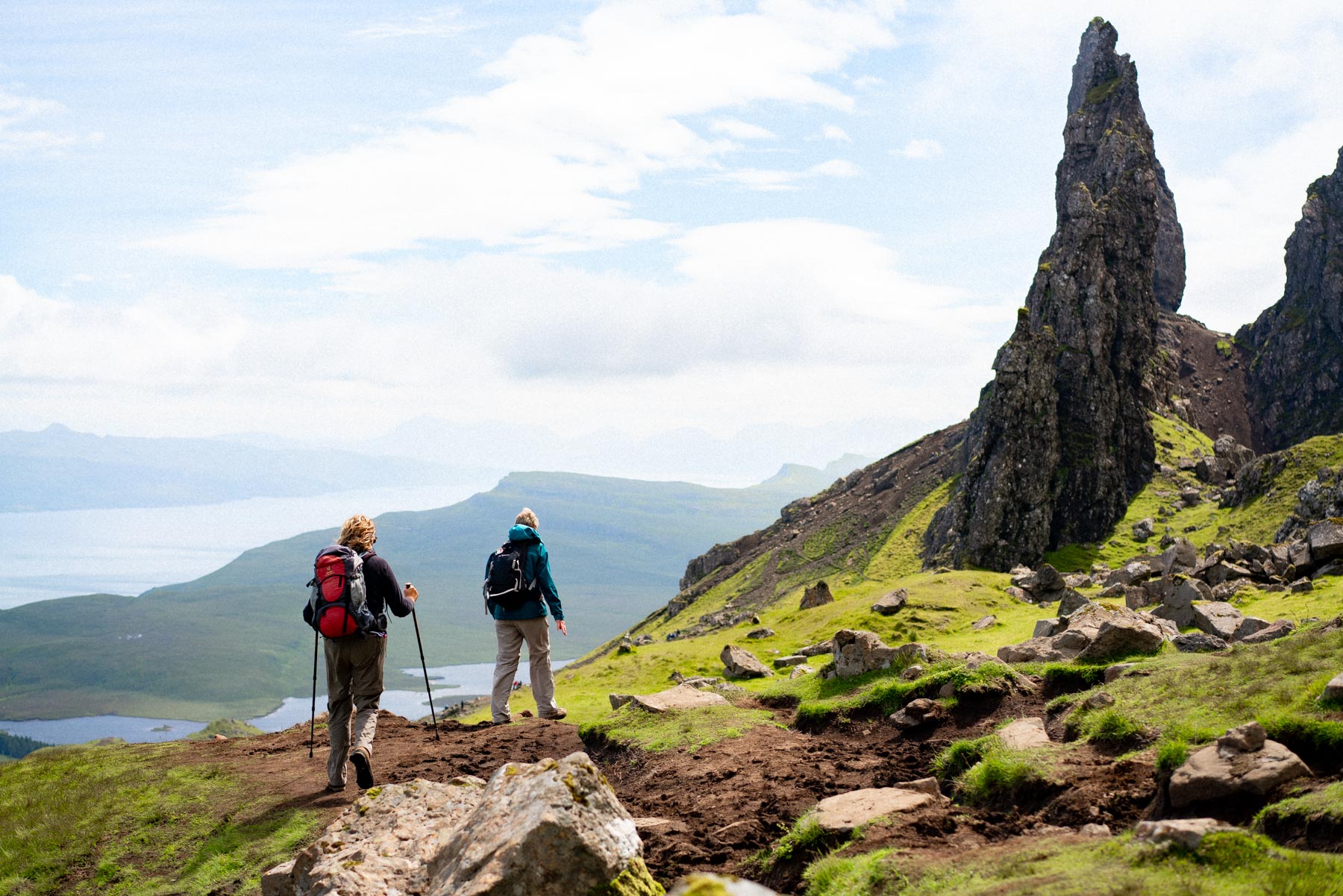
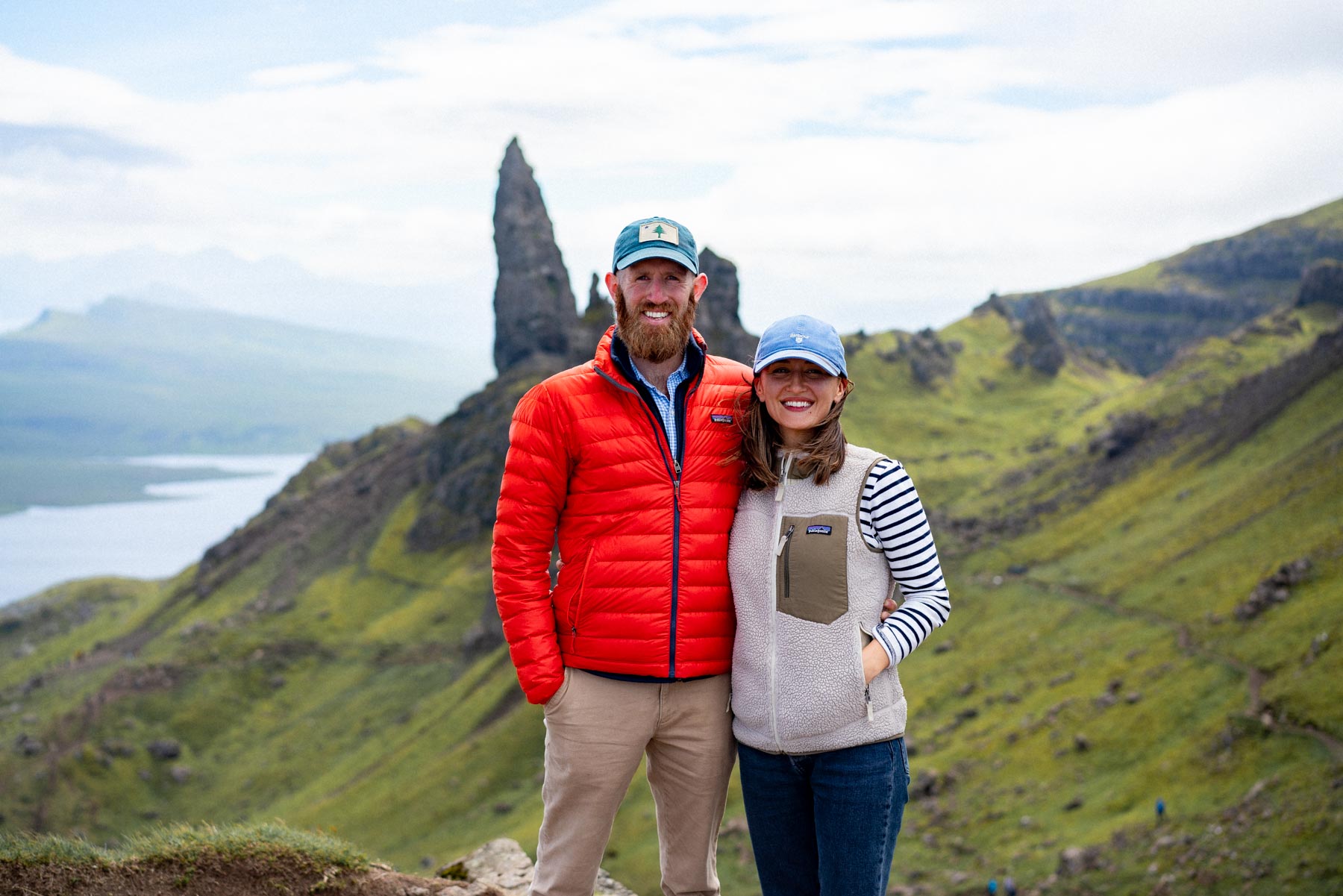
The Old Man of Storr is a 160-foot pinnacle of rock that juts out from the cliff face like something out of a Tolkien novel. The hike to reach it takes about 45 minutes each way, and while it’s steep in parts, it’s totally manageable for most fitness levels.
The trail starts from a car park along the A855 (get there early, I’m talking 7-8am in summer, or you *will* be parking on the road). The path is well-maintained for the first half, then gets rockier as you climb higher. When you crest the ridge and see the Storr looming above you with the Sound of Raasay stretching out behind, you’ll forget all about your burning calves.
Pro tip: go on a slightly overcast day. I know that sounds counterintuitive, but the moody clouds wrapping around the pinnacles create this ethereal atmosphere that clear blue skies just can’t match.
The Fairy Pools
The Fairy Pools are a series of crystal-clear pools and waterfalls at the foot of the Black Cuillin mountains, and yes, they really are as pretty as the photos suggest.
The walk to the pools is about 1.5 miles each way along a relatively flat path (with a few muddy sections after rain, which is basically always). The water is an almost unbelievable shade of turquoise blue, fed by mountain streams that cascade over smooth rocks into one pool after another.
Some brave souls swim in them. The water temperature is around 7-8°C (45°F) year-round, so “refreshing” is putting it mildly. I’ll admit I only made it ankle-deep before deciding I valued the feeling in my toes.
Parking costs about £5 and fills up fast in summer. If the main lot is full, don’t be tempted to park illegally on the road. The wardens are *not* messing around.
The Quiraing (For Serious Hikers)
If the Old Man of Storr is Skye’s most popular hike, the Quiraing is its most *spectacular*. This is the one that made my jaw literally drop.
The Quiraing is a landslip on the eastern face of Meall na Suiramach, and the loop hike takes 2-3 hours depending on your pace. The trail winds through a landscape of hidden plateaus, towering rock needles, and grassy amphitheaters that feel completely otherworldly.
Fair warning though. This hike is not for the faint of heart. The path narrows in several places with steep drop-offs, and it can get genuinely slippery when wet (which, again, is most of the time). Proper hiking boots are non-negotiable here.
The Quiraing is also a working film location. Parts of several movies have been shot here, and once you see it in person, you’ll understand why directors keep coming back.
Neist Point Lighthouse
Neist Point is the most westerly point on the Isle of Skye, and the walk down to the lighthouse is one of the most dramatic coastal paths I’ve ever experienced.
The cliffs here are *massive*. We’re talking sheer drops of several hundred feet into the crashing Atlantic below. The path from the car park to the lighthouse takes about 20 minutes each way, with a rather steep descent (and therefore a rather sweaty ascent on the way back).
This is hands down the best sunset spot on Skye. If you time it right on a clear evening, you’ll watch the sun drop into the Atlantic Ocean with nothing but open water between you and North America. Bring layers though. The wind at Neist Point is no joke.
Keep your eyes on the water too. Neist Point is one of the best places on Skye to spot dolphins, minke whales, and basking sharks, especially in summer.
Portree (The Colorful Harbor Town)
Portree is the capital of Skye, and while “capital” might be a generous word for a town of about 2,500 people, it’s the main hub for restaurants, accommodation, and supplies on the island.
The most photographed spot in Portree is the row of colorful houses along the harbor. You’ve probably seen them on Instagram approximately 47,000 times. But in person, they’re genuinely charming, especially in the late afternoon light when the colors reflect off the water.
For food, I’d point you toward The Cafe Arriba for lunch (great seafood chowder) and Dulse & Brose for a nicer dinner. Scorrybreac is the fancy option if you’re celebrating something, but book well in advance because it only seats about 20 people.
Portree is also a great base camp for exploring Skye, especially if you’re staying multiple nights. Most of the island’s main attractions are within a 30-45 minute drive from town.
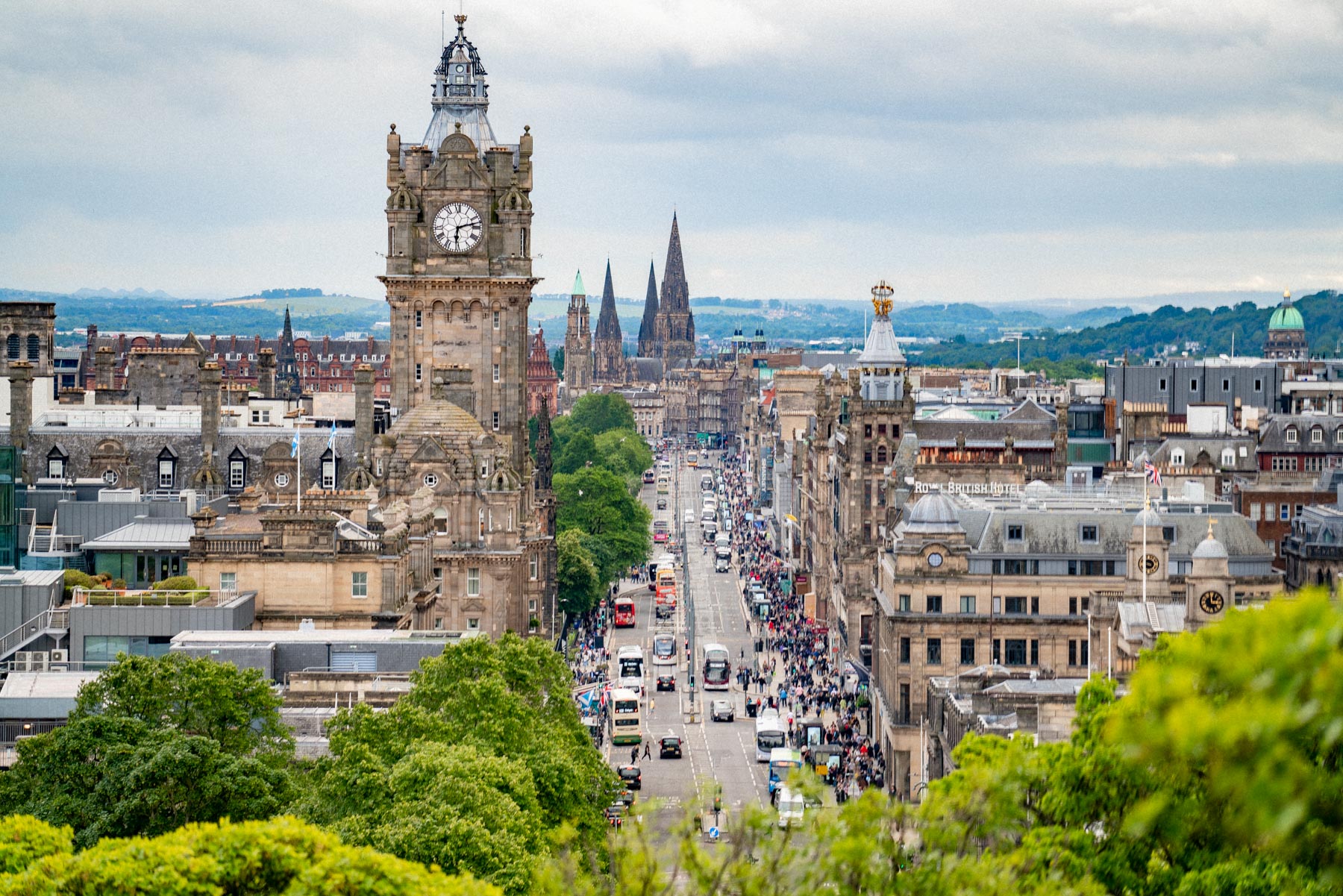
You May Enjoy Reading: Edinburgh in 2 Days (What to Do and What to Skip)
Talisker Distillery
Even if you’re not a whisky person, Talisker is worth a visit. It’s the only distillery on Skye and has been producing its signature peaty, maritime whisky since 1830.
The standard tour takes about 45 minutes and includes a tasting. The distillery sits right on the shores of Loch Harport in Carbost, and the setting alone is gorgeous. If you’ve been exploring Scotland’s whisky distilleries, Talisker has a completely different character from the Speyside distilleries or the smoky drams of Islay.
The Talisker 10 is their classic expression and it’s got this beautiful mix of smoke, sea salt, and black pepper that somehow captures the essence of Skye in a glass. Book your tour ahead of time during summer months because they do sell out.
Where to Stay on the Isle of Skye
Accommodation on Skye books up *months* in advance during summer. I cannot stress this enough. If you’re visiting between June and August, start looking at least 3-4 months ahead.
Portree is the most convenient base. It has the widest selection of hotels, B&Bs, and restaurants, and everything on the island is within easy driving distance.
Broadford is Skye’s second town and sits closer to the Skye Bridge. It’s a good option if you’re arriving late or leaving early, though it has fewer dining options than Portree.
For something special, look for a remote cottage on the Trotternish Peninsula (the northern part of the island). Waking up to views of the Quiraing from your bedroom window is an experience you won’t forget easily.
My honest advice? B&Bs are the way to go on Skye. The hosts are incredibly welcoming, the Scottish breakfasts will keep you fueled until dinner, and the local recommendations you’ll get are worth more than any guidebook.
How Many Days Do You Need on Skye?
Minimum 2 days. Ideal is 3.
With 2 days, you can hit the major highlights: Old Man of Storr, Fairy Pools, Portree, and either Neist Point or the Quiraing. It’ll feel rushed, but doable.
With 3 days, you can slow down and actually *breathe*. Add in the Quiraing hike, Talisker Distillery, and some time exploring the lesser-known corners of the island like the Coral Beach near Dunvegan or the Dinosaur Footprints at An Corran.
If you have 4+ days, you can add day trips to the smaller islands nearby (Raasay is wonderful), explore the Cuillin mountains, or simply spend a day driving the Trotternish Loop at a leisurely pace, stopping whenever something catches your eye.
Whatever you do, don’t try to “do” Skye as a day trip from Edinburgh. I’ve seen this itinerary floating around online and it honestly makes me cringe. That’s 10+ hours of driving for maybe 3 hours on the island. You’ll spend more time in the car than actually experiencing Skye.
Driving Tips for the Isle of Skye
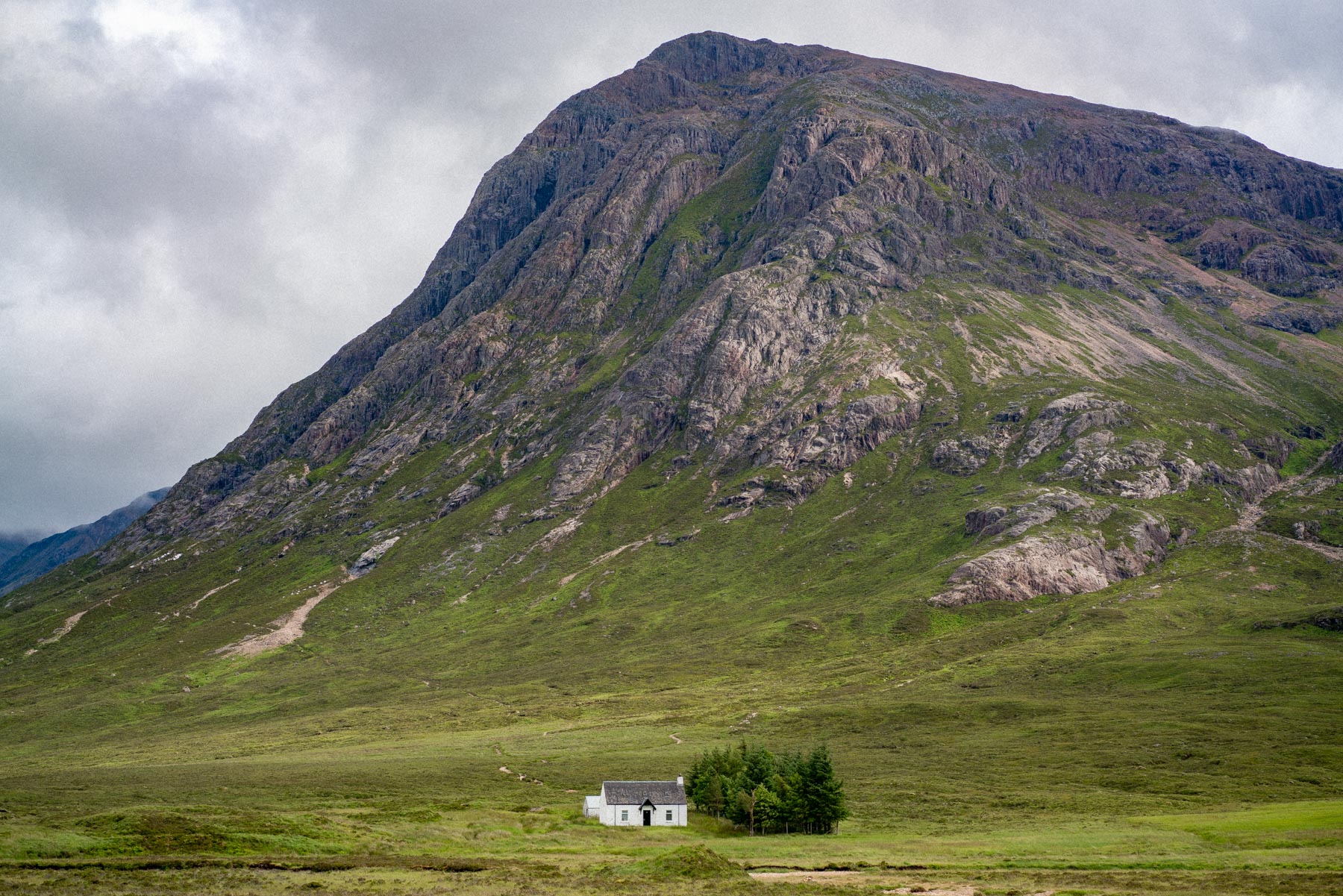
Driving on Skye is gorgeous but comes with some quirks, especially if you’re not used to the left side of the road.
Single-track roads are the main thing to prepare for. These are one-lane roads with designated passing places every few hundred meters. The etiquette is simple: if a car is coming toward you, pull into the nearest passing place on your left. If it’s on the right, stop and let the other car pull in. And *never* use a passing place to park for photos, no matter how tempting that view is.
Fill your tank before you arrive. There are only a handful of petrol stations on Skye, and they close earlier than you’d expect. Broadford and Portree both have stations, but beyond those towns, options are limited.
Watch for sheep. They have zero concept of road safety and will stand in the middle of the road staring at you with total indifference. Slow down, be patient, and enjoy the absurdity of it all.
The Skye Bridge is free to cross (it used to have a toll, but that was scrapped in 2004 after significant local protests). The alternative is the Glenelg-Kylerhea ferry, which runs during summer and offers a more scenic crossing. It’s also the last manually operated turntable ferry in Scotland, which is kind of cool.
Weather on Skye (Always Pack Rain Gear)
I’m going to be brutally honest with you. The weather on Skye is unpredictable at best and antagonistic at worst. I’ve experienced four seasons in a single afternoon here, and I barely blinked.
Average summer temperatures sit around 13-17°C (55-63°F). It rains approximately 1,500mm per year, which puts it among the wettest places in the UK. But here’s the thing. The rain on Skye is often horizontal, driven by Atlantic winds that laugh at your umbrella.
What you need is a proper waterproof jacket (not water-resistant, *waterproof*), waterproof hiking boots, and layers. Lots of layers. A warm morning can turn into a freezing afternoon faster than you can say “Where did the sun go?”
The upside? The weather is what creates Skye’s legendary atmosphere. Those moody, misty mornings when the clouds cling to the peaks of the Cuillin mountains are genuinely gorgeous. And when the sun *does* break through, the light is unlike anything I’ve seen anywhere else in the world.
Check out my Scotland packing list for more specific recommendations on what to bring.
What You Can Skip on Skye
I know this section might be controversial, but I think it’s important to set honest expectations.
Dunvegan Castle gets a lot of hype, but I found it pretty underwhelming compared to other Scottish castles. The grounds are nice enough, but the interior feels stuffy and the admission price is steep for what you get. If you’re short on time, skip it and drive to the Coral Beach nearby instead (which is free and far more interesting).
The Fairy Glen is cute but overhyped. It’s a miniature landscape of grassy cone-shaped hills near Uig that takes about 20 minutes to walk around. Worth a quick stop if you’re passing through Uig anyway, but I wouldn’t go out of your way for it.
Kilt Rock is a viewpoint where you look at a cliff face that vaguely resembles pleated fabric. It takes about 2 minutes. The Mealt Falls next to it are nice, but it’s really just a quick roadside stop, not a destination.
Practical Tips for Visiting the Isle of Skye
Download offline maps. Cell service on Skye is spotty at best. Google Maps works offline if you download the area in advance, and you’ll be very grateful you did when you’re trying to find a trailhead in the middle of nowhere.
Bring cash. Some smaller shops and cafes on Skye don’t accept cards, especially in more remote areas. £50-100 in cash should cover you.
Book restaurants ahead. Skye has surprisingly good food for such a remote island, but the best restaurants are tiny and fill up fast. During peak season, booking dinner a day or two ahead is essential.
Midges are real. From June through August, the Scottish midges (tiny biting flies) can be absolutely brutal, especially near still water on calm evenings. Bring midge spray (Smidge is the local favorite) and a head net if you’re camping.
Respect the environment. Skye is dealing with overtourism in some areas. Stay on marked paths, don’t fly drones near nesting sites, and take your rubbish with you. This place is pristine because people care for it.
Is the Isle of Skye Worth Visiting?
*Absolutely and without hesitation.*
Skye is one of those rare places that manages to live up to the hype. The landscapes are genuinely otherworldly, the locals are warm and welcoming, and there’s a raw, untamed beauty to the island that photographs simply cannot capture.
Yes, the weather can be challenging. Yes, the roads are narrow. Yes, you’ll probably get rained on. But that’s all part of the experience. Scotland doesn’t hand you its beauty on a silver platter. You have to earn it a little, and that’s what makes it so rewarding.
My biggest regret? Not staying longer. Two days felt like a tease. Three days was better. But honestly, I could have spent a full week on Skye and still left wanting more.
If Scotland is on your radar, make sure Skye is part of the plan. It will be the highlight of your trip. I’m willing to bet on it.
Read Next: A Helpful Guide to Visiting Scotland | 15 Memorable Things to Do in Edinburgh







