



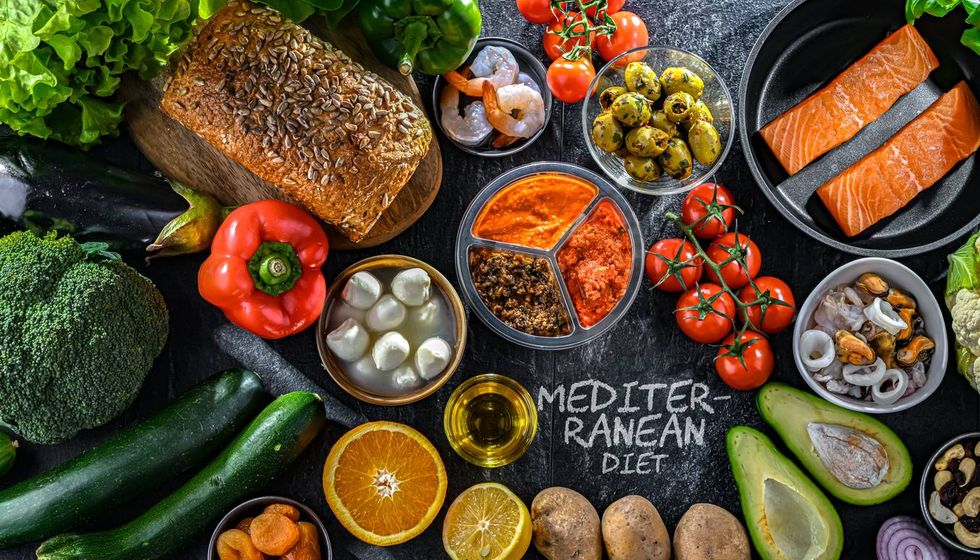

We’ve all heard that the Mediterranean diet, rich in legumes, vegetables, olive oil, fish, and lean meat, is good for you. The evidence is clear. Lowers the risk of dementia, depression, breast cancer, and diabetes. That’s why, after visiting southern Spain last year, I decided to incorporate these healthy foods into my diet while also cutting out ultra-processed junk food.
But now you have one more reason to switch. Eating a Mediterranean diet can significantly reduce your risk of stroke, according to a new study from the American Academy of Neurology. In the study, 105,000 women aged 38 to 67 who followed a Mediterranean diet had an 18% lower risk of stroke compared to women who did not follow the Mediterranean diet.
“The Mediterranean diet is associated with improvements in blood pressure, cholesterol, insulin sensitivity and inflammation, all major contributors to stroke risk,” says Michelle Routhenstein, MS, RD, CDCES, CDN, preventive cardio dietitian at EntirelyNourished.com.
Why Lowering Your Stroke Risk Is Important
A stroke occurs when the blood supply to the brain is blocked by a blood clot or hemorrhage. In the United States, one in five women ages 55 to 75 will experience a stroke in her lifetime. Women’s risk increases as they age, especially as they enter menopause. This is because hormonal changes can affect blood pressure, cholesterol, and blood vessel stiffness. In fact, stroke is the third leading cause of death in women.
Luckily, there are easy ways to make your shopping list healthier. Your life really depends on it.
Here’s how to change your shopping cart to include foods from the Mediterranean diet:
- Substitute butter for olive oil
“Replacing butter, a source of saturated fat, with olive oil adds healthier unsaturated fats to your diet,” Routhenstein said. Look for extra virgin olive oil in dark glass containers. And we make sure the sauce comes from just one country, like Italy or Spain, to make it as pure as possible without additives.
Other heart-healthy oils you can add to your pantry include avocado, canola, walnut, and almond oil.
- Include more plant-based foods in your diet
Skip the middle aisles of the supermarket and shop on the outer aisles. This will help you fill your cart with fruits and vegetables.
Routhenstein suggested starting gradually and building small, sustainable habits. Ultimately, 50% of your dinner should consist of colorful fruits and vegetables.
Add whole grains like quinoa, brown rice, and oats. And leave refined grains like white bread, pasta, and flour tortillas on the shelf. Finish your meal with plant-based proteins like legumes, beans, and tofu.
- Make sure red meat isn’t the main event
According to the American Heart Association, red meat (beef, pork, lamb) is high in saturated fat. To reduce your risk of stroke, replace it with fresh fish, poultry, and plant-based proteins. “Fatty fish such as salmon, sardines, mackerel, trout and herring are all excellent sources of omega-3 fatty acids, which reduce inflammation, improve cholesterol and support vascular function,” Routhenstein said. Aim to consume 2-3 times a week.
When eating meat, choose lean meat and make sure the serving is about 3 ounces, or the size of a deck of cards.
- Quit smoking and drinking.
People who smoke 20 cigarettes a day are six times more likely to have a stroke than non-smokers. That’s because cigarettes contain thousands of toxic chemicals that affect the circulatory system. “Smoking damages blood vessels, increases blood pressure, and accelerates plaque formation,” Routhenstein said.
Alcohol is not very good. It is associated with more than 1 million strokes per year worldwide. According to the World Health Organization (WHO), no amount of alcohol is safe to drink. It can cause high blood pressure, atrial fibrillation, diabetes, obesity and liver damage. Leave the alcohol on the shelf and replace it with a non-alcoholic drink. Or, if you drink alcohol, have no more than two drinks a day.
- Eat out less
Restaurant food often contains hidden ingredients that affect heart health. Excessive consumption of butter and oils, which are high in saturated fat, can increase LDL cholesterol. Salt, yeast extract, MSG, and other ingredients that make restaurant food taste rich all contain a lot of salt. This increases blood pressure and causes water retention. Added sugars cause diabetes and inflammation. “These ingredients make foods taste richer, but when consumed regularly, they can quietly increase the risk of stroke and other cardiovascular diseases,” Routhenstein said.
Stocking up on healthy foods can help you limit how often you eat out or order in and cook at home instead. When going out for dinner, choose grilled, grilled or steamed foods and avoid fried foods. Routhstein suggests choosing potassium-rich sides, like baked potatoes, to balance out high-sodium foods. And don’t be afraid to tell them to hold on to their salt.
Stick to a Mediterranean diet
The key to staying healthy on the Mediterranean diet is consistency. “Long-term, sustainable eating patterns have the greatest impact on stroke prevention,” Routhenstein said. Set small, achievable goals and stick to them. It starts with the shopping cart.
From your site article
Related articles on the web


