



There was a time when the word luxury had meaning. It whispered of scarcity, patience and craftsmanship. Today, it’s diluted and overused in mass-produced items that move faster than the people who buy them, shouting them out of every store. The same fate met Well-being. Now the words are so thin they barely have any meaning.
Even John Galliano, who works with Zara, reminds us of a simple truth. Despite the name, fast fashion is still fast. Branding cannot replace craftsmanship. Stories cannot replace content.
So what’s next?
The new language for me is slow traveler and customized lifestyle.
And this is not a trend. It’s a return to something much more personal.

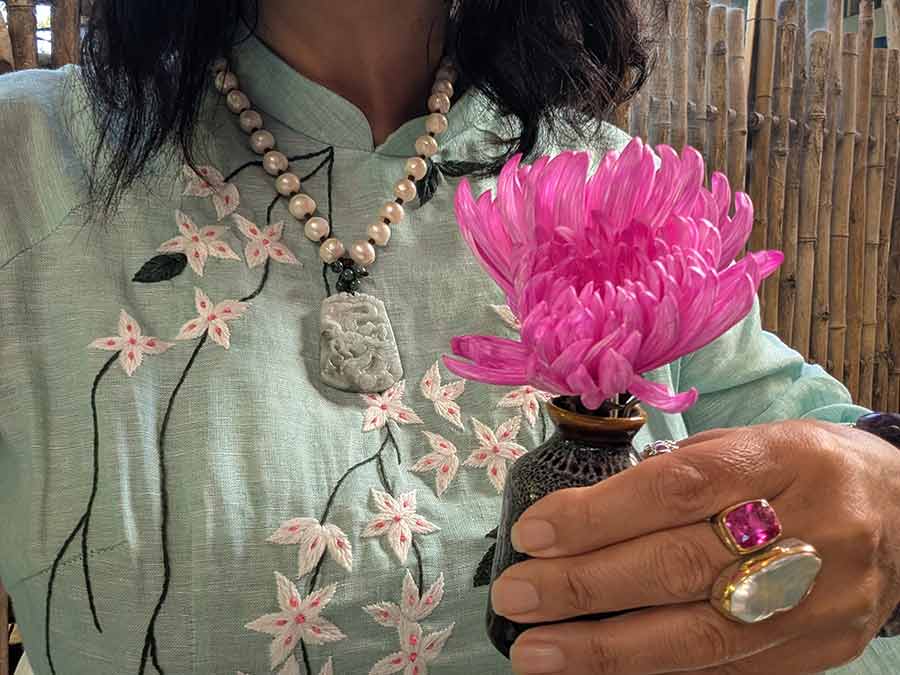
What does ‘slow traveler, customized lifestyle’ really mean?
This means we no longer travel to consume, but to create.
I don’t collect souvenirs. I cooperate with them.
When you turn 55, you don’t need more clothes, shoes, or other costume jewelry. We need objects that hold memories, intentions, and identity. Pieces that felt like they had been waiting for me long before I arrived.
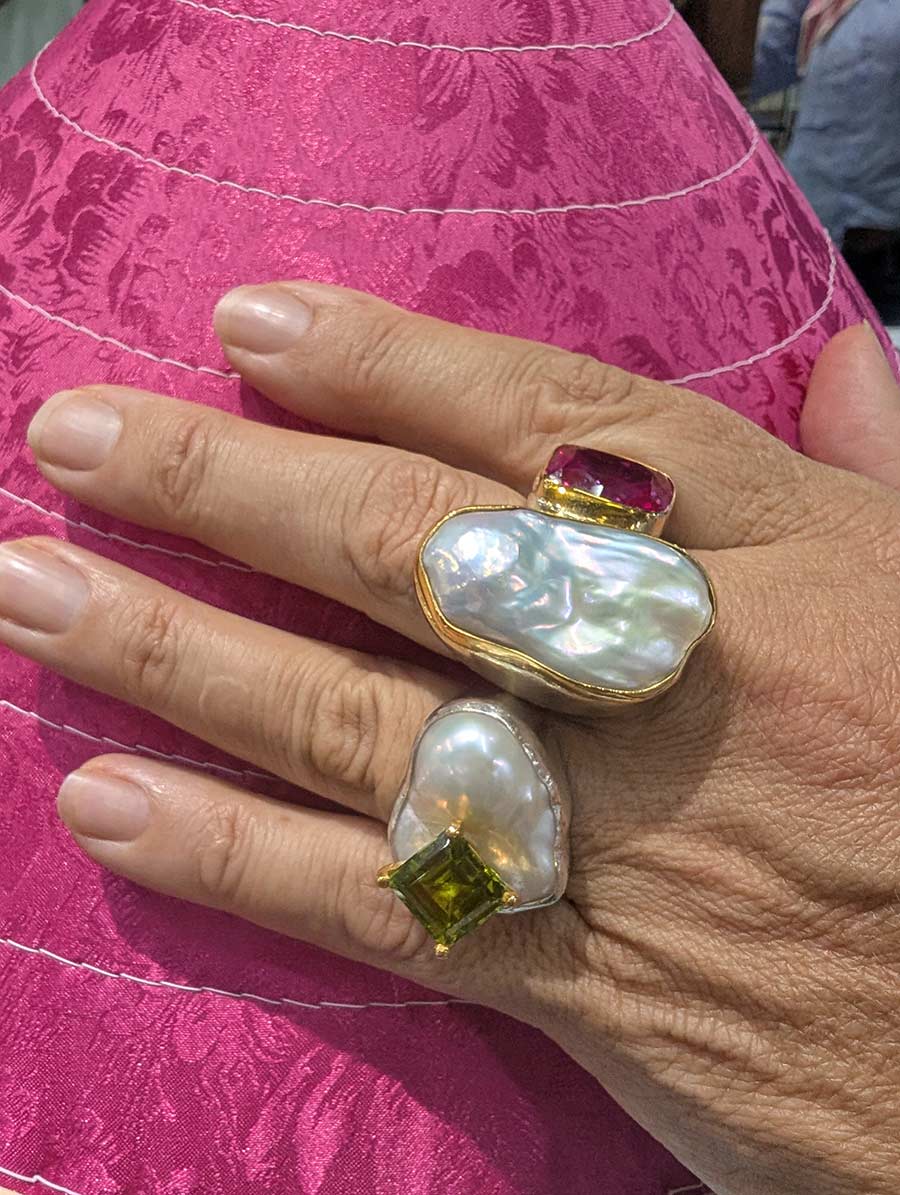
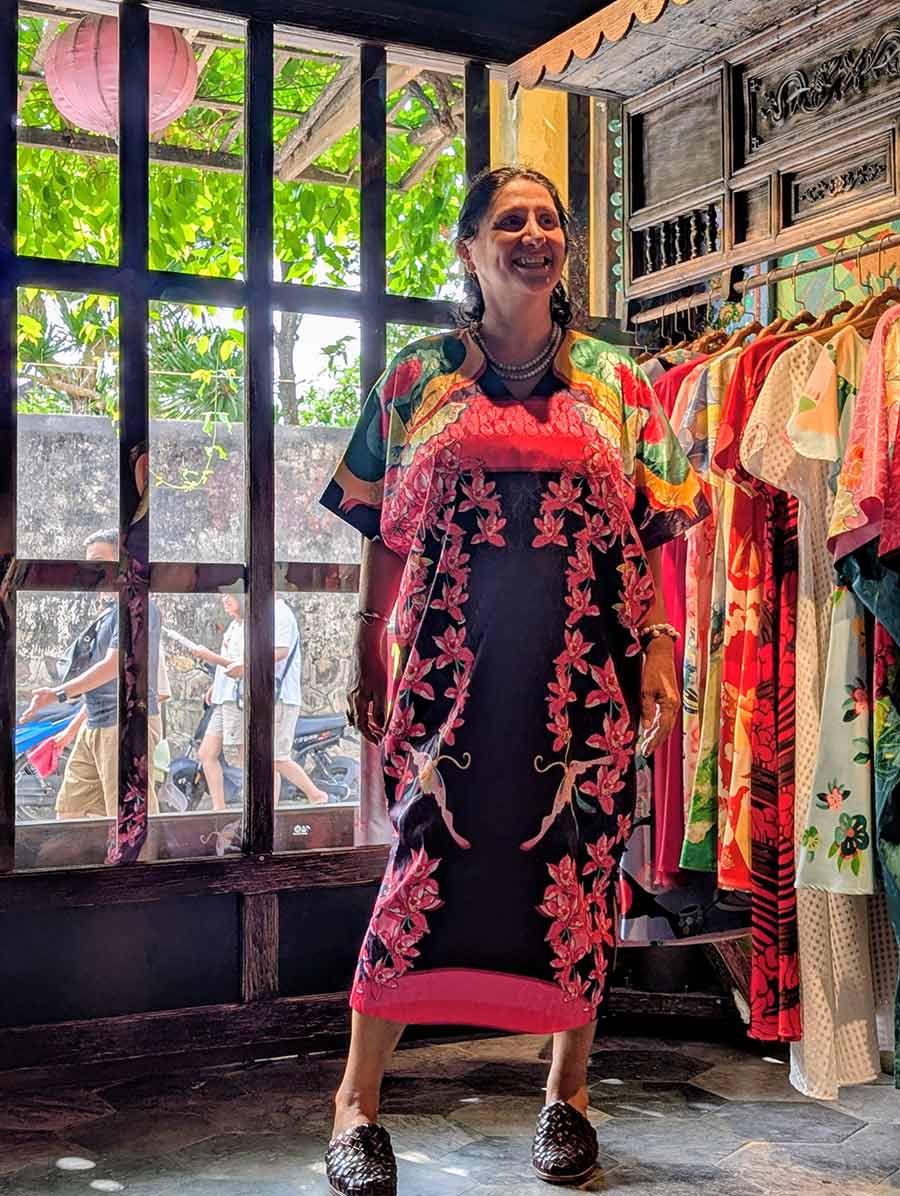
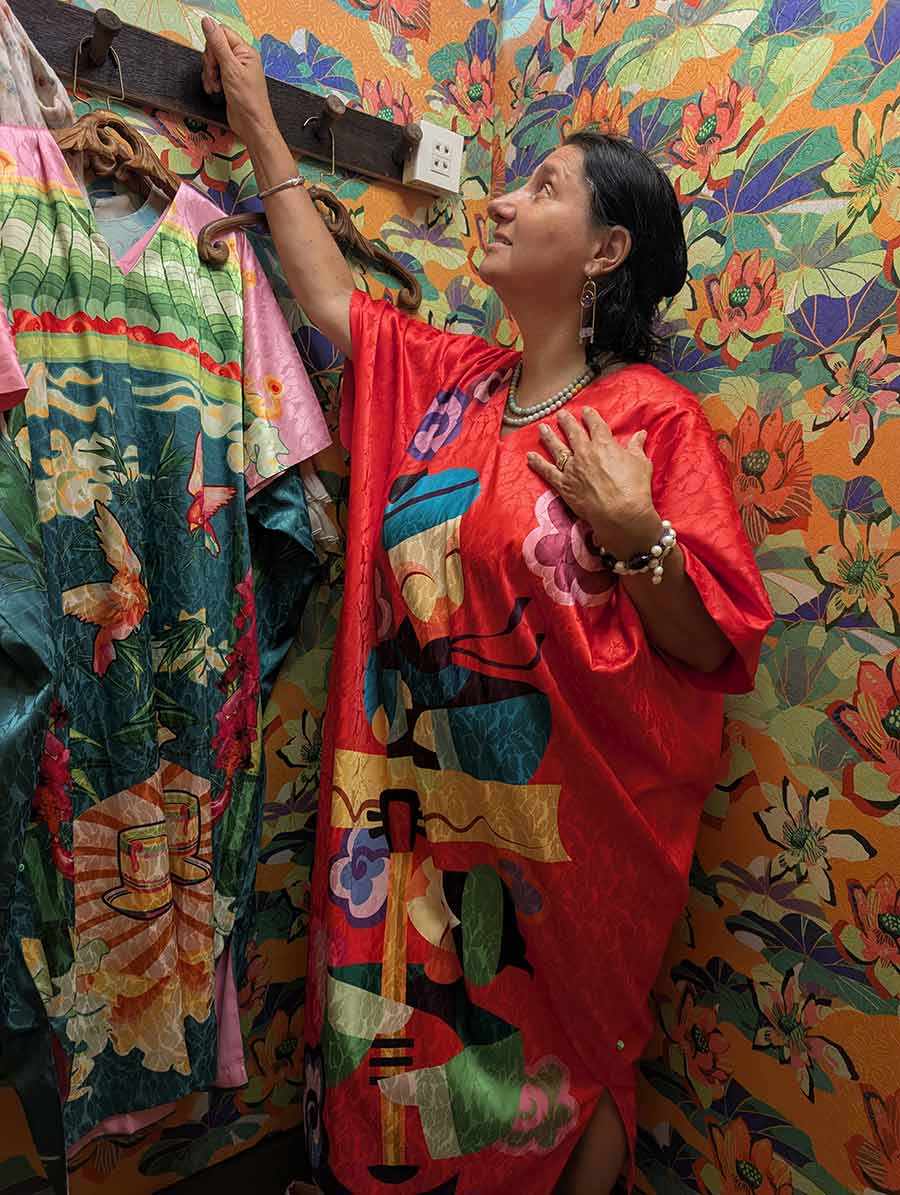
I live between Europe and Southeast Asia, primarily in an environment of increasing heat and humidity and changing cultural textures. My wardrobe has to adapt not only to the climate but also to the rhythm. Linen that breathes in Hoi An. Silk moving in Florence. Jewelry that makes a statement, not just an accessory.
Slow travelers understand that time is the greatest luxury. And over time, you gain access to unhurried craftsmanship, stories, and processes.

Clothes as living memories
When I design clothes, I start with the following questions:
What does my lifestyle require, not what fashion demands?
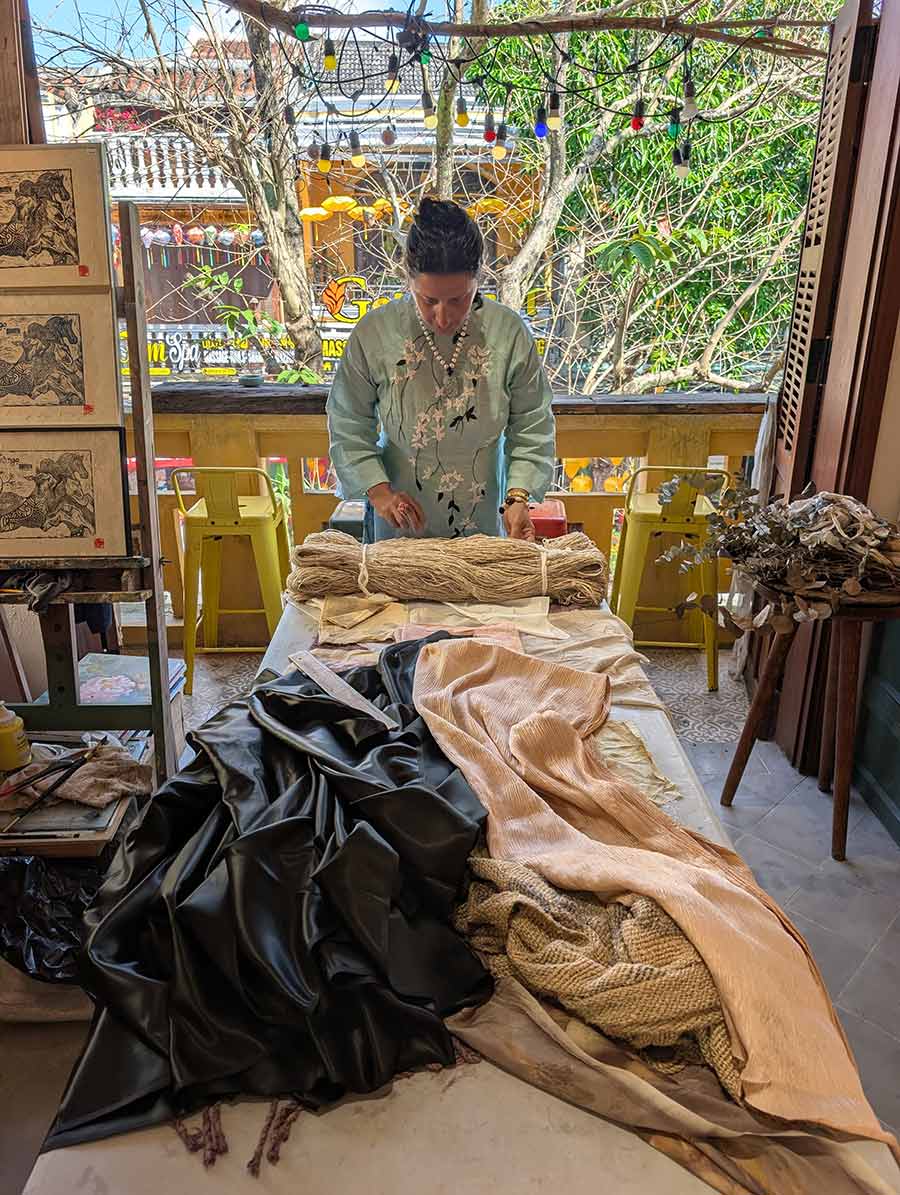
In Southeast Asia, it means natural materials, loose tailoring and breathability. In Europe, it is characterized by layering, structure and timeless silhouettes. But instead of buying off the shelf, I leave these needs to the artisans.
Vietnamese tailors don’t just sew fabric, they interpret the climate.
Italian seamstresses don’t just cut fabric; they understand posture, movement and presence.
Each piece becomes a dialogue between geography and identity.
And when I wear it, people notice, not because it screams luxury, but because it feels real.
Jewelry as the best souvenir
Clothing evolves, wears out, and is replaced. Jewelry lasts.
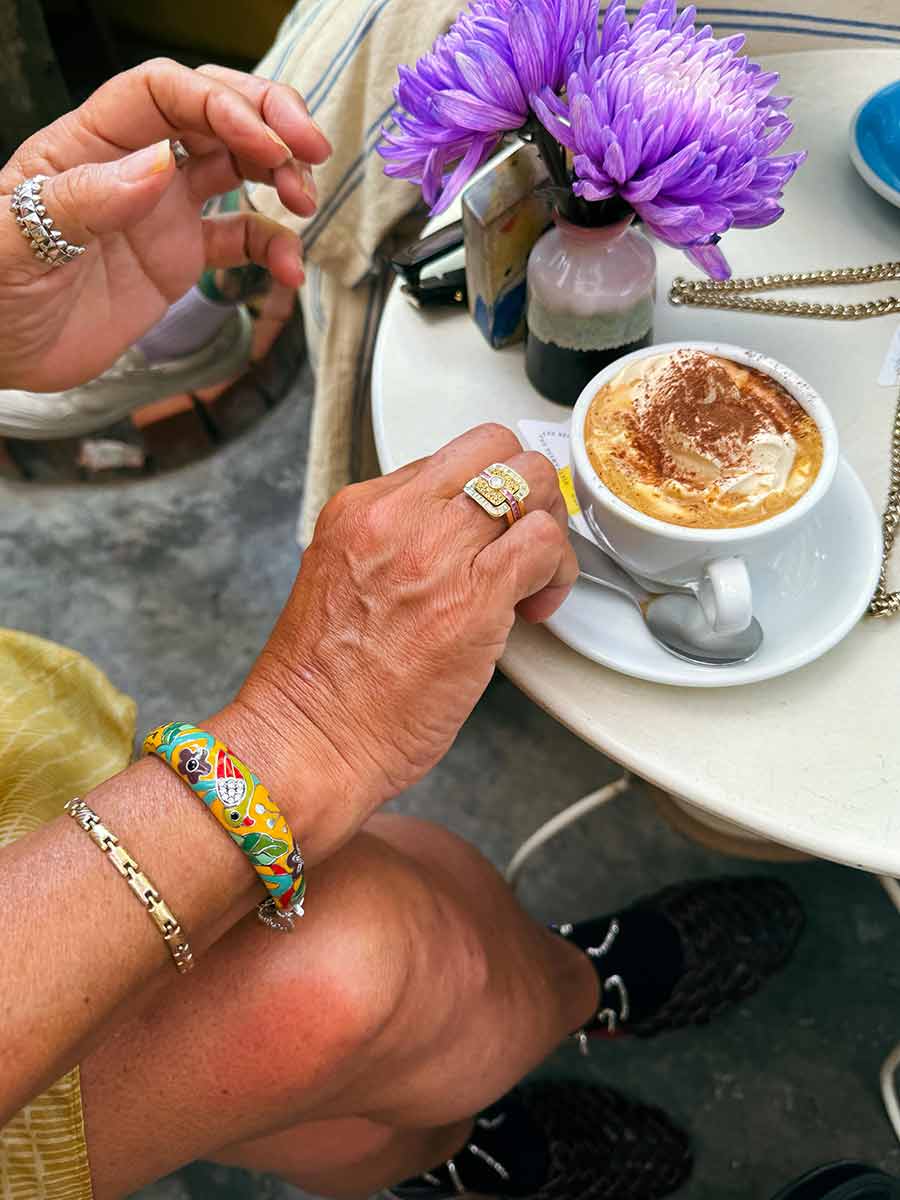
And to me, jewelry is where a bespoke lifestyle becomes very personal.
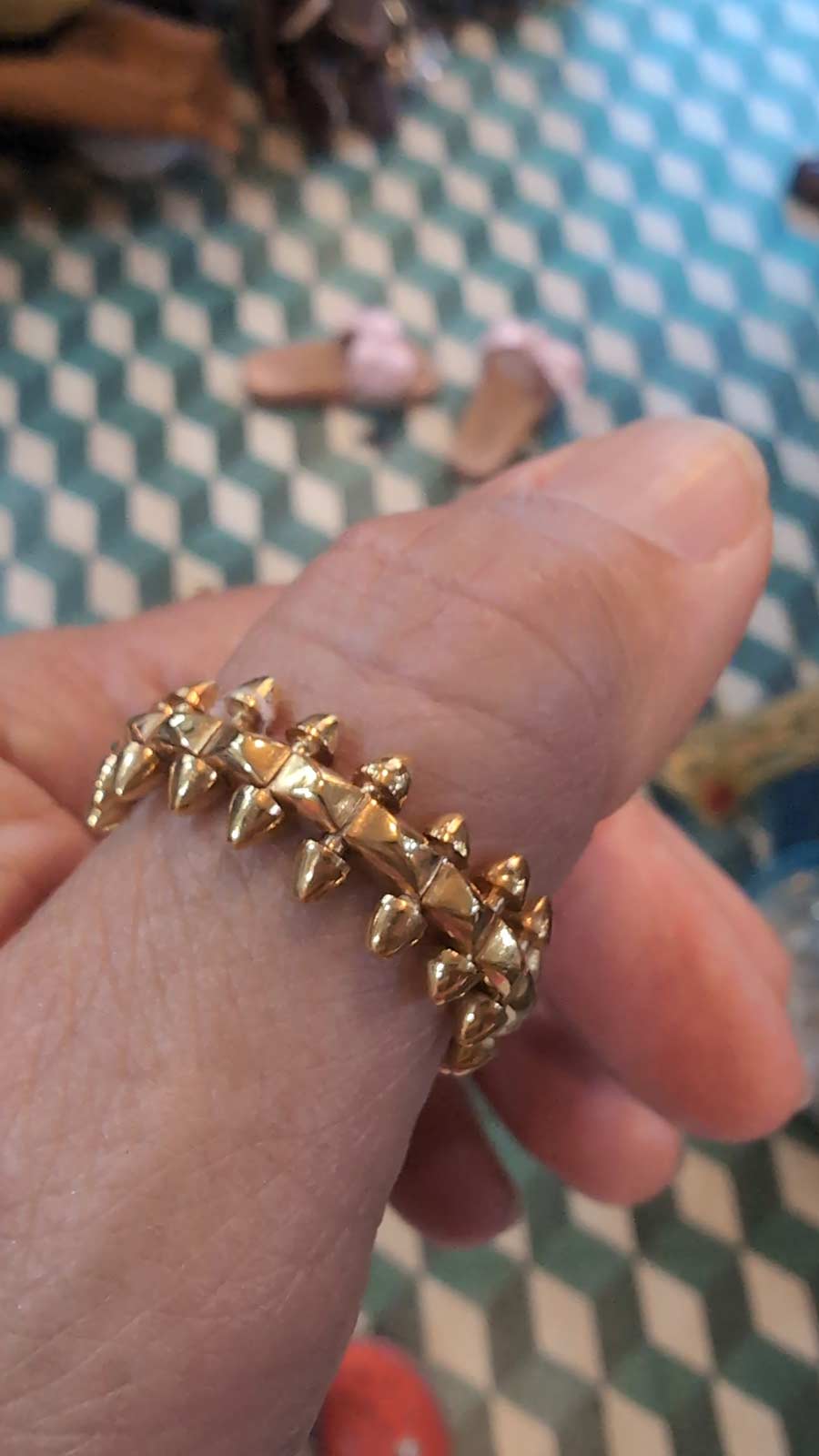
I don’t buy jewelry. I request it.
Every piece begins with a place, a moment, a conversation.
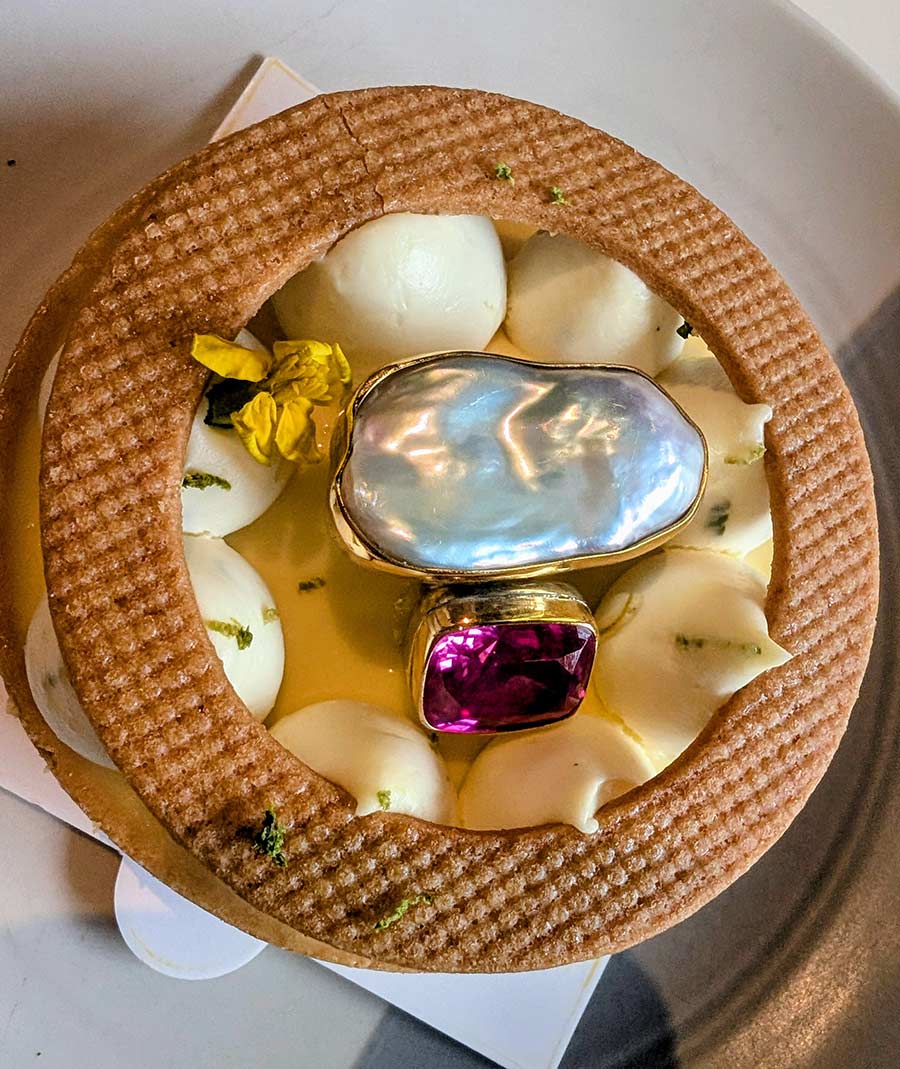
And nothing captures this philosophy better than an Australian sapphire and diamond ring.

Australian sapphire ring story
Australia produces some of the most unique sapphires in the world, including deep blue, turquoise and color-changing parti-colored stones.
But I don’t just go into the store and pick one.
I source my stones through a trusted network and am often guided by a gemologist who understands that I am not seeking perfection, but individuality.
Next comes the design.
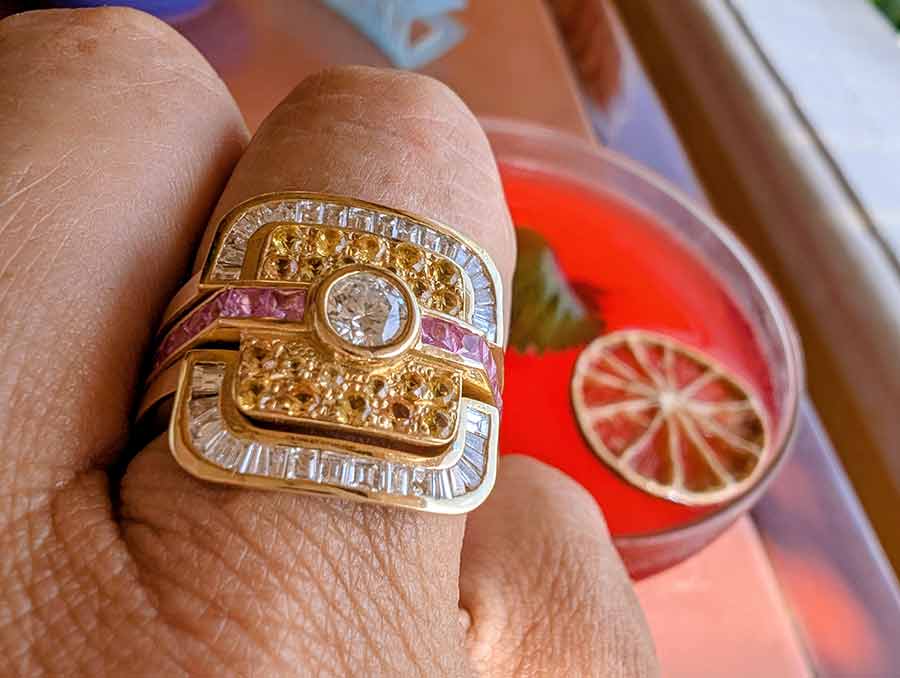
Rings are never just about stones. It’s about how it touches my hand, how it catches the light in the tropical sun and European twilight, how it feels when I gesture, hold the glass, and move through the room.
And this is where legacy comes in.
Italian gold for three generations
To me, gold is not just a substance, it is a bloodline.
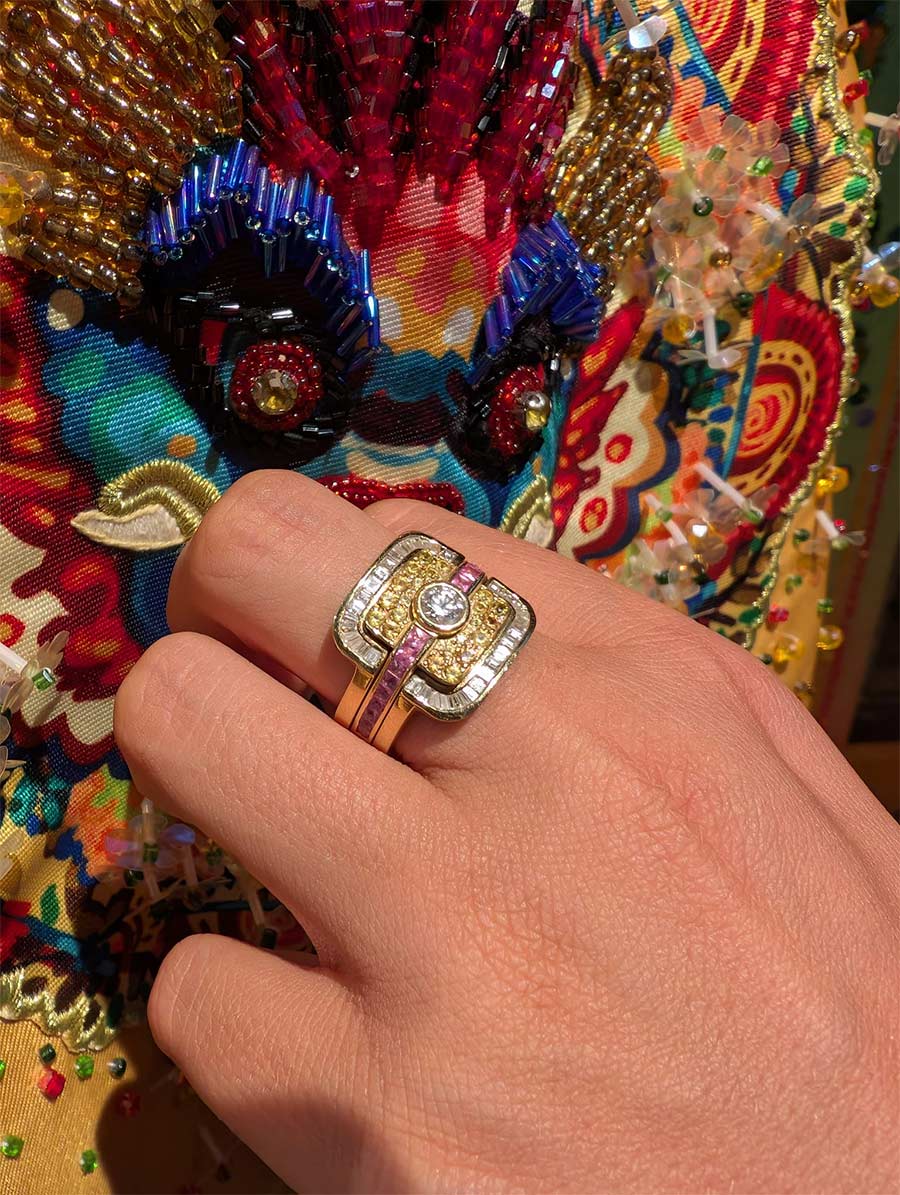
We work with Italian gold that has been passed down for three generations. Gold that melts, changes shape, wears out, and lives inside of it. Gold that contains history in its very composition.
Italy has had a goldsmithing tradition for centuries, especially in regions such as Vicenza and Arezzo. The technology is refined, but more importantly, it is respected.
When this gold meets Australian sapphire, something amazing happens.
Continents will merge.
Europe meets Australia.
The past meets the present.
The setting is anything but typical. Sometimes bold, sometimes organic, always intentionally sculpted.
Diamonds are added for contrast, not for status. They frame the sapphire, amplifying its colors and creating a dialogue between brilliance and depth.
Why customization is attracting attention
Strangers stop me when I wear one of these rings.
Not because they recognize the brand, but because they don’t recognize the brand.
“Where did you buy that?”
That question is the ultimate validation of a personalized life.
Because the answer is never simple.
It’s not a store. It’s not a label. That’s the story.
“I designed it between Italy and Australia.”
That response changes the conversation. It arouses curiosity. Make a connection.
And this is something no mass-produced product can achieve.

Energy over branding
We have been conditioned to believe that recognition equals value.
But in reality, energy attracts more people than a logo.
A custom piece embodies your decisions, your experiences, and who you are. It’s not about following trends, it’s about reflecting the life you’ve lived.
When you wear something that is truly yours, people feel it.
They may not understand why, but they react.
The Psychology of Owning Less but Owning Better
There is a quiet confidence that comes from needing less.
At age 55, I have revamped my life in major ways.
Every object I own has a purpose or story.
This is not minimalism. This is intentional curation.
Instead of 10 ordinary works, there is one exceptional work.
Invest time in creating rather than impulse buying.
And this change changes everything.
- Do less shopping
- you will be more grateful
- You connect more deeply
The role of travel in creation
In this context, travel is not an escape but an integration.
Each destination adds a layer to your personal aesthetic.
Vietnam gives me lightness and practicality.
Italy gives me structure and heritage.
Australia presents me with pure, natural beauty through its jewellery.
Slow travelers don’t rush through destination check boxes.
They stay. They observe. They cooperate.
They build relationships with artisans, artisans who understand materials in a way no algorithm can.


Gracie Opulanza Teaching Personalized Living
Gracie Opulanza’s philosophy is simple.
Don’t follow trends. Create a life of your own creation.
This means:
- Design rather than buy
- Collaborate rather than consume
- Invest in craftsmanship rather than brand
Understanding that the real value is not in the label, but in the process.
When you commission a piece, you become part of the story.
And the story becomes a part of you.

Final Thoughts: The Future of Style
The future is not fast.
It’s not noisy.
No label attached.
It is personal, slow and very intentional.
The words ‘luxury’ and ‘wellness’ may have lost their meaning, but that doesn’t mean the desire behind them has disappeared.
People still crave quality.
They still seek connection.
They still want to feel something when they wear clothes they own.
The difference is how we get there.
For me, it’s a custom-made life – one piece, one journey, one story at a time.
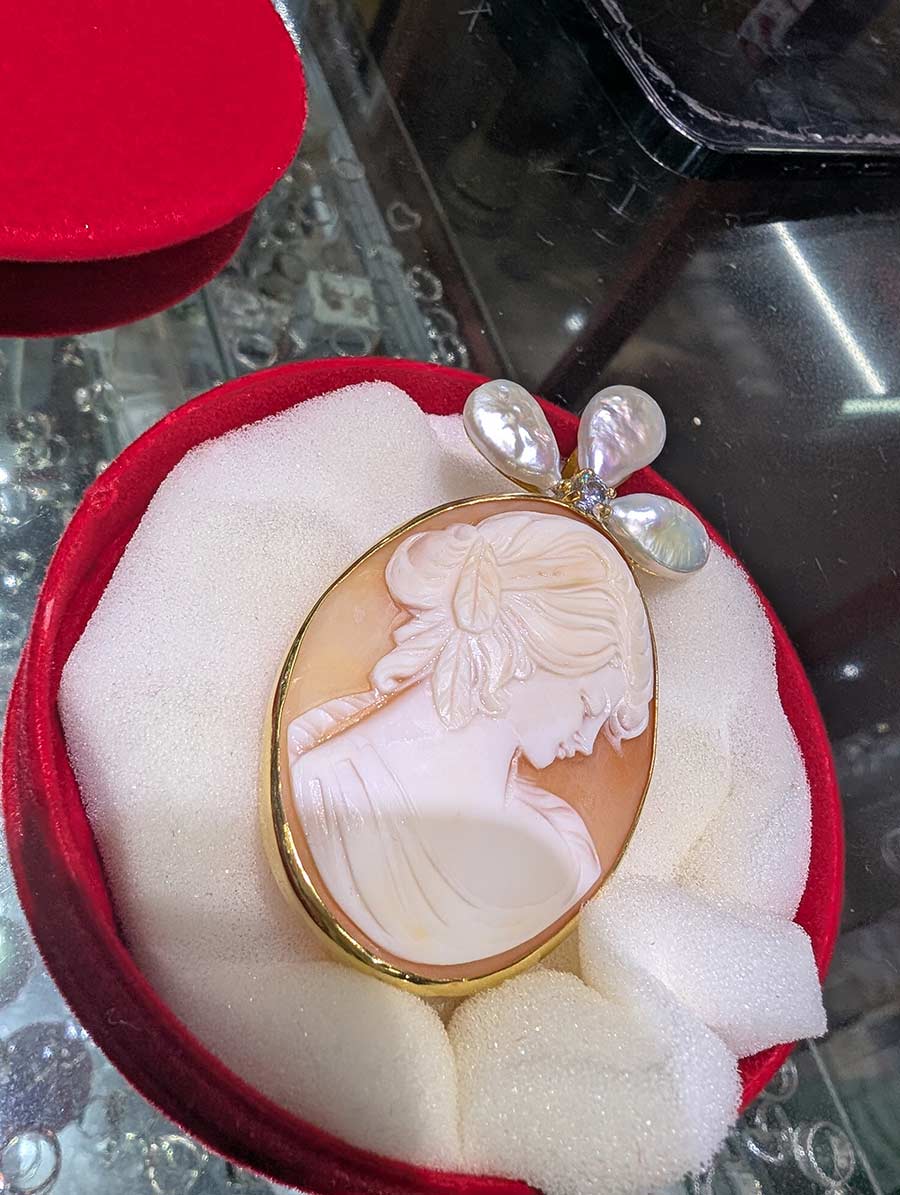
And when someone stops me to ask about a baroque pearl ring or sapphire piece, I just don’t tell them where it came from.
I tell them how it came into existence.

