



Deciding what to do in London is all part of the fun, but it can be overwhelming. Overflowing with history and contemporary culture, abundant in green spaces, and with events in four seasons, there is no shortage of ways to fill your time in the British capital.
The best London itinerary will mix heritage sites with modern attractions and getting outdoors. Besides ticking off museums, throw in a river cruise or visit an offbeat gallery if you’re wondering what to do in London for the first time.
The same applies to eating in London. Take the opportunity to try British classics like bangers and mash (pork sausages with mashed potatoes), but also factor in time to support the eateries sharing cuisines from all over the world.
This guide highlights the best things to do in London for a first-time visitor.
Jump to a section of this article
Weather in London & The Best Time To Visit
Travelers often feel daunted by the British weather; does it ever stop raining in London? While the capital is prone to showers, it’s not a daily occurrence, and there are plenty of indoor activities for a rainy day.
As the United Kingdom experiences four seasons, the time you choose to visit will depend on the types of activities you wish to partake in.
London summers are hot, with temperatures often pushing the high 80s. Winters are cold and damp, with reduced hours of daylight contrasting long summer days when the sun rises as early as 4 AM and sets as late as 10 PM.
The spring and fall months are the most pleasant time overall, bringing mild weather and stunning displays of spring blooms and autumnal foliage.
That said, rain can strike at any time in London. Heavy summer downpours are often followed by storms, while spring brings the most unpredictable weather patterns. Pack an umbrella to avoid dampening the experience.
Although the city is always busy, there is an uptick in tourism in July and August, over Easter and in the weeks leading up to Christmas. Late fall, spring, and early summer are the quietest times to visit London.
How Many Days To Stay in London
Three full days in London is sufficient time to see a selection of the most popular attractions, but there is enough to fill a week or longer. In fact, it’s next to impossible to run out of things to see and do in London, which is why many travelers return again and again.
What To Do in London
1. Wander Around London’s Museums & Art Galleries
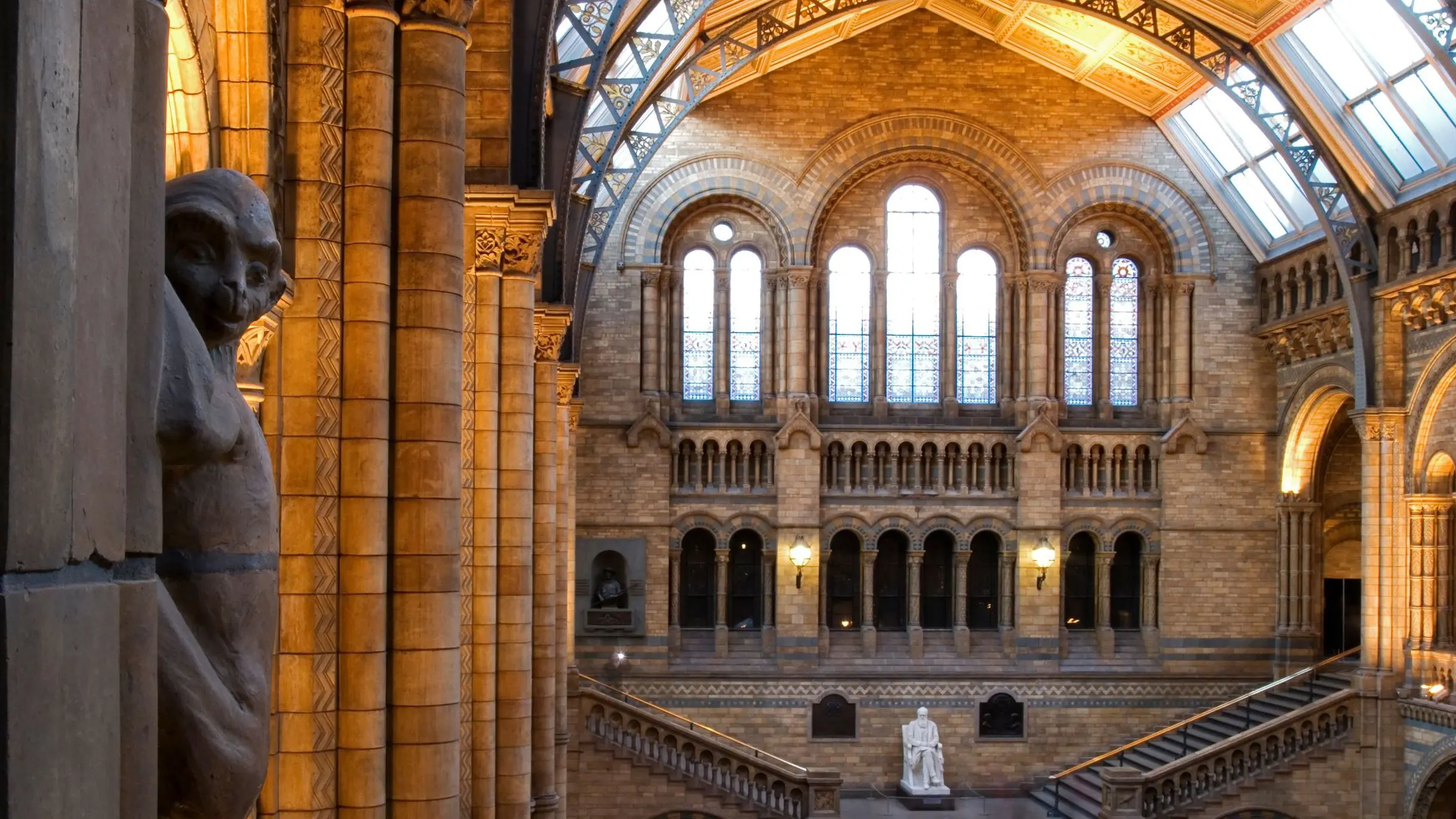
Most of London’s museums and art galleries are free to visit, and they’re ideal options for when rain strikes the capital. The Natural History Museum, Science Museum, British Museum, and the Museum of London are among those with free admission to the permanent galleries.
Temporary exhibitions, spotlighting specific moments from history or wildlife photography, do carry a fee and should be booked in advance as tickets are limited and not always available on the day.
Beyond these, the Museum of the Home, the Imperial War Museum, the V&A Museum of Childhood, and the Design Museum are notable institutions worth popping on your radar. They’re slightly less trafficked than the well-known museums and focus on specific topics.
Art enthusiasts can scope out pieces from Old Masters and modern creatives at Tate Modern, Tate Britain, and the National Gallery.
Besides the free museums, London is home to a rich collection of unique cultural venues that are worth the price tag.
The Sherlock Holmes Museum is a quirky option for fans of the novels and wannabe detectives, while the Museum of Brands sweeps you away on a nostalgic journey from the Victorian era to the swinging 1960s.
Dedicated to one of the greatest British institutions, the Postal Museum includes a ride on the Mail Rail underground train.
2. Wave To The King at Buckingham Palace
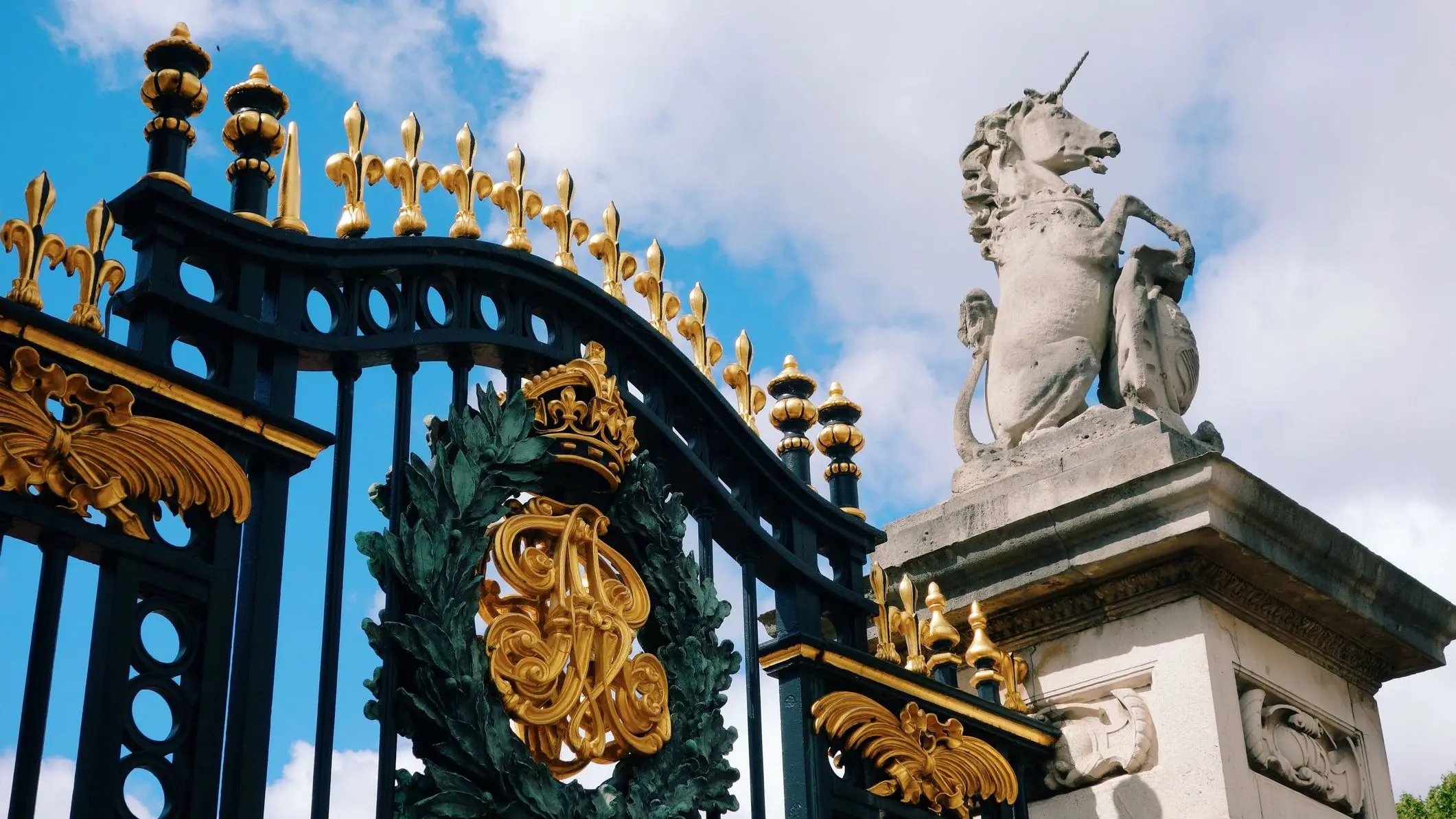
Perhaps the most prominent sight to see in London, Buckingham Palace is the residence and office of King Charles III. When the monarch is in residence, the Royal Standard flies above the property; at all other times, the Union Jack is raised.
Travelers are welcome to pose for selfies in the forecourt and peer through the gates to witness the Changing of the Guard on Monday, Wednesday, and Friday mornings.
Parts of the estate are open for guided tours during the peak summer months of July, August, and early September. These typically call at the State Rooms, the Throne Room, the gardens, and the stables.
3. Learn Medieval History at The Tower of London
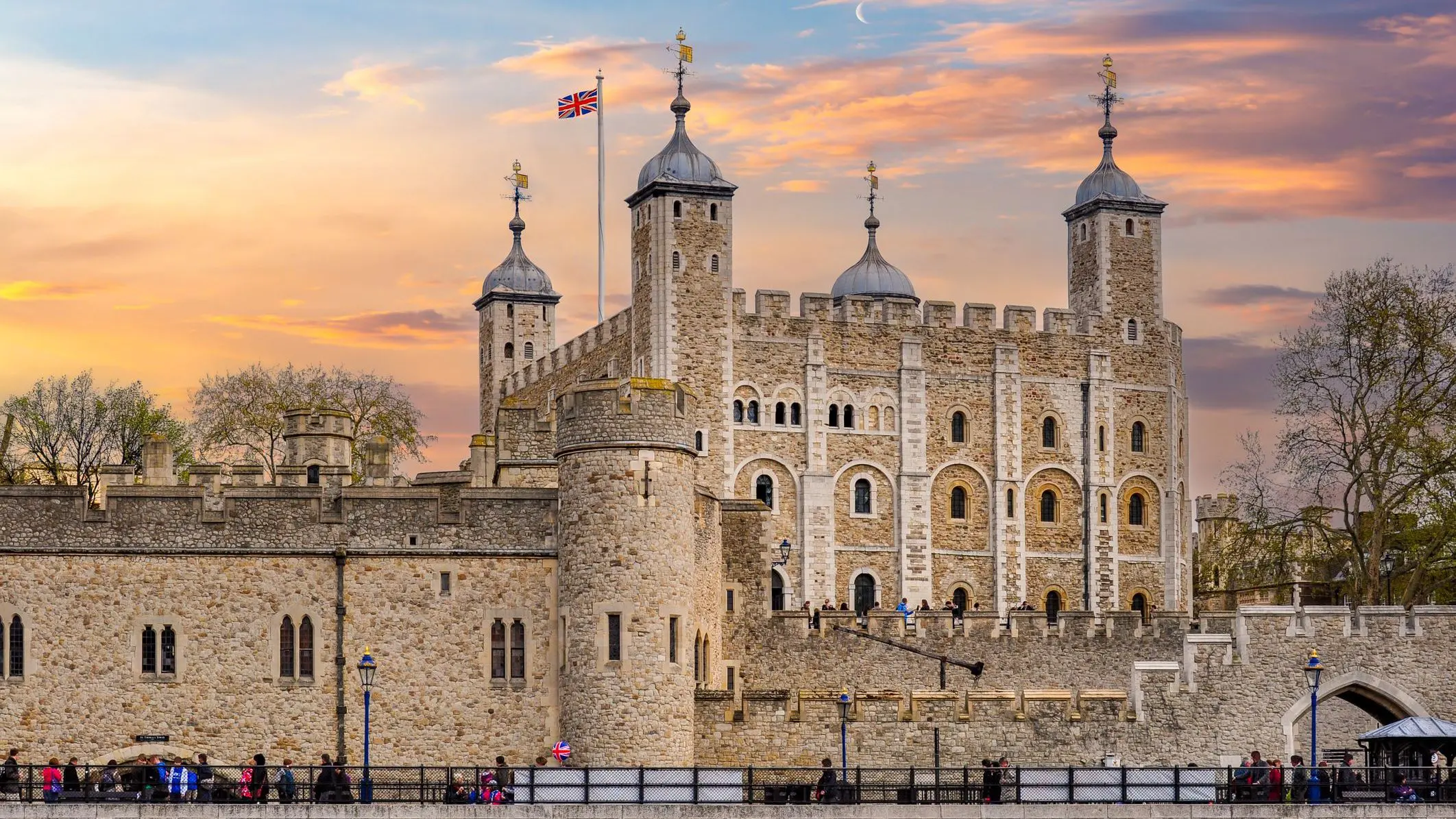
This medieval palace, prison, and military fortress stands on the North Bank of the River Thames, steps from Tower Bridge.
Yeoman Warders stand on duty throughout the complex, available to shed light on the Tower of London’s storied history. Local legend says that if the resident unkindness of ravens ever departs, the city will fall.
Highlights of the Tower of London include the White Tower (one of the oldest parts of the compound, which now contains the armor of Henry VIII) and the Wakefield Tower.
The latter is known as the Bloody Tower due to its gruesome past. This is where the young princes Edward and Richard were supposedly murdered by their uncle. The Crown Jewels stand under armed guard at the Jewel House.
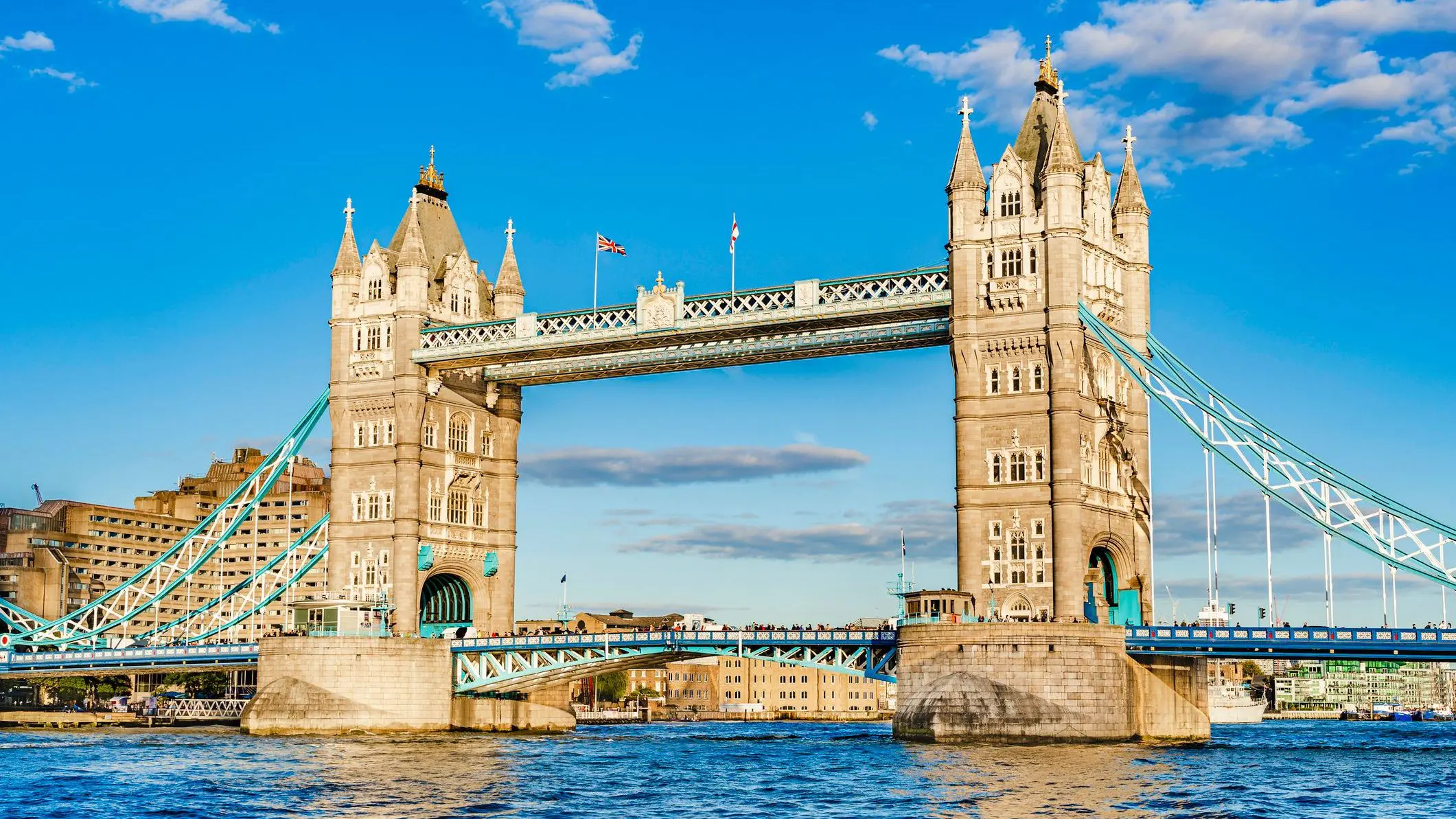
4. Admire Victorian Engineering at Tower Bridge
Coincide your visit to the medieval stronghold by strolling across Tower Bridge, one of London’s most defining landmarks.
Often mistakenly referred to as London Bridge (a far less ornamental river crossing), this 19th-century masterpiece is a combined bascule and suspension bridge identifiable by its twin neo-Gothic towers and striking blue paintwork.
As with many London tourist attractions, Tower Bridge can be appreciated at ground level; it is a willing model for amateur photographers. However, the exhibition offers a fascinating perspective on Victorian engineering through its towers and engine room.
The views are equally spectacular, with visitors having the option to walk over a panoramic glass walkway.
5. Tour The Palace of Westminster & Climb The Big Ben
The Palace of Westminster, or the Houses of Parliament, lies at the heart of British democracy. This riverside complex includes the House of Commons and the House of Lords, the two legislative chambers responsible for the nation’s political landscape.
Watching over the northern wing and the river, the Elizabeth Tower houses the iconic Big Ben, officially the Great Bell, which strikes every hour on the hour and causes a commotion on the streets below.
Guided tours operate in the Palace of Westminster, allowing visitors a look behind the scenes and insight into the daily operations of the British government; it’s sometimes possible to spectate on debates.
Tours of Westminster must be booked in advance. Tours also run at Elizabeth Tower, with a 334-step climb bringing you to the mechanism room.

6. Find Your Feet on a London Walking Tour
For a first-time visitor wondering what to do in London, a walking tour is a fine choice of activity. These walking tours help you get the lay of the land and fill in any gaps from your high school history classes.
Heritage-focused tours take place around Westminster and the City of London, covering the basics of major landmarks such as Big Ben, St. Paul’s Cathedral, and the Tower of London.
A local tour guide is the right person to reveal hidden tales from London’s past, focusing on political movements, medieval happenings, and how the city has bounced back from the likes of fires, plagues, and wars.
Countless themed walking tours focus on a particular topic or moment from the past, such as East End gangsters, espionage, supernatural tales, popular culture, and social history.
Others focus on the beloved brand, Harry Potter, or the heinous crimes of Jack the Ripper, while there’s always a delicious food tour to join.
If you are curious about a bit of everything, opting for a customized private walking tour of London is highly recommended.
7. Explore London’s Vibrant Neighborhoods
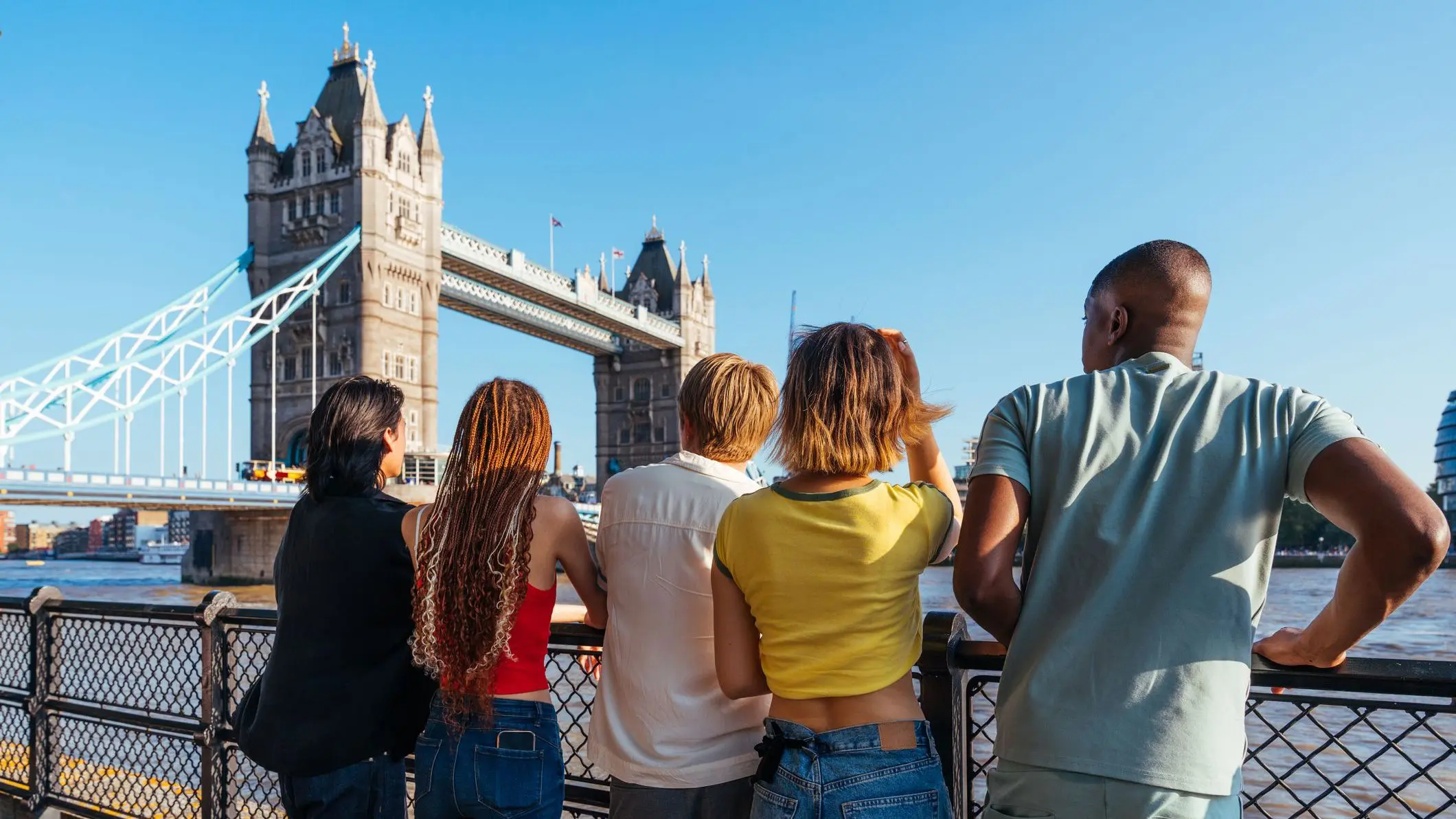
London’s 32 boroughs are divided into 48 smaller neighborhoods, and no two are alike. During your exploration of monumental sights, you’ll get to see the likes of Westminster, Kensington, Soho, and Fitzrovia.
Other neighborhoods are more residential; these carry fewer major attractions but offer an exciting environment for shopping and dining.
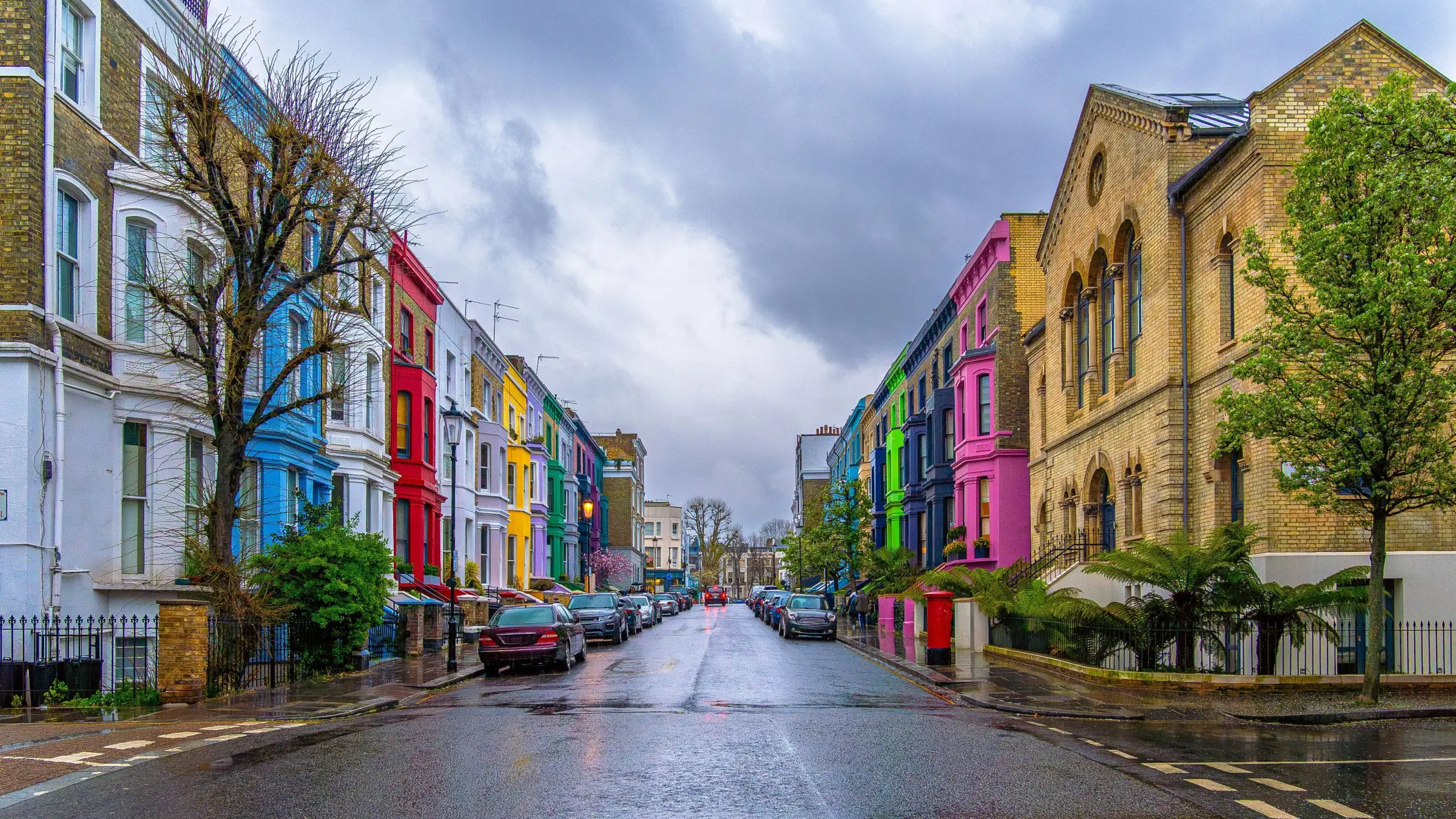
Bohemian Notting Hill is a hub for antique shopping at the Portobello Road Market, dining at trendy eateries, and taking in charming mews houses and pastel-hued terraces. Also known as Little Venice, Maida Vale is a serene enclave with canalside cafés and romantic gastropubs.
Affluent Chelsea fuses art galleries with the elevated brunch cafés and designer shops of the King’s Road. Wapping’s historic dockside warehouses are now occupied by traditional pubs overlooking the river from fireside nooks or beer gardens.
8. Stroll Along Covent Garden’s Chic Streets
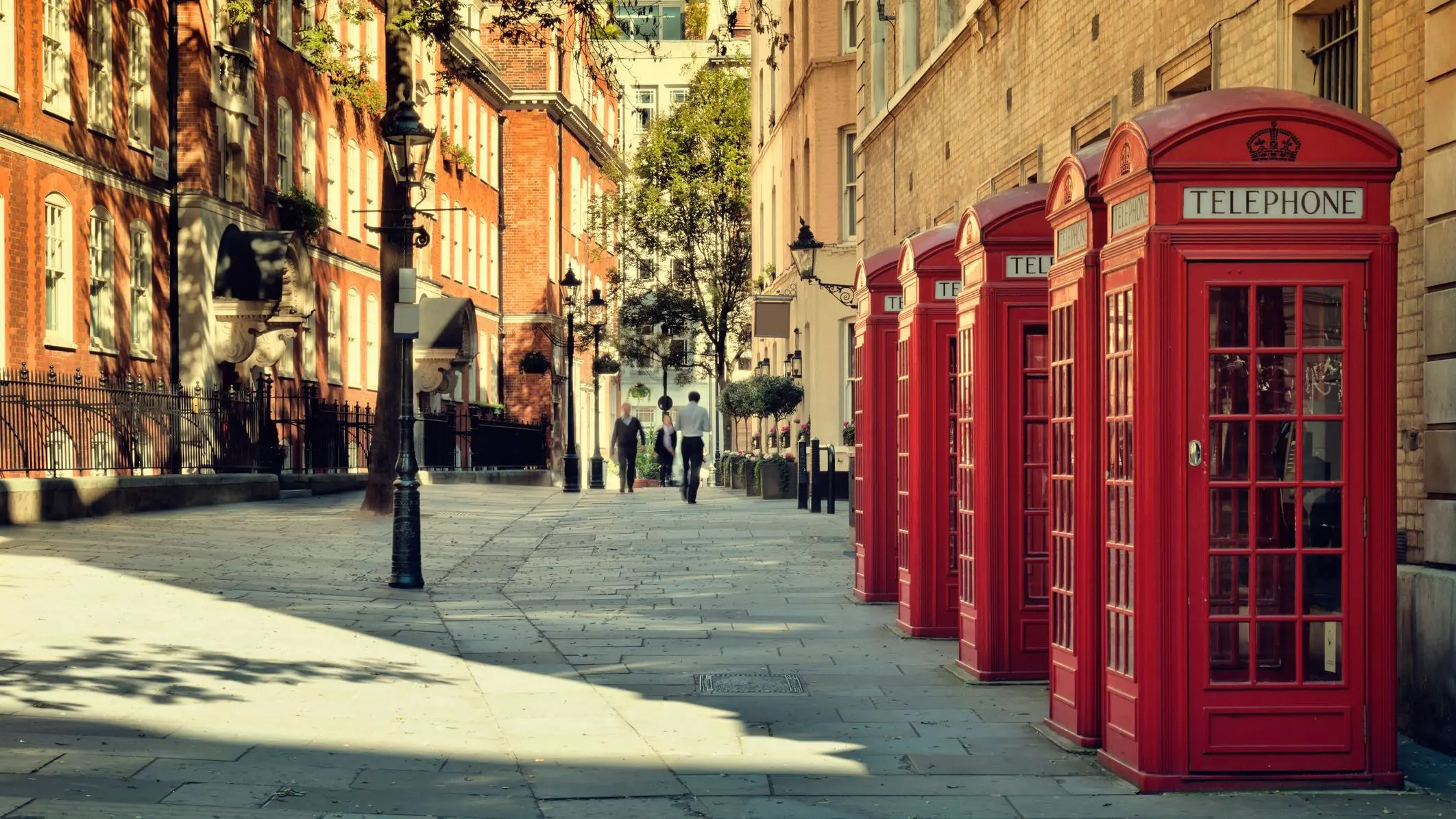
Covent Garden is one of London’s most desirable neighborhoods for travelers, offering classy dining and unique shopping. It’s also part of London’s West End Theaterland.
What was once a fruit and vegetable market stands at the epicenter of the main plaza, brimming with concept stores, artisan pop-ups, chic boutiques, and upmarket cafés. Cobblestone streets fan out from the covered market, packed with unique shops and cultural destinations.
The Royal Ballet & Opera House stages some of London’s grandest productions during the winter months (The Nutcracker is a firm favorite) and offers backstage tours throughout the year.
London Transport Museum is a fascinating opportunity to learn how movement in the city has evolved over the centuries. The collection includes vintage trams, buses, and subway trains.
Covent Garden’s St Paul’s Church is a nice contender for how to spend an evening in London; this compact church hosts intimate, candlelit concerts. The nearby St Martin-in-the-Fields Church also has a regular programme of classical performances as well as free lunchtime recitals.
9. Marvel at Cristopher Wren’s St. Paul’s Cathedral
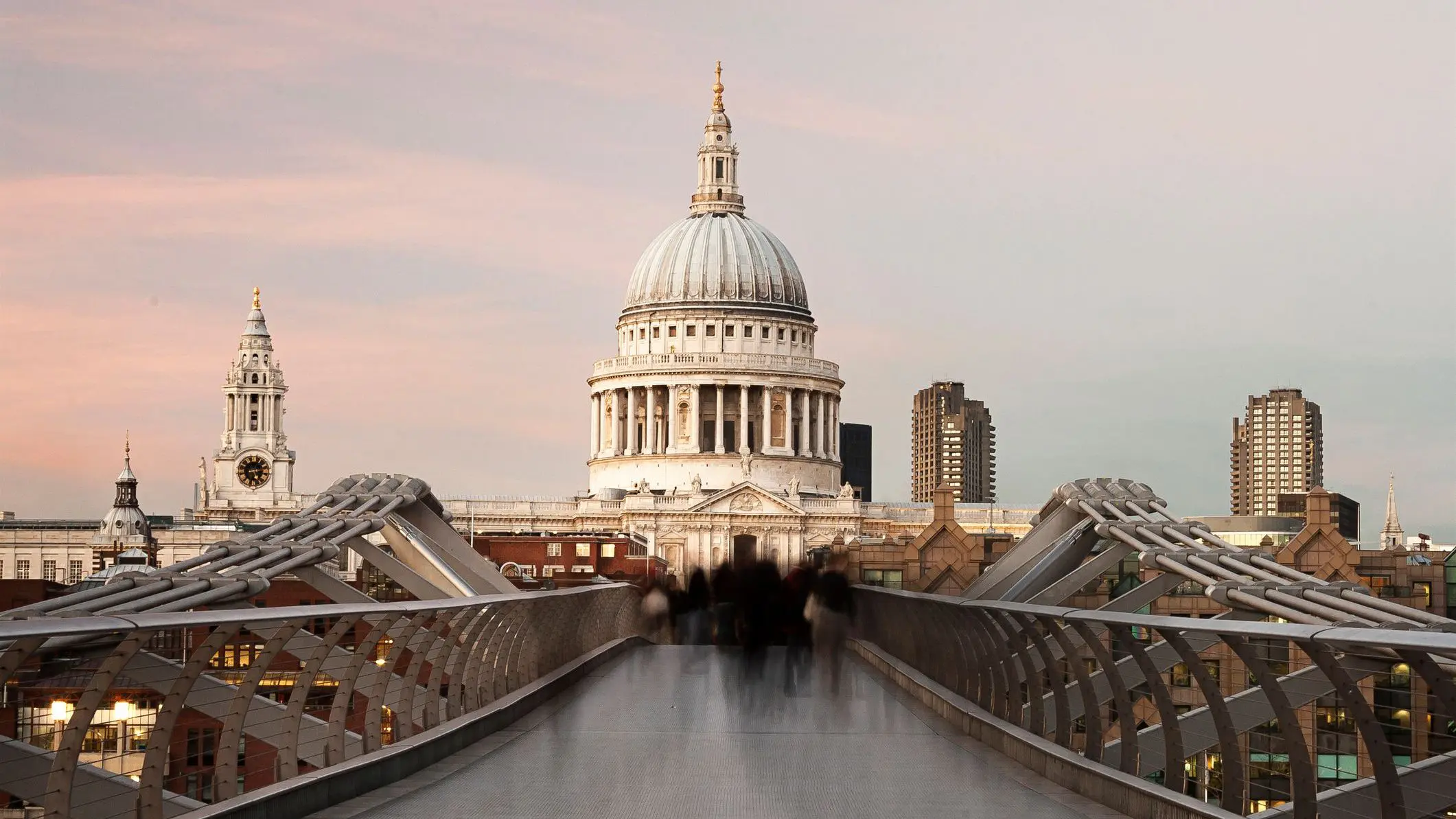
A masterpiece of English Baroque architecture, St. Paul’s Cathedral was designed by Sir Christopher Wren after the Great Fire of London destroyed its medieval predecessor. The cathedral that stands today, recognizable for its colossal dome that dominates the City of London’s modern skyline, was completed in 1710.
St. Paul’s Cathedral has played an integral role in British national life, hosting the funerals of Lord Nelson, Winston Churchill, and Margaret Thatcher, as well as the wedding of Prince Charles and Lady Diana Spencer.
It’s remarkable to see the church from the outside, but venturing inside is highly recommended. Tickets permit access to the cathedral floor and the Whispering Gallery, where you can communicate with your companions from either side of the balcony.
You may also visit the crypt, where notable figures are buried, and take in city views from the external Stone Gallery and Golden Gallery.
10. Relax at London’s Parks & Green Spaces
Central London is surprisingly green, with vast royal parks and lush squares popping up across the capital. For those staying in the West End, you’ll be able to call Hyde Park your backyard.
Popular with roller skaters and runners, trails loop around the Serpentine Lake and cross into Kensington Gardens, the setting for its namesake palace and the Serpentine Gallery.
The nearby St. James’s Park is even more photogenic, especially in the fall, with handsome views of Buckingham Palace and a lake full of ducks, geese, and pelicans.
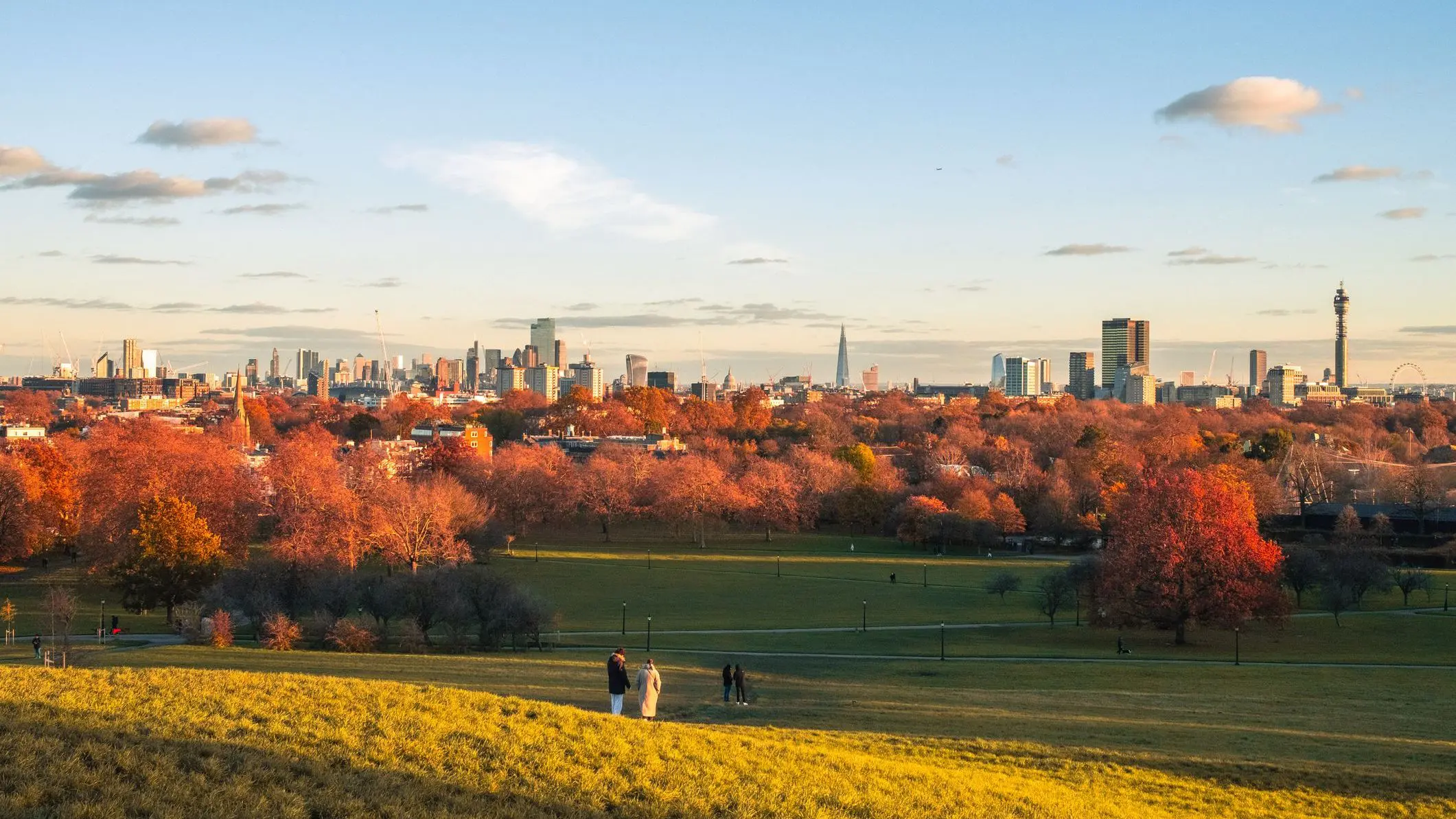
Visit Regent’s Park (home of ZSL London Zoo) later in the day, and you can combine a stroll around the rose gardens with catching the sunset over the city from Primrose Hill. This small mound makes a regular appearance in London-based movies and TV series.
For more of a workout, Hampstead Heath’s walking trails weave through dense forests and hilly meadows. This public park also has three natural swimming ponds, which are especially refreshing during the summer months.
For those who prefer not to swim in the company of ducks, reserve a session at Hampstead Heath’s Parliament Hill Lido or Hyde Park’s Serpentine Lido.
11. Spend an Afternoon in Maritime Greenwich
The borough of Greenwich is a convenient outing from Central London for those eager to combine open space with history and hearty food.
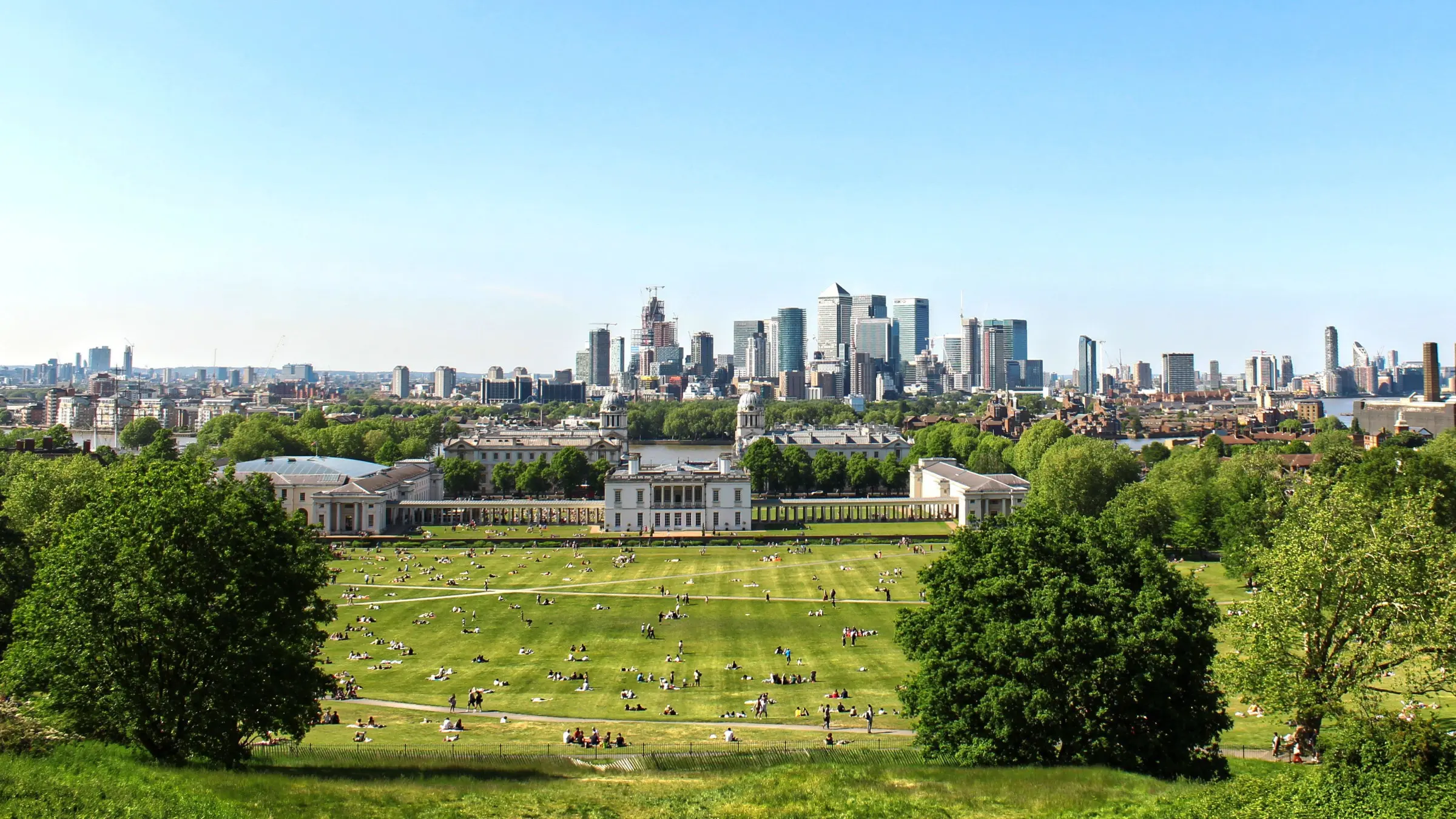
The village-like maritime neighborhood is where you’ll find the Cutty Sark (one of the last tea clippers to be constructed, now an immersive museum) and the National Maritime Museum. Parts of the Old Royal Naval College, such as the breathtaking Painted Hall, are also open to visitors.
Ascend the gentle hills of Greenwich Park for panoramic views towards Canary Wharf and the City of London. The Royal Observatory stands at the highest point, with astronomical exhibits and a planetarium open to the public.
This riverside enclave has a vibrant food market serving international bites and traditional pubs. It’s a lovely day out for a family with kids or a couple.
12. Savor London at The City’s Markets
Borough Market is one of the most sought-after London destinations for foodies craving mouthwatering street food. This covered market serves fresh produce alongside pantry items and ready-to-eat dishes.
The offering focuses on British-grown and reared ingredients, although stalls also sell dishes inspired by global gastronomy. Spanish paella, Indian curries, and Ethiopian stews are among the mainstays, although stalls change from time to time.
Besides Borough Market, there are several other street markets. Camden Market is a hotspot for clothing, antiques, and off-the-wall souvenirs, as well as a plethora of casual dining options.
Brick Lane is, arguably, the home of South Asian cuisine in London, with food stalls and curry houses bringing a taste of India, Bangladesh, and Pakistan.
Maltby Street Market operates exclusively on weekends, with rotating vendors selling gourmet scotch eggs, Cuban sandwiches, and Middle Eastern flatbreads alongside craft brews and specialty coffee roasters. You’ll also come across smaller street markets in neighborhoods such as Vauxhall and Angel.

13. Don’t Miss a London West End Show
Catching a West End production is one of the best things to do in London at night. Longstanding shows, such as Disney’s The Lion King, The Mousetrap, Les Miserables, and Wicked, are housed at historic West End theaters and show no signs of shutting up shop.
Other shows, often starring A-listers, and touring productions operate for a shorter runtime. These productions are more likely to sell out, so strategic planning is essential.
Besides the traditional West End playhouses, you’ll find contemporary spectacles at the National Theater and the Southwark Playhouse. Those visiting London in the summer can see an open-air performance at Shakespeare’s Globe, with the option to purchase standing or seated tickets.
Looking for a giggle? There are a dozen comedy clubs dotted around Soho and Covent Garden, hosting stand-up comedians, including fledgling acts and household names.
14. See The Symphony Orchestra at The Barbican Center
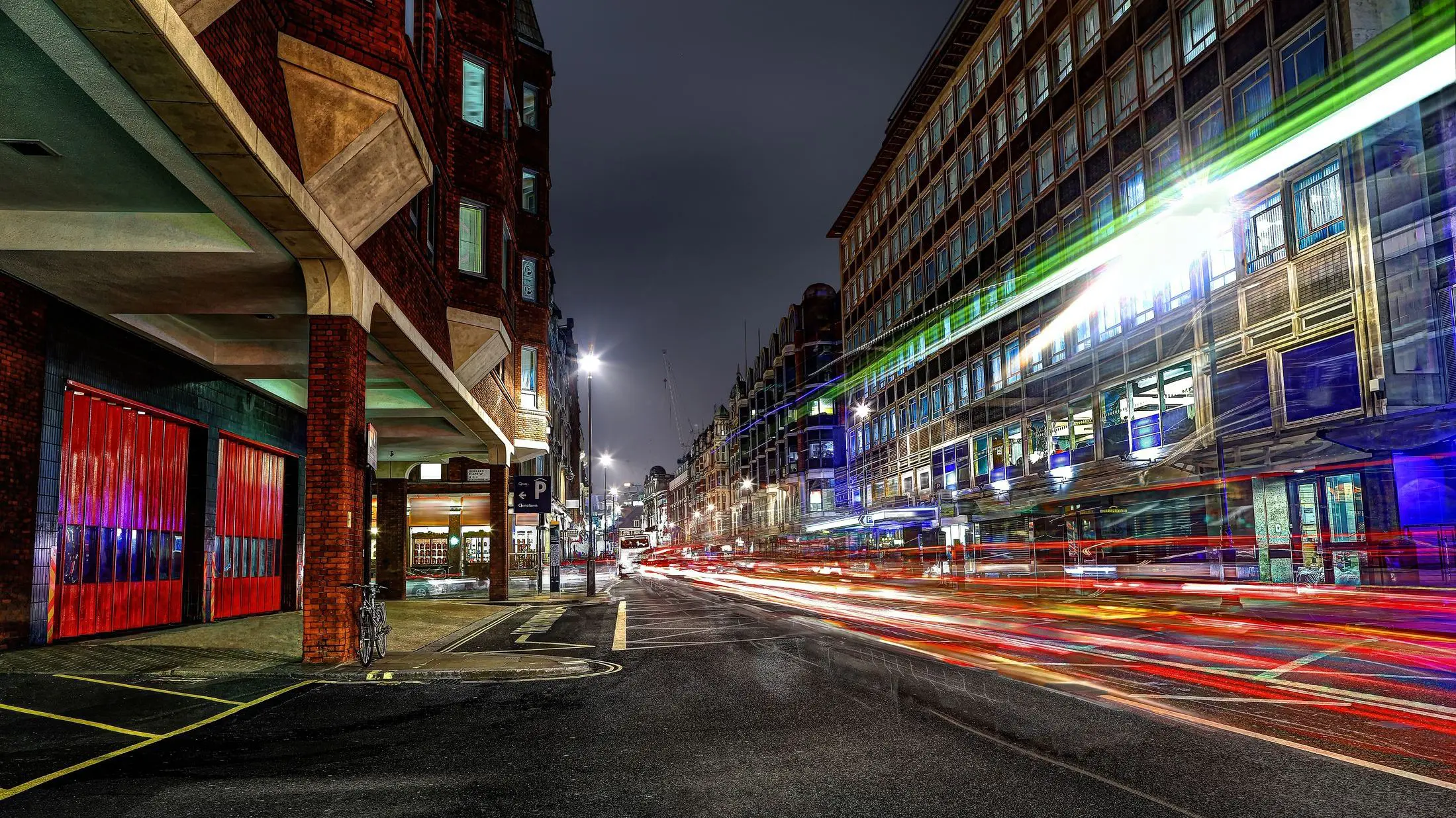
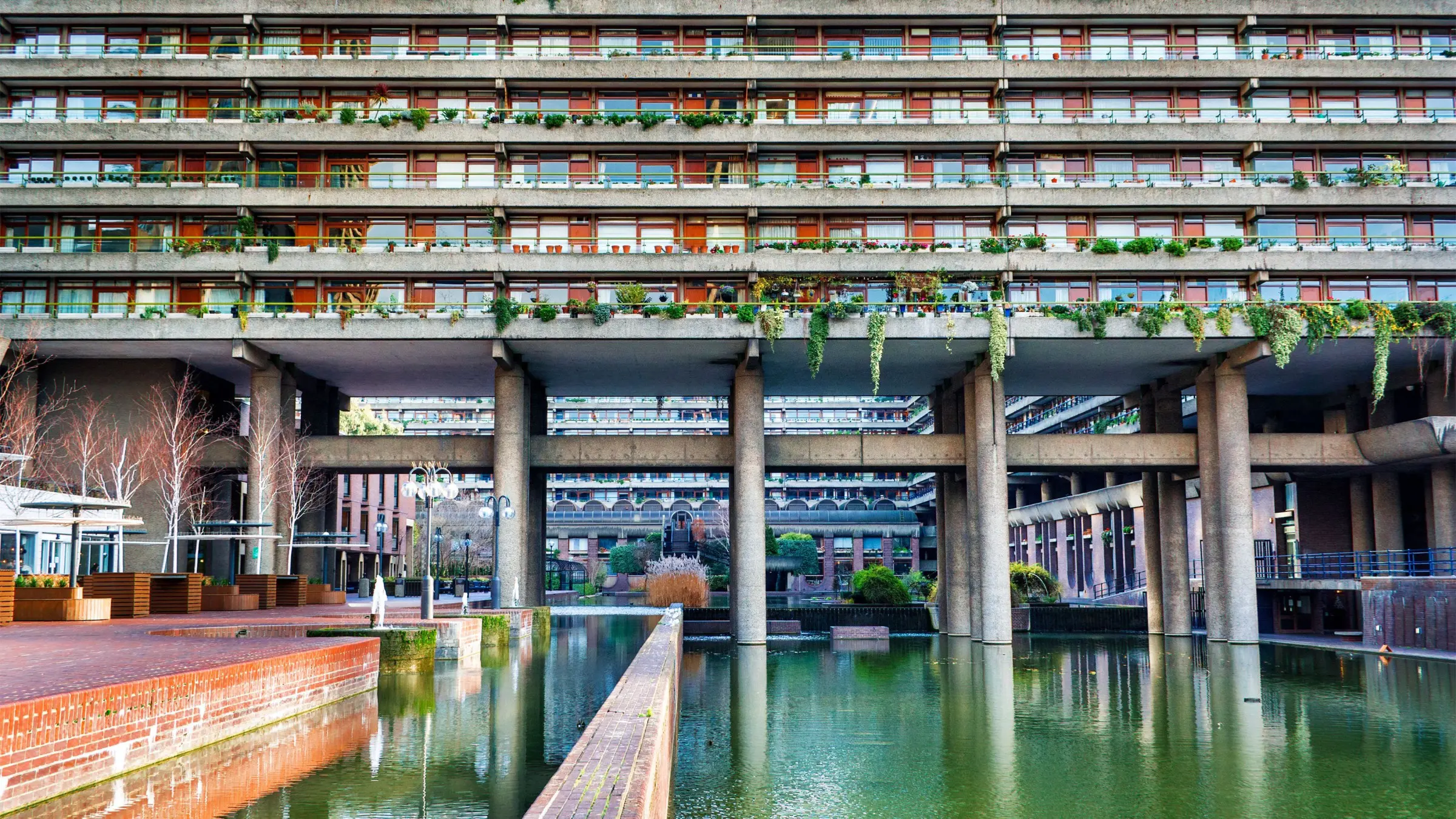
The Barbican Center is one of London’s most underrated venues. This brutalist monolith is home to the London Symphony Orchestra, which makes regular appearances in the concert hall. This cultural space also hosts classical music productions, contemporary dance, arthouse cinema, and engaging talks.
Guided tours shed light on the architecture of the building, and circuits of the Barbican Conservatory immerse you in a hidden oasis in the heart of London.
15. Be Amazed By London’s Skyline
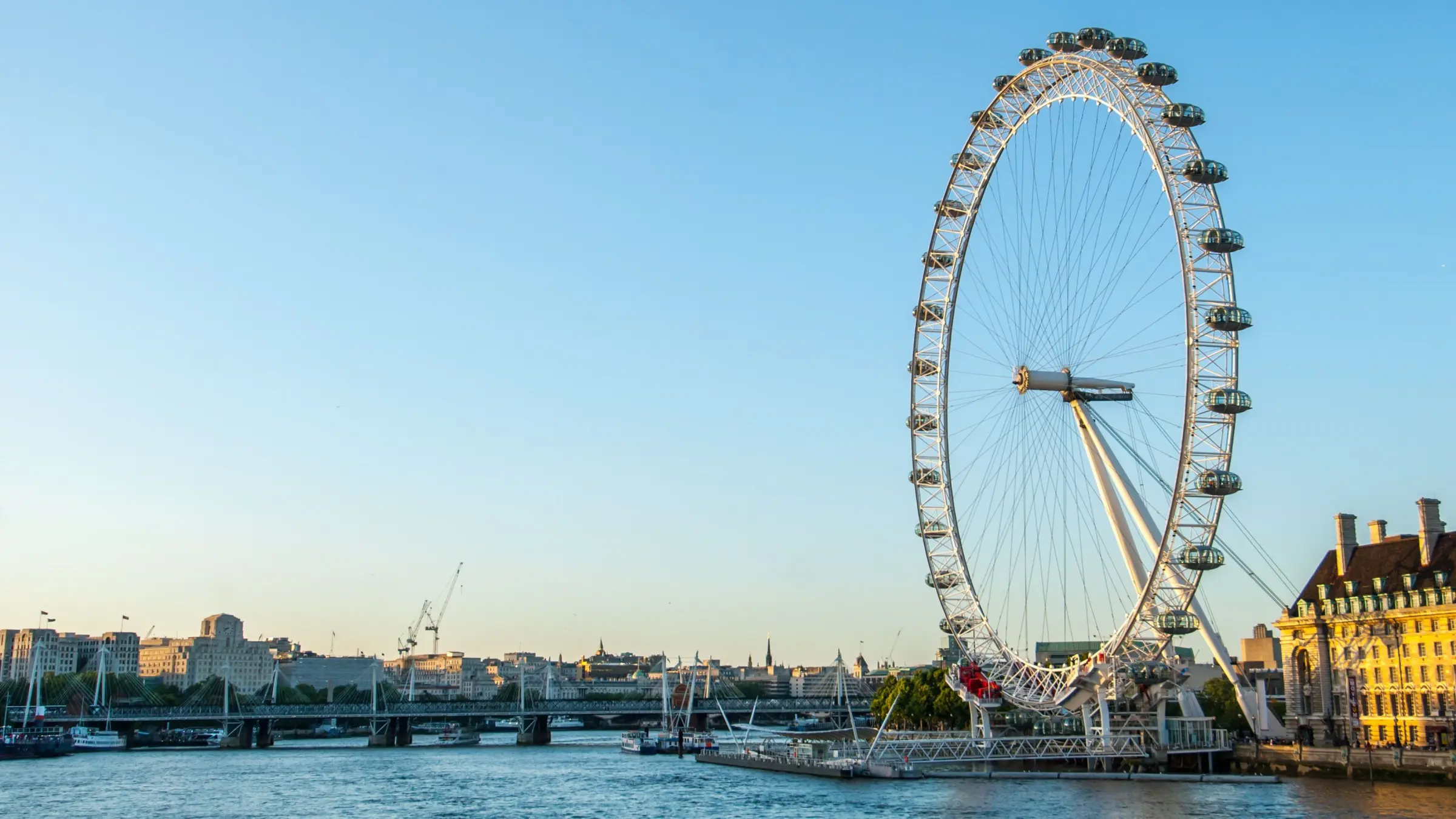
London has a number of viewpoints where you can take in the sprawl of the city. The London Eye is a firm favorite among travelers, particularly as these climate-controlled capsules keep you warm and dry on a drizzly day.
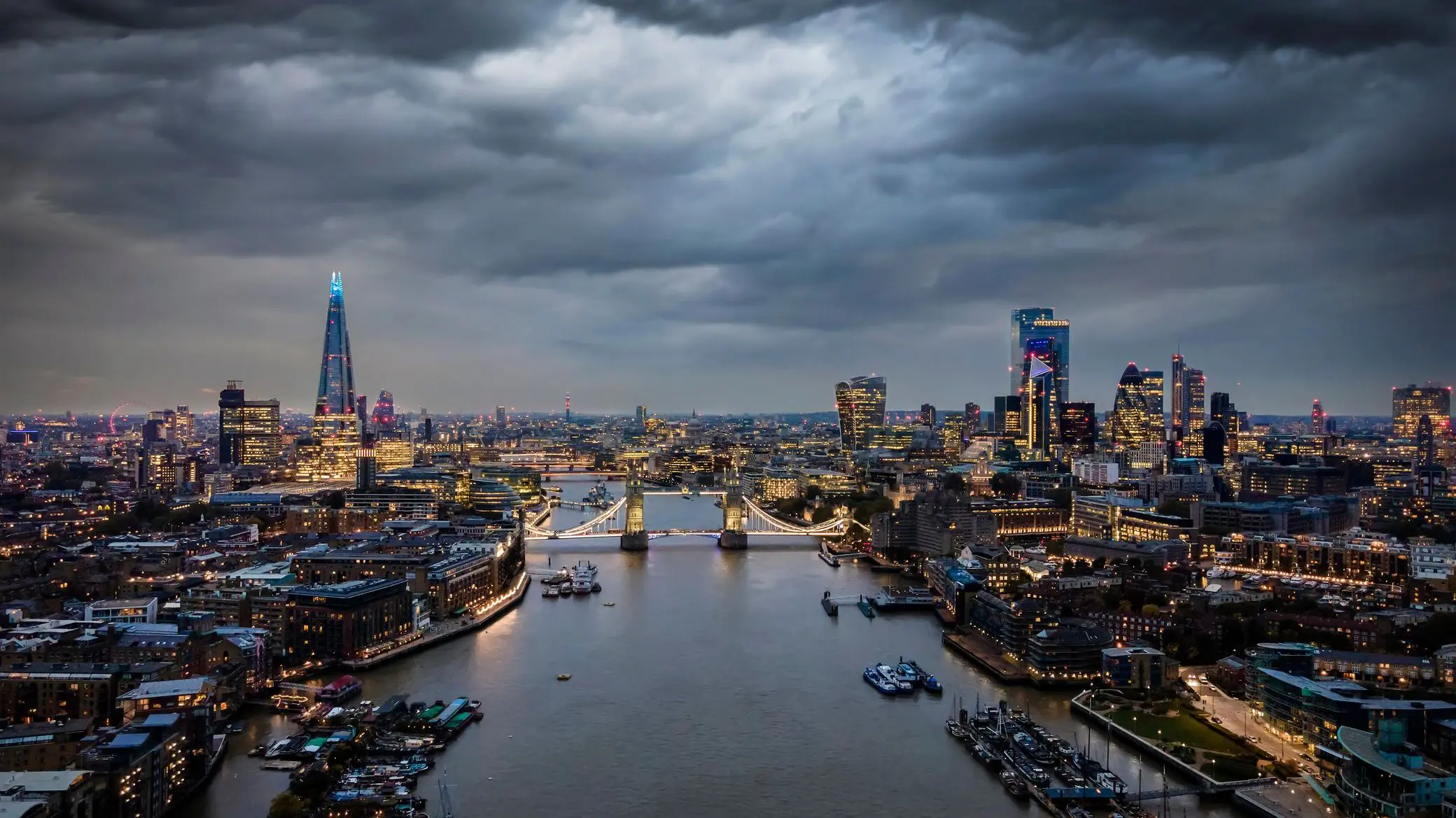
Each rotation takes around 30 minutes, offering the best views of the Houses of Parliament and Big Ben, Westminster Abbey, Buckingham Palace, the Tower of London, and the Shard.
The Shard itself is another contender for taking in panoramic city views. The tallest building in the capital has viewing platforms on floors 68, 69, and 72, as well as from the restaurants.
A relative newcomer, the Battersea Power Station presents 360-degree views from the north-west chimney after a thrilling ride in the glass elevator.
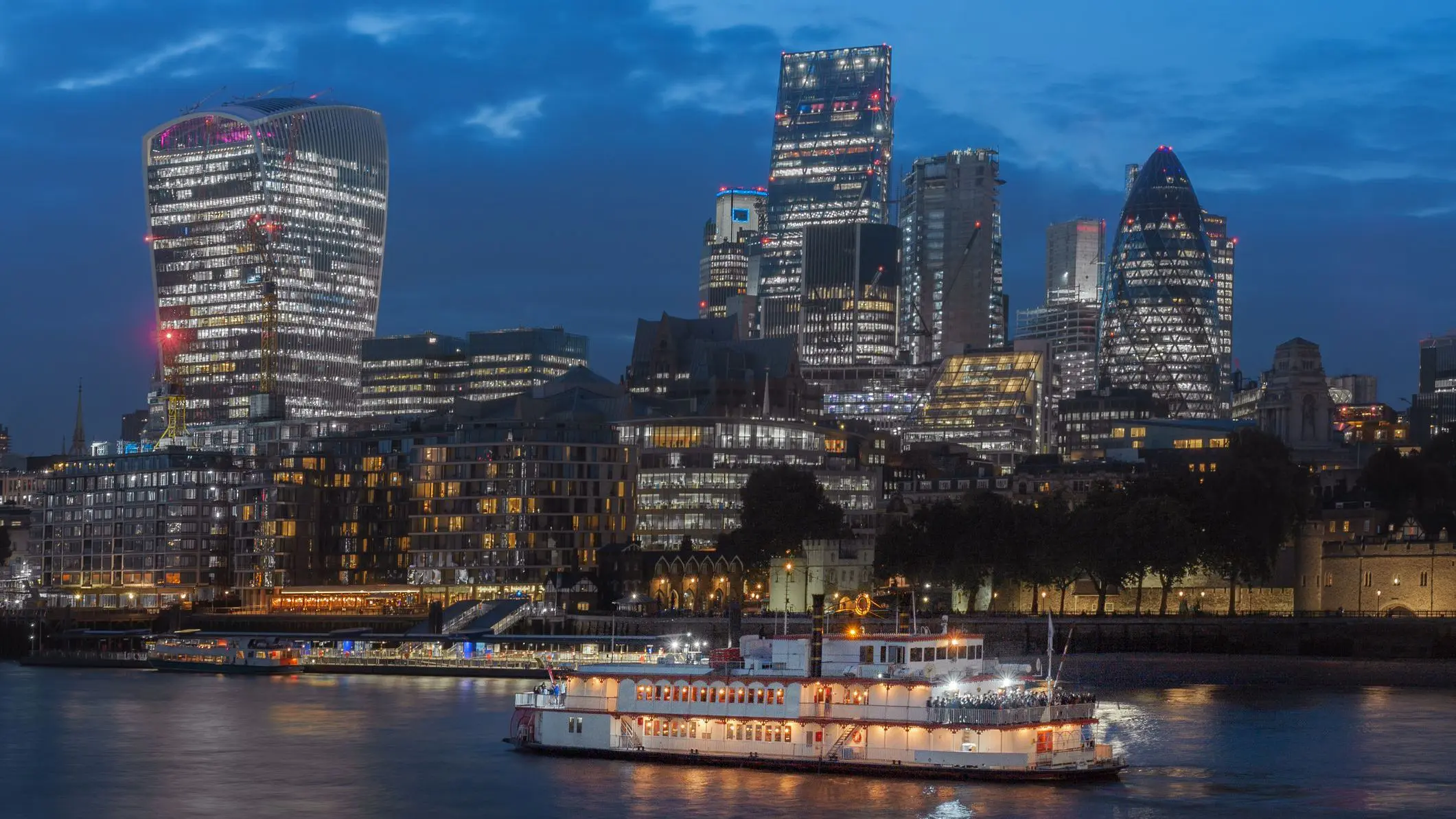
As for free-to-access lookouts, the Sky Garden floats atop the Walkie Talkie skyscraper building in the City of London, granting exceptional views in a beautiful, botanical setting. There is no fee to visit the observation deck and café. However, a timed arrival slot must be reserved well in advance.
Nearby, Horizon 22 now stands at the highest public viewpoint in London. Although the building itself is pipped to the post by The Shard, the observatory at this skyscraper is a touch higher, and you get a fantastic perspective of its rival.
16. Discover Suburban London at Richmond & Kew Gardens
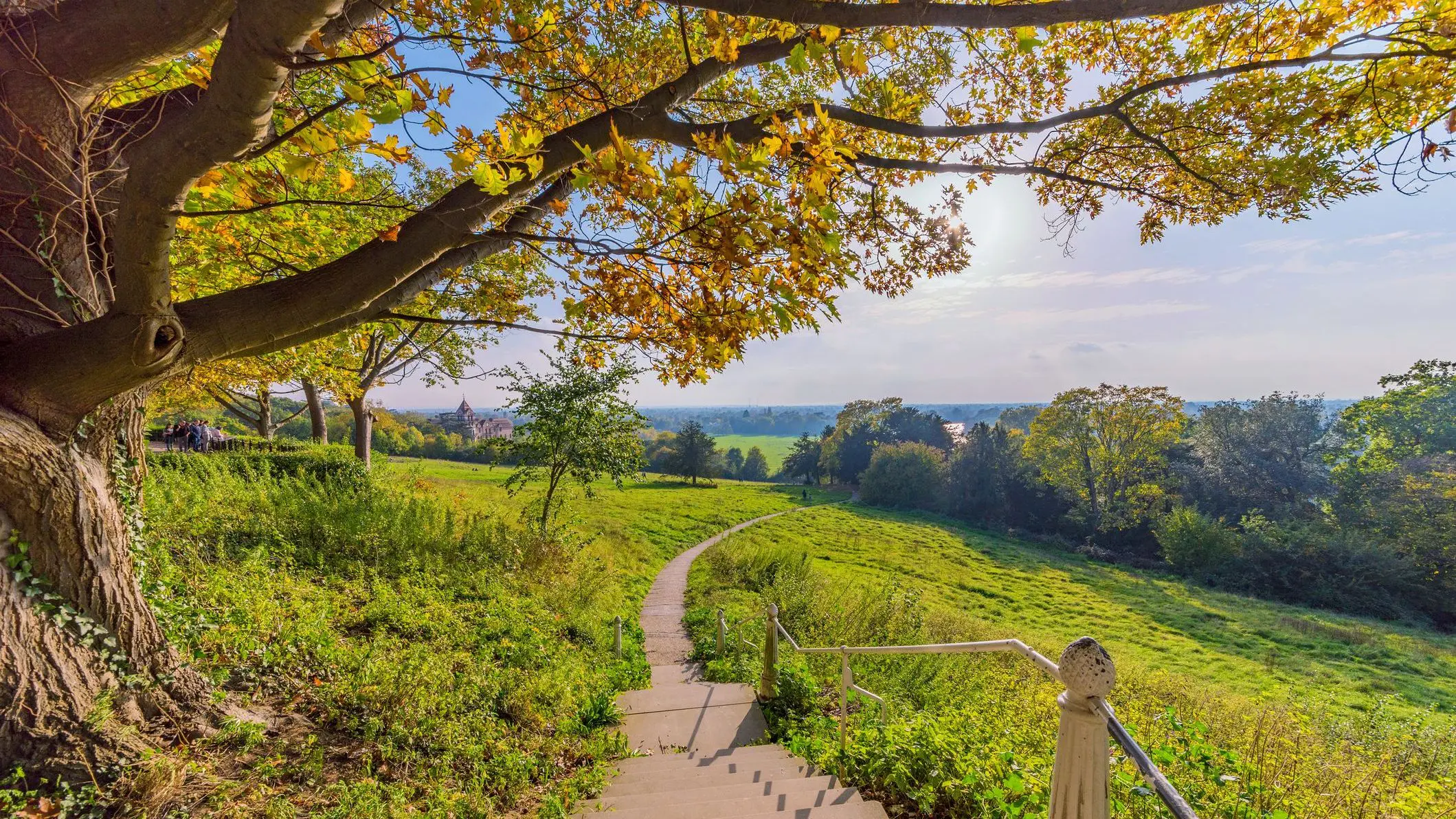
Richmond and Kew are two leafy, affluent districts in southwest London. Either makes for a pleasant outing from the city, and they may be visited in tandem on the same day or independently.
Head to Richmond for a riverside stroll to Ham House and Garden or a walk through the vast Richmond Park. There are a number of fine dining bistros and gastropubs, as well as independent boutiques.
Kew is home to the Royal Botanic Gardens, one of the largest collections of plant species in the world. The complex features Victorian glasshouses, a Chinese pagoda, a canopy walkway, and landscaped gardens aplenty with seasonal displays of trees and flora from around the globe.
There is no bad time to visit. In fact, the annual festive light installation makes winter just as attractive as summer when the roses are in bloom.
17. Hunt For Ghosts at Hampton Court Palace
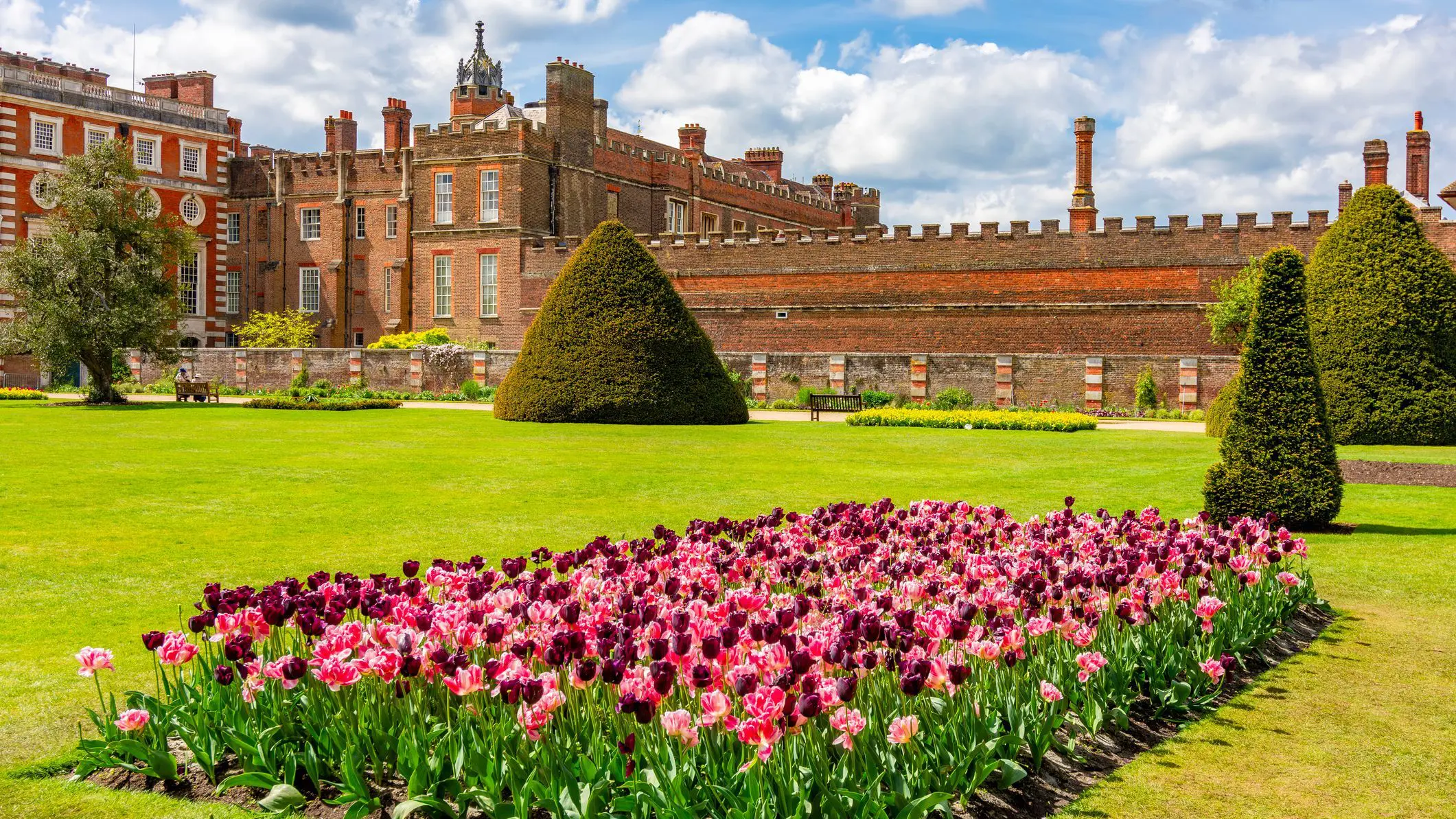
A touch further out than Richmond and Kew, Hampton Court Palace is the former residence of King Henry VIII.
It was originally built for Cardinal Thomas Wolsey, but after England’s most famous king took a shine to the estate, he claimed it for himself. All six wives lived at Hampton Court Palace over the years, and the exhibitions divulge how life would have been.
You’ll see magnificent Tudor features, such as the Great Hall, its historic kitchens, and formal gardens, including the Great Vine and the world-renowned Hampton Court Maze. It’s supposedly riddled with spooks, which turns any visit into a ghost hunt.
The palace runs a lively programme of special and seasonal events, with activities for all ages and interests. It’s a fantastic place to take the kids over Easter, Christmas, or summer.
18. Take in Leadenhall Market’s Architecture
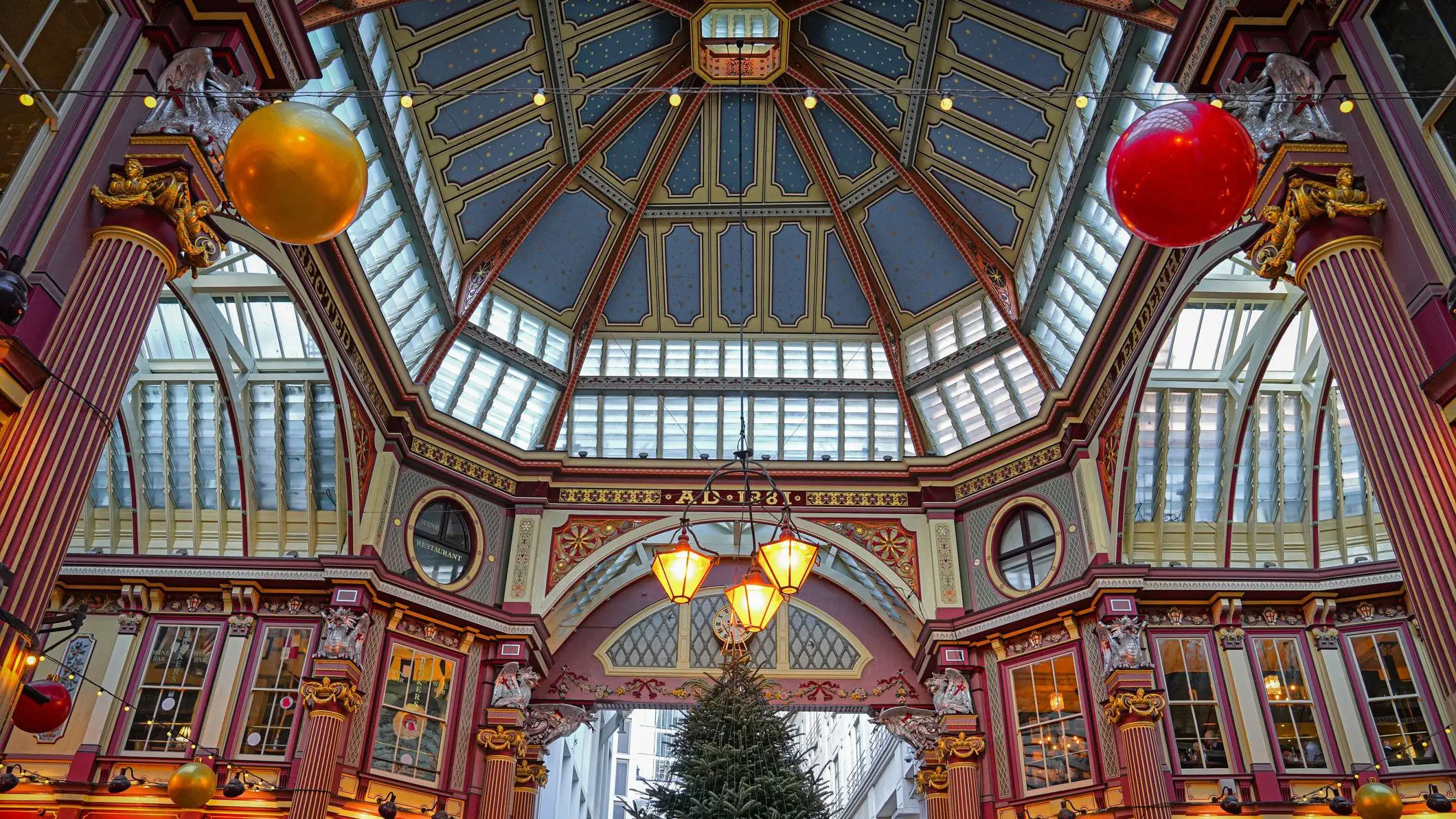
Leadenhall Market is one of the most photogenic attractions in the City of London. This market dates back to the 14th century, although the ornate architecture wasn’t completed until the late 19th century. Further modifications and restoration were undertaken in 1990.
The market contains several bistros and taverns, which are open for lunch and dinner, and cafés selling breakfast pastries and coffee. It’s worth visiting the market earlier in the day to take photos of the arcades before the lunch and post-work crowds arrive.
19. Get To Know The River Thames On Foot or By Boat
A typical London itinerary will have you hopping between the north and south banks of the River Thames. The beauty of this vast waterway can also be explored through sailing activities and strolls.
The stretch between the Palace of Westminster and Tower Bridge is particularly scenic for walking. This 2.5-mile route takes around an hour to walk at a moderate pace without stopping.
However, you would want to allow extra time for taking photos and visiting attractions. These include the London Eye, Tate Modern, Shakespeare’s Globe Theater, Borough Market, the Clink Prison Museum, and HMS Belfast.
As for getting out on the water, sightseeing tours, boat rides, and dining cruises depart from Westminster Pier, Tower Pier, and London Eye Pier.
Uber Boat by Thames Clippers is a commuter service, stopping at all major piers. It is also possible to go night kayaking on the River Thames or get an adrenaline rush with a RIB experience.
20. Partake in The British Pub Experience
London is brimming with pubs where locals congregate for a post-work debrief over a pint. The most historic pubs feature cozy wood-paneled bars and memorabilia from bygone days, while modern gastropubs focus on dining and craft brews.
Some of the oldest pubs include The White Hart (Drury Lane), The Prospect of Whitby (Wapping), Ye Olde Cheshire Cheese (Fleet Street), and The George Inn (Southwark).
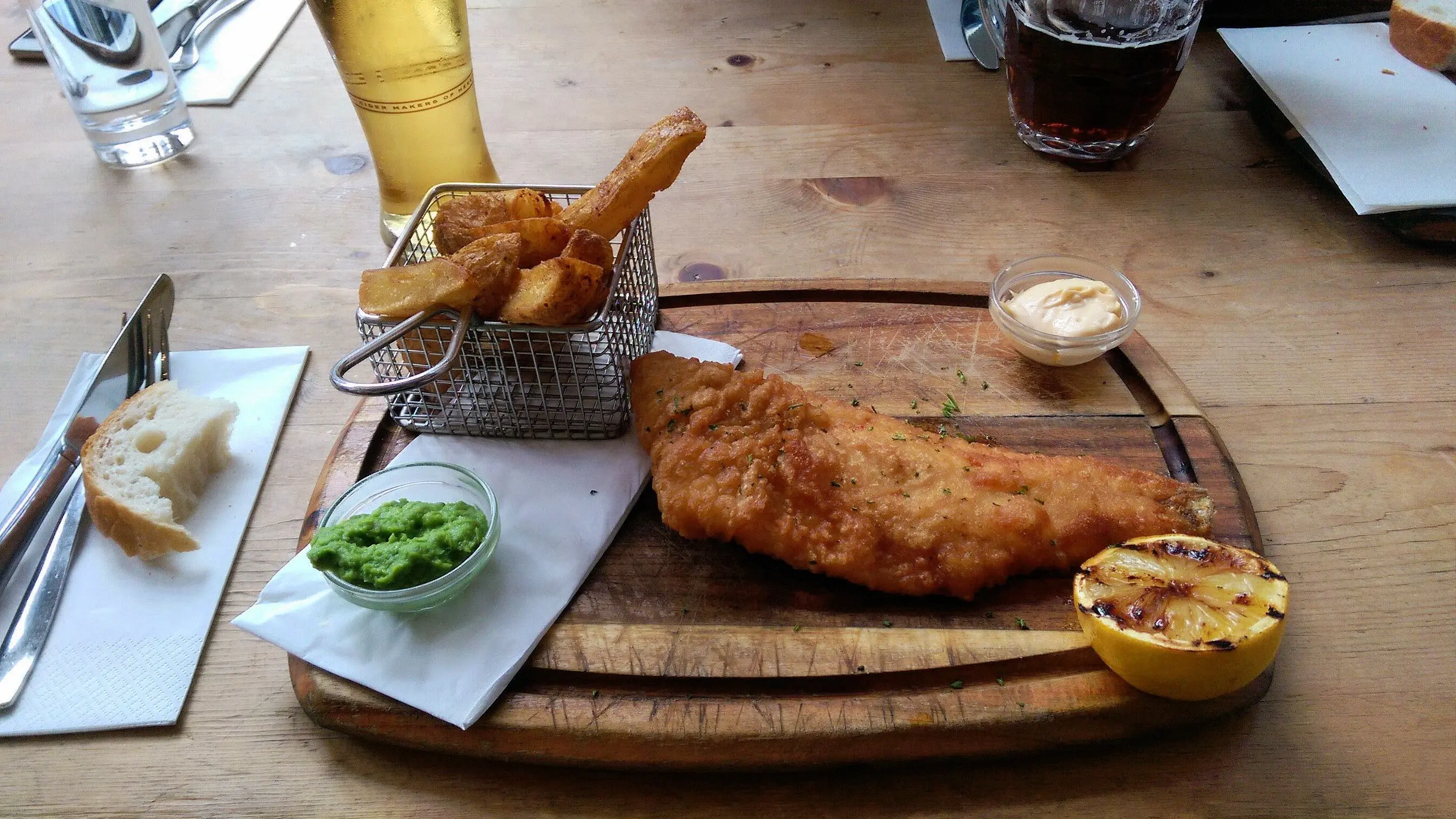
It’s worth noting that not all pubs serve food. However, those that do tend to focus on classic British dishes such as pie and mash, fish and chips, shepherd’s pie, and ploughman’s lunch. Roast dinners with all the trimmings are available on Sundays at select pubs.
Unlike in restaurants, where drinks are part of the table service, pub punters are expected to place their order and make the payment at the bar before grabbing a perch or even finding a spot on the street outside.
21. Get Your Hands Dirty at a City Farm
Get a taste of the English countryside at one of London’s micro farms. These urban smallholdings are located in Vauxhall, Hackney, Stepney, Surrey Docks, Kentish Town, and Mudchute.
Besides meeting the resident chickens, donkeys, pigs, and goats, you can purchase homegrown produce or, with the exception of Vauxhall City Farm, which only has a snack kiosk, grab a free-range brunch at the on-site café.
These city farms also host educational talks and special events from time to time, such as live music or pop-up markets, most typically during summer or in the countdown to Christmas. Anyone is welcome at London’s urban farms, although this ranks as one of the best activities for families with young kids.
22. Find Your Next Read at an Independent Bookshop
London is known for its luxury department stores and fashion boutiques, but its thriving literary scene, rooted in independent and second-hand bookshops, deserves special attention. Old-worldy emporiums on Charing Cross Road and Cecil Street stock preloved books, first editions, rare tomes, and antiquarian maps.
Daunt Marylebone, part of a small bookstore chain, is the most beautiful bookshop in London, with an excellent travel department. It’s often possible to find signed copies at Daunts, and also at Hatchards of Piccadilly, said to be the country’s oldest bookshop.
If you want to really push the boat out on your search for a new book, head to Word on the Water. This floating bookshop stocks second-hand books on a barge docked on Regent’s Canal.
Keep an eye out for independent bookstores as you make your way around the city’s neighborhoods, such as South Kensington Books, Primrose Hill Books, and Hampstead’s West End Lane Books.

23. Take a Day Trip From London
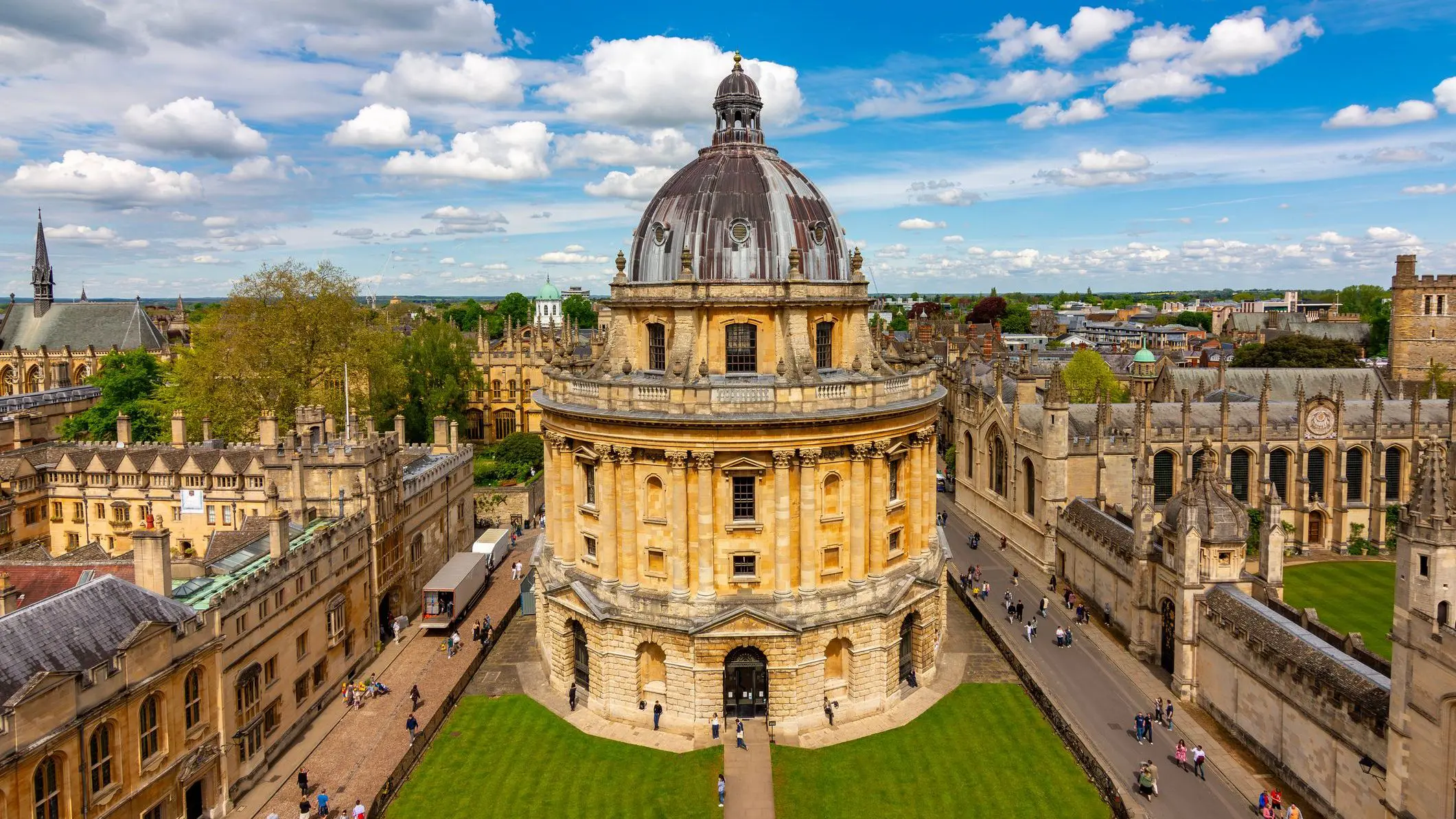
London’s world-class transportation links make it a convenient base for seeing more of England on day trips by train. The university cities of Cambridge and Oxford are popular choices, with a day in either allowing sufficient time to visit academic landmarks and museums or take a river punting tour.
Brighton is a classic contender for those seeking a taste of the British seaside. This youthful coastal city in East Sussex has a pier dedicated to amusements, rides, and traditional confectionery, and a shopping zone committed to supporting artists.
Margate, a Kent resort with sandy beaches and a vintage amusement park, is a quieter alternative to Brighton. This city exhibits world-class art at the Turner Contemporary Gallery.
Bath and Bristol are also accessible on a day trip from London. The former impresses with its Georgian-era crescents made from local stone and its beautifully preserved Roman Baths. The Jane Austen Center celebrates the life and legacy of Bath’s most famous resident.
On the other hand, Bristol is a must-visit for Banksy fans and food-motivated travelers. The city is alive with independent cafés, brewpubs, and markets celebrating regional dishes.
24. Treat Yourself To Afternoon Tea
Afternoon tea is a refined way to while away a few hours in London and recover from a busy itinerary. The traditional serving sees an assortment of finger sandwiches, scones with clotted cream and preserves, cakes, and loose-leaf tea.
A glass of Champagne or Prosecco is often added, and restaurants tend to create special menus around peak celebrations of Easter and Christmas.
The most lavish afternoon tea experiences are hosted in London’s five-star hotels, particularly around Mayfair. However, smaller tea rooms and cafés also offer this service in a more casual environment.

25. Check Out Seasonal Events & Pop-Ups
London has a thriving events programme year-round. Summer sees the likes of the Notting Hill Carnival, BBC Proms, Hampton Court Palace Festival, London Pride, and the Southbank Center Summer Series.
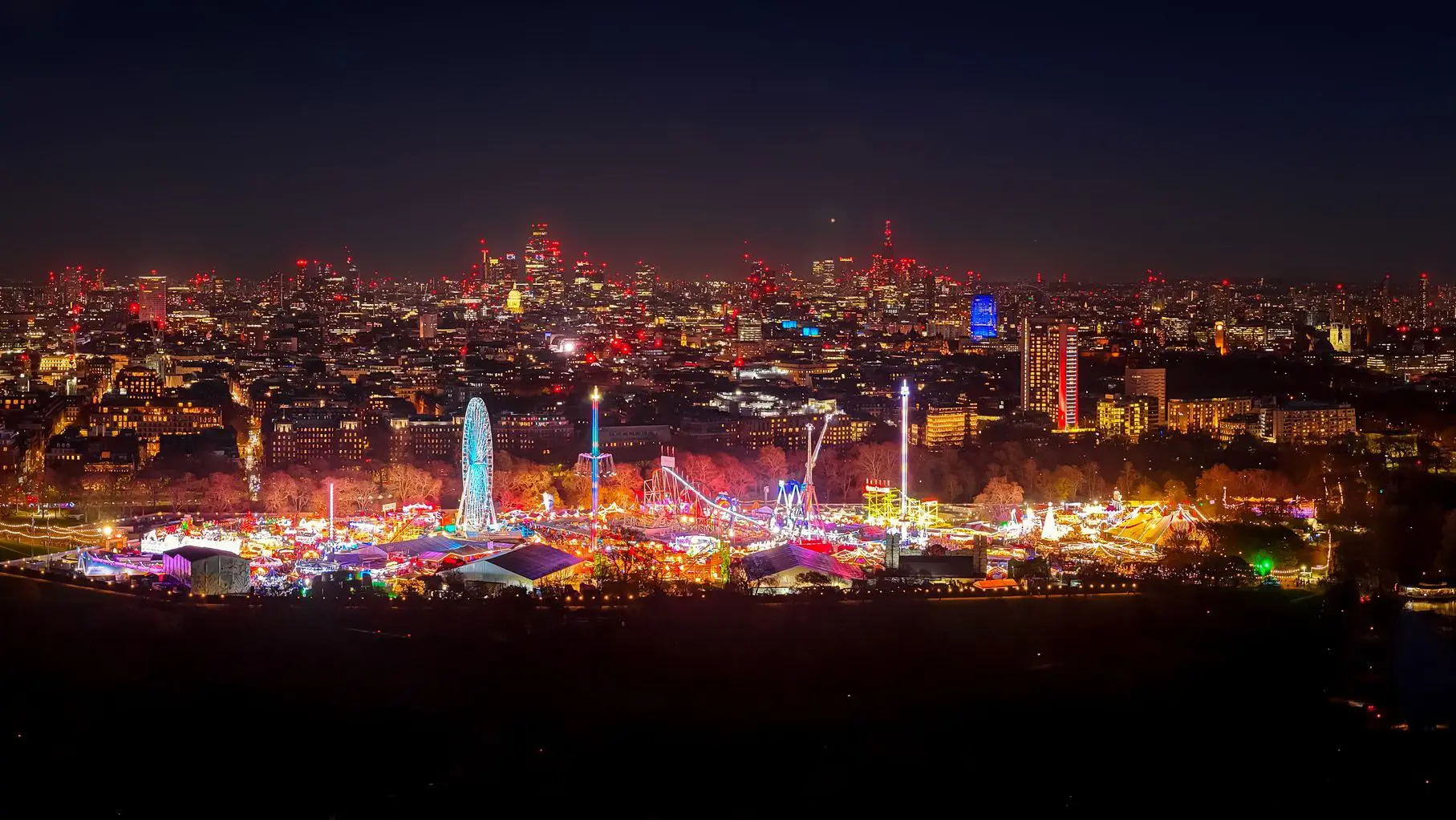
Winter, specifically the weeks leading up to Christmas, sees German-style yuletide markets open up across the city, banishing the chill through mulled wine and bratwurst. Some of the most well-known among them include Hyde Park’s Winter Wonderland and those in Covent Garden and the Southbank.
The shoulder seasons are the domain of pop-up food festivals, film and music festivals, and other cultural happenings.
Enjoy London Without The Logistics
After reading our thorough guide on what to do in London for first-timers, it should be clear that the British capital city has no shortage of fantastic things to see and do.
Yet, planning a trip to this shining metropolis isn’t always easy, especially if it’s your first visit to the city. But there’s nothing to worry about, as that’s where our expert JayWay team comes in.
From booking tickets for the most popular West End shows to reserving a spot in the most exciting tours and fascinating day trips for you, our trip planners and knowledgeable staff on the ground will make sure your London itinerary is seamless and, above all, unforgettable.
So, now that you know what to do in London, reach out and let us handle everything else!

Born and raised in Athens, Maria’s passionate about travel and storytelling, a combination that makes her ideal for her role as our content manager.







