



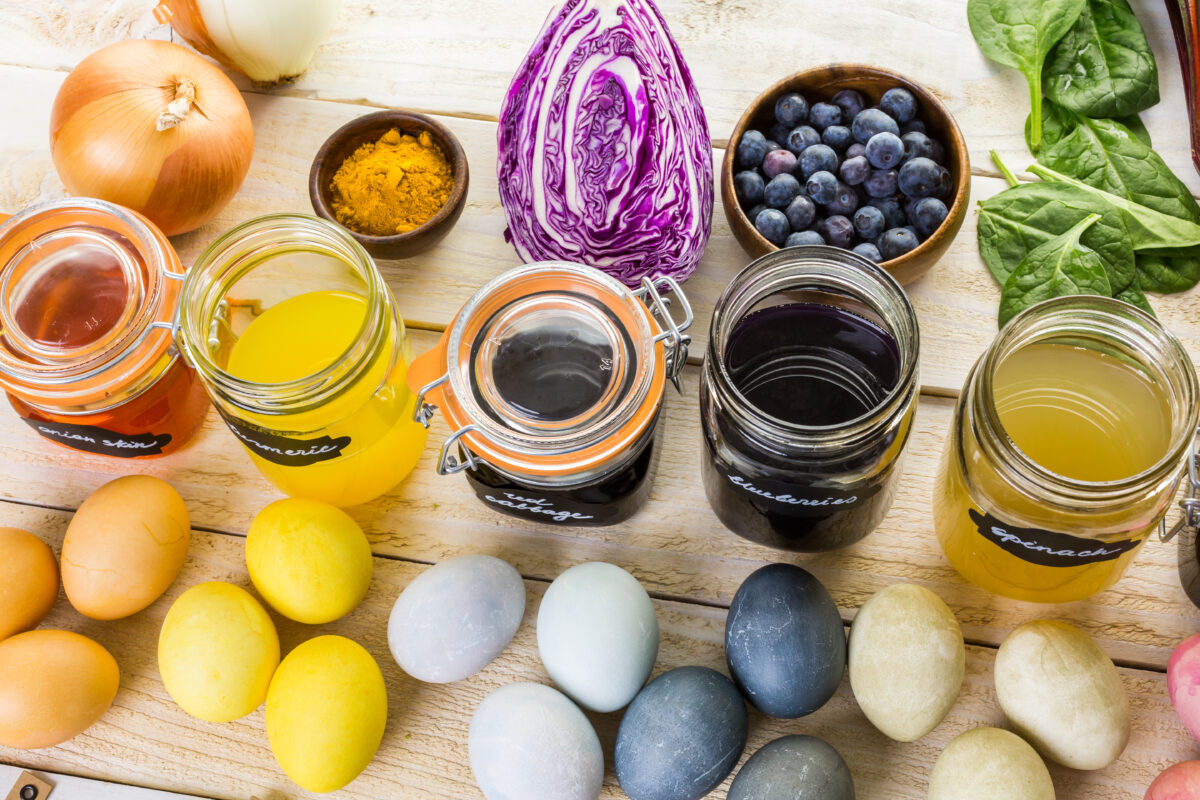
Learning how to dye eggs naturally is a fun and creative way to celebrate spring or Easter while avoiding artificial food coloring. Using everyday ingredients like purple cabbage, onion skins, blueberries, turmeric, beets, and spinach, you can create beautiful, soft pastel and earth-colored eggs with simple kitchen ingredients. Whether you’re decorating eggs for an Easter basket, a spring celebration, or simply enjoying a creative afternoon in the kitchen, these natural dyes are easy, safe, and incredibly vibrant.

Why are eggs naturally dyed?
Natural egg dyeing has been practiced for centuries using plant-based ingredients. In addition to providing beautiful color, it offers many benefits to your family.
Natural egg dyeing is also a great hands-on learning activity for kids. Transforming simple ingredients into colorful works of art while introducing you to food science, plant pigments, and sustainable traditions.
Why Families Love Natural Egg Dye:
- use safe kitchen ingredients
- Avoid artificial food coloring
- Teach children to: plants and science
- encourage Sustainable and low-waste activities
- Creates unique, organic colors.
Every egg is a little different, which makes the process even more magical for kids.

Ingredients of Natural Egg Dye:
You only need a few ingredients to make each dye bath.
basic ingredients
- White eggs (for brighter colors)
- water
- white vinegar
Natural dye ingredients
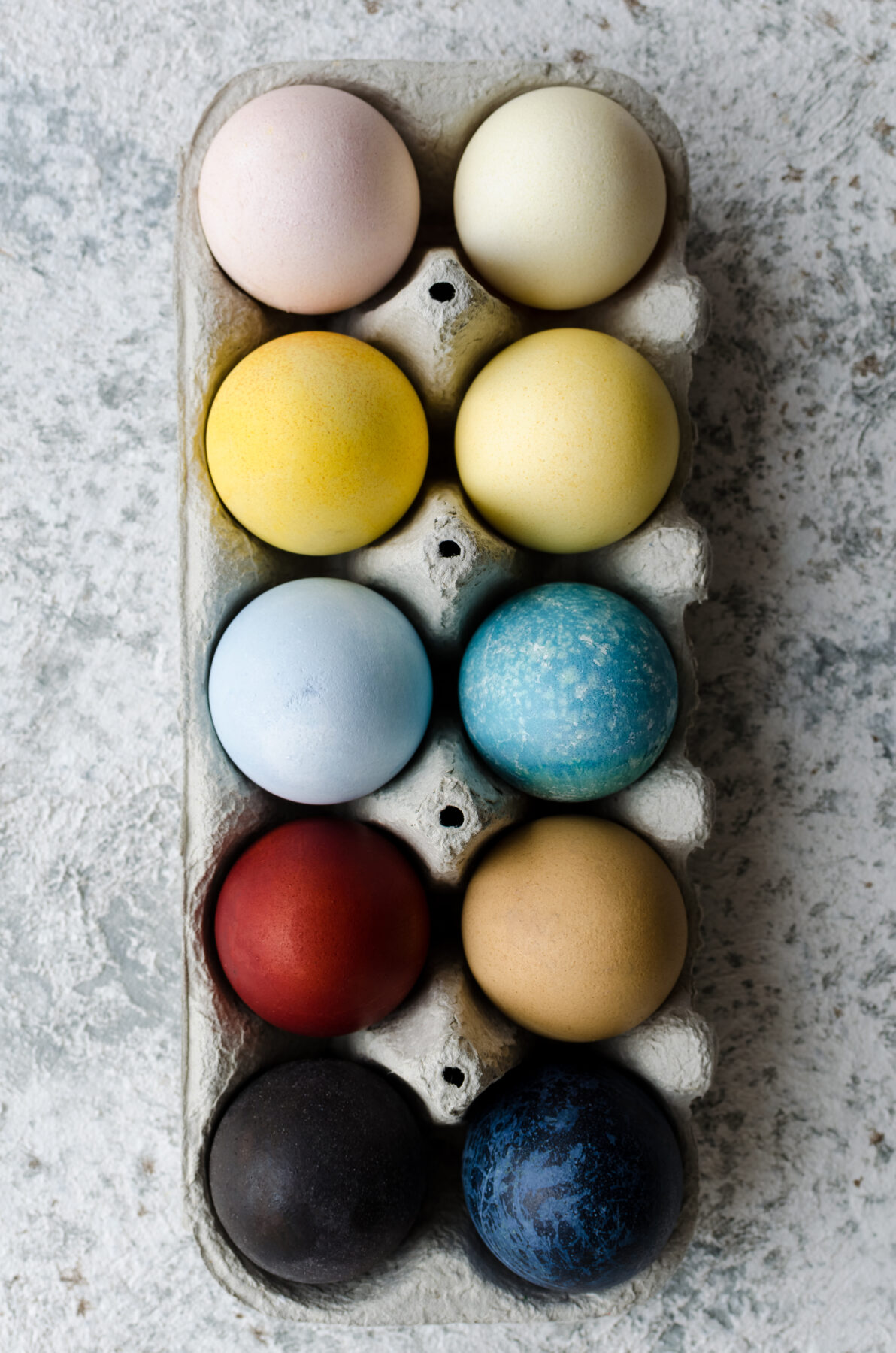
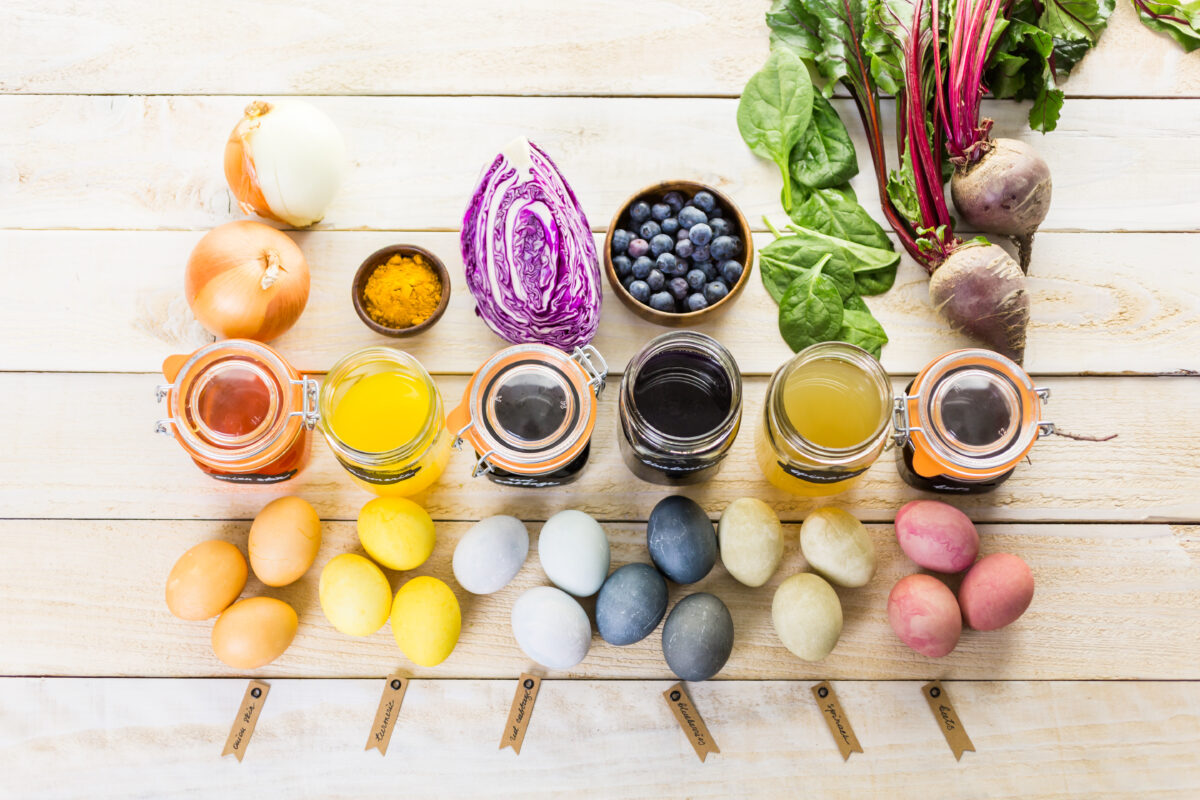
| ingredient | colors produced |
|---|---|
| purple cabbage | From blue to turquoise |
| onion skin | From orange to rusty brown |
| blueberry | soft lavender |
| sugar beet | From pink to rosy red |
| turmeric | bright yellow |
| spinach | pale green |


How to Make Natural Egg Dye
Step 1: Boil the eggs until hard boiled.
Place the eggs in a saucepan and cover with water.
Once boiling, reduce heat and simmer for 10 minutes.
Transfer the eggs to cold water and let them cool completely.
Step 2: Prepare your natural dye bath.
For each color:
- add 2 cups of water and about 1 cup of dye ingredient In a small pot.
- Bring to a gentle boil.
- Boil 15-20 minutes Until the water becomes dark colored.
- Strain the liquid into a bowl or bottle.
- Please stir 1 tablespoon vinegar Help the color stick to the egg.


Natural Egg Dye Color Guide
Purple Cabbage (Blue Eggs)
Chopped purple cabbage produces beautiful blue or turquoise eggs.
How to use:
- Chop about 2 cups of cabbage.
- Boil in water for 20 minutes.
- Strain and add vinegar.
The longer you soak the eggs, the deeper the blue will be.
Onion peel (orange and brown eggs)
Onion skin adds warmth. Rusty orange and golden brown shades.
How to use:
- Save the outer skin of the yellow onion.
- Boil for 20 minutes.
- Strain and add vinegar.
This dye creates particularly rich earthy tones.
Blueberry (Lavender Egg)
Blueberries are soft Lavender or gray-purple tones.
How to use:
- Mash 1 cup of blueberries.
- Boil in water for 15 minutes.
- Strain and add vinegar.
For a deeper color, soak the eggs overnight.
Beets (pink eggs)
Sugar beets produce quite a bit pink and rose colored eggs.
How to use:
- Chop 1-2 beets.
- Boil in water for 20 minutes.
- Strain and add vinegar.
Short soaking produces a light pink tone.
Turmeric (bright yellow eggs)
Turmeric is The brightest and most vivid natural dyes.
How to use:
- Add 2 tablespoons of turmeric to the water.
- Boil briefly and then add vinegar.
The eggs turn bright yellow within a few minutes.
Spinach (bright green eggs)
Spinach is made delicately. soft green tones.
How to use:
- Boil fresh spinach leaves in water for 20 minutes.
- Strain and add vinegar.
Spinach dye is lighter but beautiful in pastel colors.


how to dye eggs
Once the dye bath is ready:
- Add the cooled hard-boiled eggs to the dye bath.
- Soak it 30 minutes to several hours.
- For a deeper color, refrigerate the eggs in the dye overnight.
- Take out and dry on a rack or paper towel.
To preserve color, avoid rubbing eggs while wet.
Tips for the Best Natural Egg Color
Use white eggs
Produces a lighter color than brown eggs.
Soak the eggs longer
Natural dyeing deepens over time.
Add vinegar
This helps the pigment bind to the eggshell.
Dry the eggs gently
Wipe instead of wipe to avoid streaks.
add light
Once the eggs are dry, lightly rub them with a little cooking oil.

A fun way to get kids involved
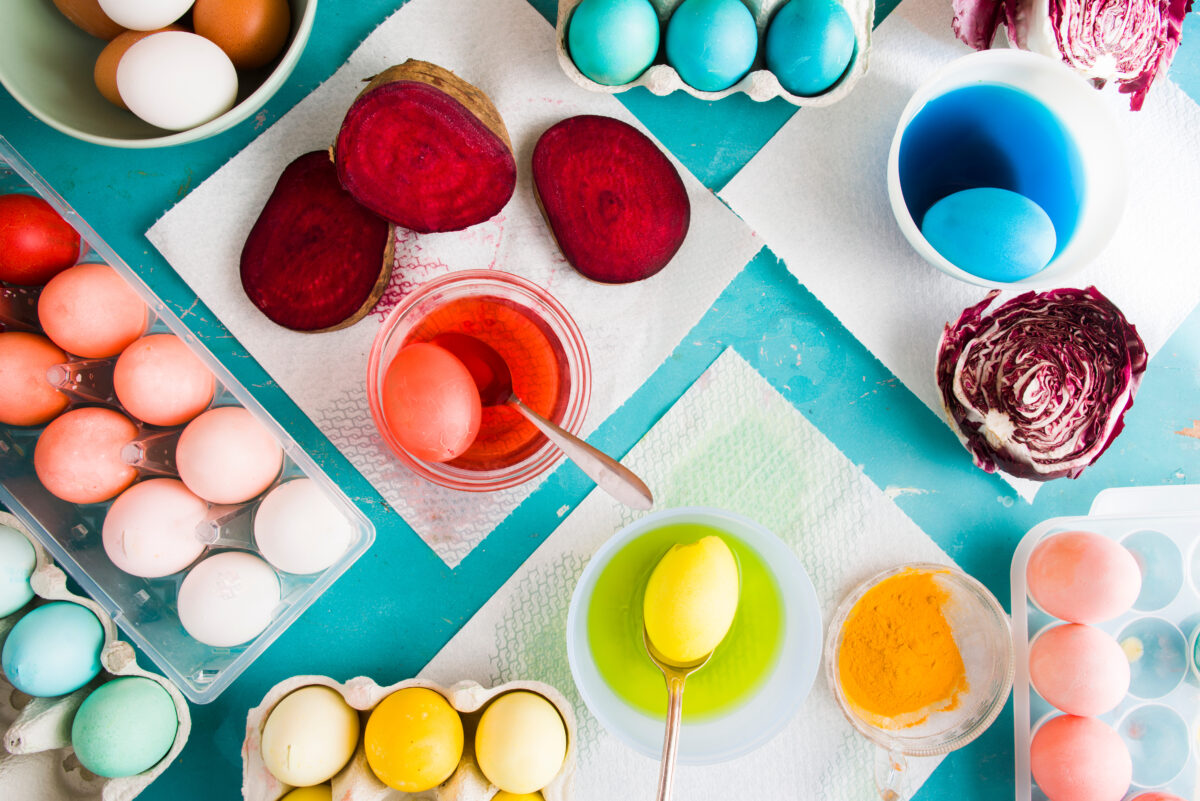
Natural egg dyeing is a great STEM activity for kids.
Children can help:
- wash vegetables
- Ingredient Measurement
- Observation of color change in dye bath
- Put the eggs in the jar
- Predict what colors different plants will produce
You could even turn it into a simple science lesson about plant pigments and chemistry.
creative decoration ideas
Once the eggs are dyed, children can decorate them in the following ways:
- sticker
- rubber band pattern
- Leaves or flowers for natural prints
- wax resistance design
Each egg is unique and handcrafted.
Natural egg dyeing is a beautiful reminder that simple ingredients can create something truly special. Using the fruits, vegetables, and spices you have in your kitchen, you can not only create vibrant spring decorations, but also give kids the opportunity to explore creativity, science, and sustainability all at the same time. Whether you’re celebrating Easter or enjoying a seasonal family activity, naturally dyed eggs turn everyday kitchen experiments into memorable traditions. The best part is that every egg comes out a little different. The process feels as magical as the end result.


